

In Traditional Chinese Medicine (TCM), the scalp is considered more than the foundation for your hair; it is a living reflection of your internal health. Some people may treat hair loss or hair thinning as a cosmetic issue, which they feel can be hidden with hair products or styling. Whereas for TCM, it interprets the changes in hair and scalp as signals of deeper imbalances in Qi (life energy), blood, and organ systems.
A fast-paced life in Singapore can be a major contributing factor to hair loss for women and men. Rising stress levels, insufficient rest, unbalanced diet + unhealthy lifestyle habits (such as: smoking, excessive alcohol consumption) can elevate cortisol levels + disrupt the hair cycle, which may cause premature hair loss and/or hair thinning.
In fact, lack of sleep and constant stress are two of the most overlooked causes of poor scalp vitality. The effects of sleep deprivation + chronic stress extend beyond fatigue; they may disrupt the body’s repair cycle, which can weaken hair structure, trigger hair loss and/or hair thinning issues. TCM offers a unique perspective, connecting sleep quality, stress relief and scalp care wellness as key elements to a healthy hair growth cycle. By paying attention to what your hair and scalp need early, you can prevent hair loss, promote hair growth and restore scalp balance.
The TCM Perspective: Hair as a Reflection of Inner Health
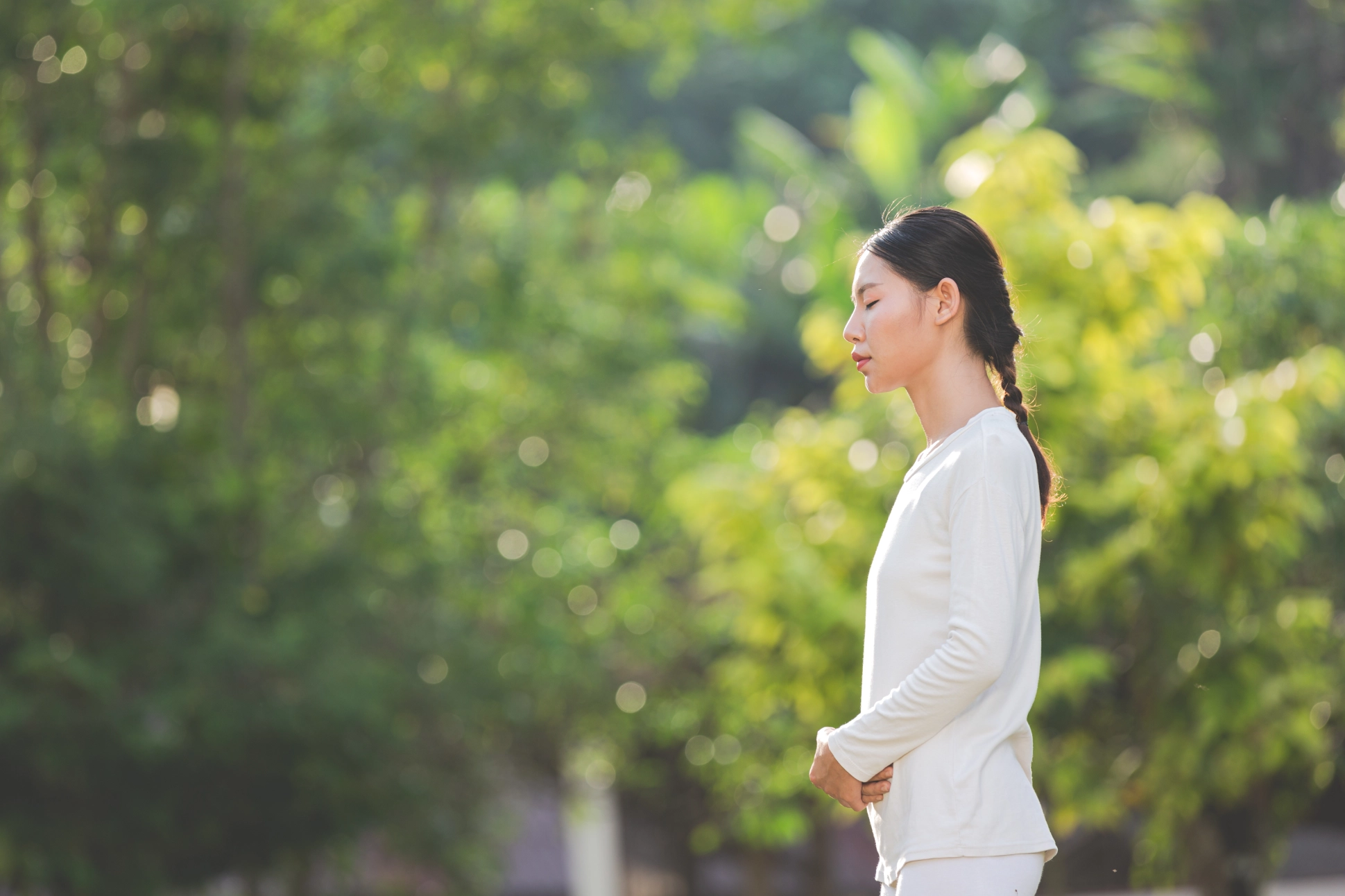
According to TCM, hair is more than a feature of appearance; it is regarded as a direct reflection of your internal health. The condition of your hair and scalp is closely linked to the state of your blood, Qi (vital energy), liver and kidney. Therefore, healthy circulation is important for delivering oxygen and nutrients, to encourage stronger, thicker hair growth and improve scalp health. When environmental, hormonal or nutritional imbalances occur, the hair and scalp can be the first to show signs and valuable insights, while acting as a reflection of your internal health + overall wellness. Blood deficiencies may leave hair follicles undernourished of oxygen and nutrients, causing weak hair that may lead to thinning or shedding.
In addition, poor circulation from stagnant Qi (energy) can also disrupt the delivery of oxygen, nutrients and vitamins.to hair follicles, resulting in delayed hair growth. Kidney essence depletion, often accelerated by chronic stress or the effects of sleep deprivation, may lead to premature greying, brittle strands and hair loss. Even Yin–Yang imbalance can be manifest as excessive dryness, oiliness, irritation or sensitivity.
From a TCM perspective, these external changes serve as signals of deeper disharmony within the body, such as: poor sleep health, elevated stress hormone levels, and poor lifestyle habits can reduce nutrient delivery to the scalp and accelerate the ageing of hair follicles. In other words, the link between overall well-being and scalp health is undeniable. Plus, your hair reflects how well your internal systems are functioning.
By paying close attention to these signs, you can detect disharmony early, preventing it from escalating into more severe conditions. In this way, the scalp acts as a diagnostic map, reminding us that caring for the hair begins with nurturing inner balance.
Common Hair & Scalp Signals in TCM
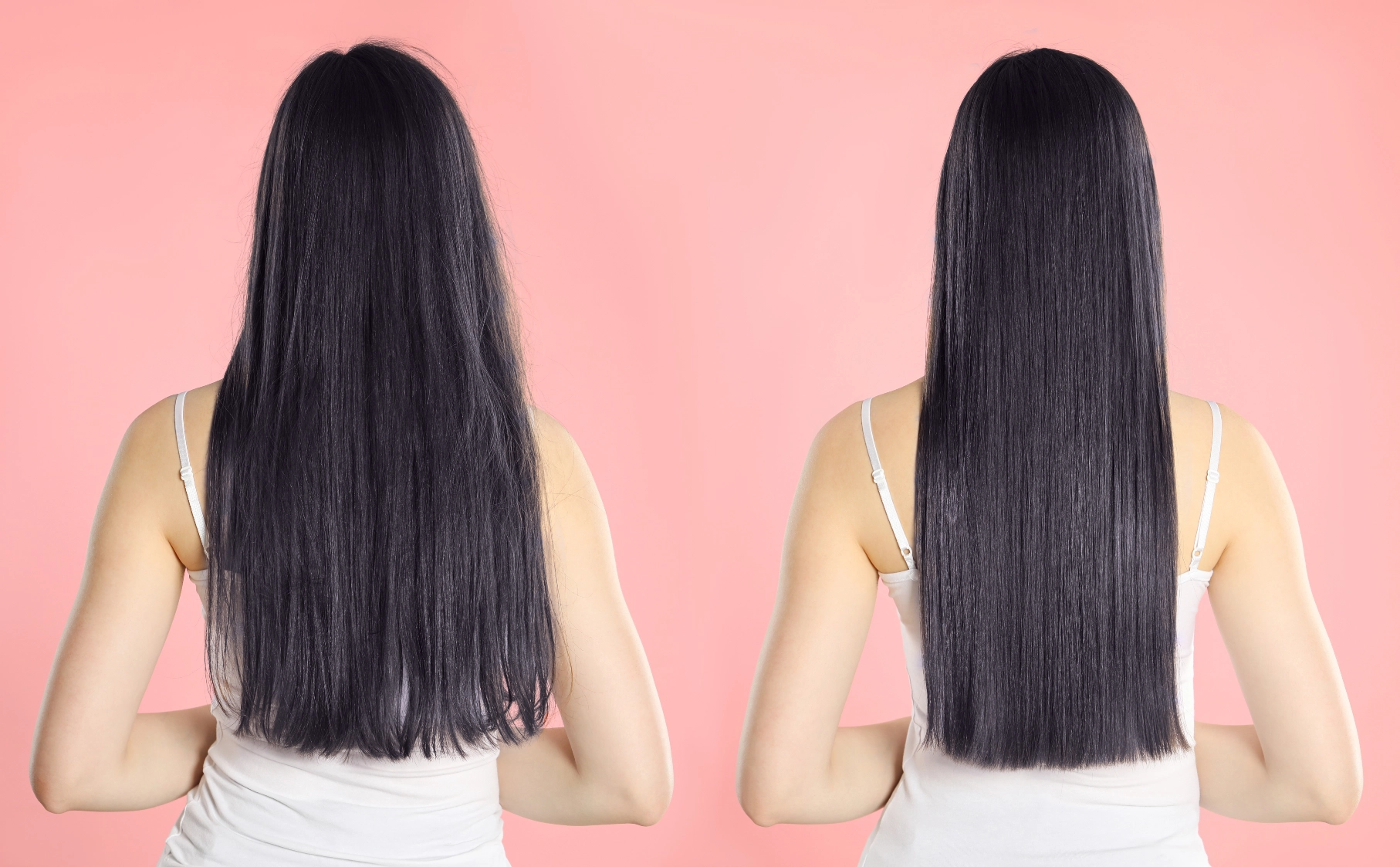
In TCM, the scalp and hair act as indicators of what is happening within your body. Different changes can signal specific imbalances, offering early warnings before deeper health issues may arise. In the following, let's explore the most common signs of hair and scalp issues and their meaning:
Premature Greying
Premature greying in TCM is often linked to kidney energy deficiency or a decline in vital essence (Jing). The kidneys store this essence, which supports resilience and vitality. When it weakens due to stress, overwork, insufficient rest or poor diet and unhealthy lifestyle habits, hair loses pigment earlier than expected among young adults (such as between age 18 and 30), signalling an internal imbalance that needs attention.
Excessive Hair Loss and Hair Thinning
Frequent or heavy shedding may indicate blood deficiency, poor circulation, or stress-induced imbalance. In many cases, chronic poor sleep may worsen the condition, showing the close link between hair loss and insomnia. Without adequate nourishment, follicles may weaken, hair thinning and/or hair loss may occur too.
油性头皮
An oily scalp in TCM suggests internal dampness and heat accumulating within the body. This imbalance may restrict oxygen flow, clog hair follicles, and can make hair look limp or greasy. If left untreated, excess sebum on the scalp can weaken root stability, causing undesirable conditions, such as: itching, irritation, inflammation, dandruff, hair loss and/or hair thinning.
Dry, Brittle Hair
Brittle, lacklustre hair reflects yin deficiency and insufficient nourishment reaching the scalp. This deficiency leaves hair vulnerable to thinning, breakage, frizz, and dullness. In TCM, such dryness often points to deeper imbalances, lacking of nourishing blood or kidney energy. Addressing it requires nourishing yin and strengthening roots with herbs, diet, and rest.
Dandruff and Itchy Scalp
Based on TCM principles, persistent flakes and itching are indications of internal disharmony, that also means Damp Heat (湿热 - Shī Rè) or Wind Heat (风热 - Fēng Rè) are affecting the scalp. These imbalances can irritate, cause inflammation and dryness on the scalp. There is also a connection between sleep quality and scalp conditions, as insufficient rest impairs the body’s ability to repair and scalp recover.
Sleep and Hair Health in TCM
Sleep plays a crucial role in both physical and emotional well-being, and in TCM, it is regarded as a fundamental element of hair vitality. Poor rest disrupts the flow of Qi and the body’s natural restorative process, which can impact hair health. Below, we examine how sleep and hair growth are interconnected from various perspectives.
Can a Lack of Sleep Cause Hair Loss?
Yes, in TCM, restful sleep is essential for replenishing Qi. When you experience sleep deprivation, these Qi reserves weaken, leaving hair roots undernourished. Over time, hair follicles lose strength, resulting in thinning and slower regrowth. Restoring sleep quality is crucial to maintain scalp vitality and support healthy hair growth.
How Insomnia and Poor Sleep Lead to Hair Loss
The relationship between hair loss and insomnia can form a vicious cycle. Stress or hormonal imbalance often leads to a lack of sleep, which can disrupt circulation and accelerates hair shedding. The visible signs of hair thinning may trigger greater anxiety, further disturbing rest. Lack of sleep can also weaken Qi in TCM, leaving hair follicles undernourished and fragile. Since restful sleep is vital for restoring balance, TCM therapies focus on calming the mind, improving rest quality, and improving hair and scalp health.
How Your Sleep Supports Circulation and Nourishment
Deep sleep enhances blood flow and oxygen delivery to the scalp, providing hair follicles with the nutrients needed for healthy hair growth. A lack of sleep can contribute to hair loss.. Prioritising rest is a natural and powerful way to improve hair and scalp health over time.
Stress Hormones, Circadian Rhythm, Sleep and Hair Growth
Disrupted circadian rhythms and high cortisol levels impair scalp function. Stress hormones can trigger inflammation and restrict circulation, weakening roots. Aligning sleep patterns with natural body rhythms supports both physical and emotional balance, highlighting the strong connection between sleep and hair growth.
Without proper sleep, even the best external treatments may deliver limited results, as the body lacks the foundation to sustain healthy hair.
Supporting Hair Health with TCM Approaches
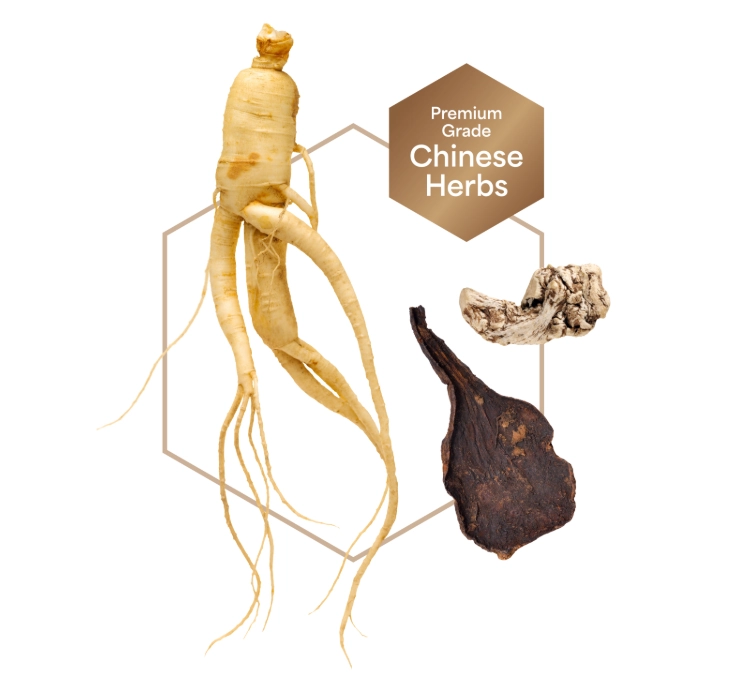
TCM offers a comprehensive toolkit for restoring balance and promoting scalp vitality. From targeted herbs to mindful lifestyle practices, these approaches work together to address both internal and external imbalances. The following are the key methods in TCM supporting stronger, healthier hair.
Herbal Remedies
In TCM, herbs are central to restoring balance and promoting hair vitality, such as:
- Ginseng helps to increase scalp circulation, promotes growth and reduces hair thinning.
- He Shou Wu helps to prevent premature greying and supports hair growth.
- Dang Gui helps to strengthen hair roots and balance scalp health.
Together, these three premium TCM herbs for hair can help to calm the mind, reduce stress, and fortify the scalp.
Acupressure and Meridian Head Massage
Acupressure and head massage on the meridian points help to release head tension, improve Qi flow, and boost circulation to the scalp. With these TCM methods, hair follicles can receive the oxygen and nutrients needed for stronger hair growth. Beyond physical benefits, these therapies are deeply relaxing, providing natural TCM stress relief while reducing stress-related hair shedding and promoting a healthier scalp environment.
Food Therapy
Diet is viewed as medicine in TCM, with nutrient-dense foods chosen to rebalance the body. Black sesame seeds, walnuts, and red dates are recommended for strengthening hair roots and improving blood quality. Leafy greens nourish the liver, while whole grains stabilise mood and energy. Together, these foods address both emotional balance and scalp nourishment.
Lifestyle Practices
A balanced lifestyle is essential for sustaining results. TCM encourages mindfulness, breathing exercises, and restful routines to regulate stress and improve sleep. Since sleep and hair loss are closely linked, these practices support both inner peace and scalp vitality. Over time, a calm mind combined with healthier daily habits strengthens hair resilience.
Why a Personalised Consultation Matters
While general signs can be insightful, every scalp is unique. No two people experience hair changes in the same way, which is why a personalised approach is essential for meaningful results. In TCM, even the same symptom, such as hair shedding, may stem from completely different causes, from blood deficiency to kidney essence depletion, or simply the effects of sleep deprivation.
A personal one-on-one consultation at Beijing 101 begins with a detailed scalp analysis scan analysis, ensuring that each treatment plan targets not only the visible symptoms but also the underlying causes of imbalance. By addressing both external concerns and root issues, our consultations deliver more than just temporary relief; they also provide solutions that improve scalp conditions and promote healthy hair. This tailored approach empowers customers to rebuild confidence while also supporting overall wellness, making hair care a truly holistic journey.
In TCM, Inner Balance Is Reflected in Your Hair

As per TCM, your hair and scalp are powerful indicators of your internal health. From premature greying to excessive shedding, these signs often indicate deeper imbalances. By focusing on sleep quality and scalp wellness and addressing the link between hair loss and insomnia, you can prevent long-term issues while nurturing both body and mind.
Book a consultation with Beijing 101 today to decode your hair’s signals, restore balance, and discover a path to stronger roots and a healthier scalp inside and out.
For more information on hair care and scalp concerns, please call 65588101 or WhatsApp 96405730.