Hair loss doesn’t happen overnight; it begins with subtle changes that are easy to overlook. By the time noticeable hair thinning occurs, the follicles may have already been weakened. Recognising the early signs of any type of hair loss is the key to protecting your scalp.
In this article, we’ll cover:
If you’re noticing more hair than usual on your pillow, in the shower drain, or collecting in your hairbrush, it’s a signal you shouldn’t ignore. While it’s normal to shed between 50 to 100 strands a day, excessive shedding often points to deeper concerns such as weakened roots, poor scalp health, or hidden internal imbalances. At first, you may dismiss it as seasonal or stress-related, but consistent shedding is often an early sign that your follicles are struggling.
If left ignored, this type of hair loss doesn’t just remain a minor inconvenience; it can develop into visible hair-thinning symptoms as the follicles weaken and struggle to stay firmly anchored in the scalp. Over time, the density of your hair reduces, leading to patches that look sparse and harder to conceal. Recognising this stage early provides the best chance for treatment and recovery.
From a Traditional Chinese Medicine (TCM) perspective, excessive hair loss can be linked to conditions like poor circulation or stress-related imbalances that restrict scalp nourishment. Supporting the body with herbs like Ginseng, Dang Gui and He Shou Wu, alongside techniques such as scalp massage to boost circulation, can help revitalise the follicles and encourage healthier hair growth.
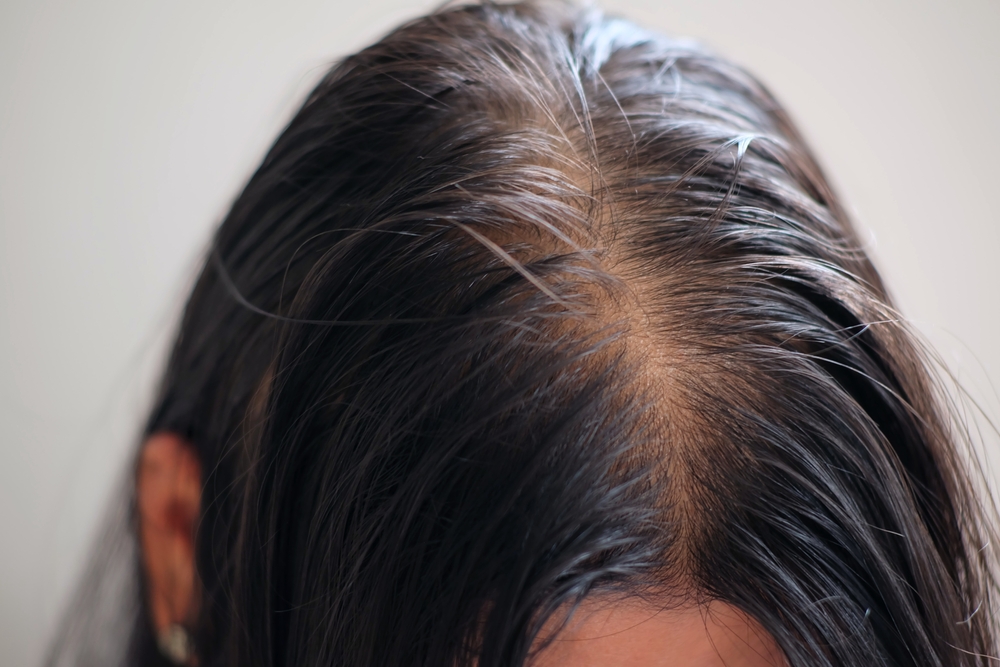
A widening hair parting or a visible reduction in hair volume, especially around the crown or hairline, is another common early sign of hair loss in young adults. Unlike occasional shedding, thinning reflects a more advanced stage of follicle weakening. You may find your ponytail feels smaller, your fringe less full, or your scalp more visible. If ignored, this stage can develop into male or female pattern hair loss.
From a TCM perspective, thinning can be linked to poor circulation. When the body lacks a sufficient supply of nutrients, energy, and proper circulation to the scalp, hair follicles are undernourished, producing thinner, weaker strands that break or fall out prematurely. Over time, this imbalance makes it increasingly difficult for follicles to recover their natural strength. Supporting the body with blood-nourishing herbs like Ginseng, Dang Gui and He Shou Wu, alongside treatments that improve circulation, can help revitalise the scalp and encourage healthier, hair growth.
Excess oil on the scalp may seem like a minor hygiene concern, but it often indicates deeper imbalances that, if left unaddressed, can compromise your hair health. Overactive sebaceous glands produce too much sebum, clogging follicles and trapping impurities. This not only makes your hair appear greasy and flat but can also triggers inflammation that weakens the scalp.
In TCM, an oily scalp is often associated with irregularities in liver function or an excess of internal damp-heat, resulting in poor detoxification process. These imbalances encourage the scalp to overproduce oil, disrupting its natural harmony. With a thorough TCM diagnosis for hair loss, the underlying cause of excess oil production can be identified and corrected. When treated early, balancing the scalp’s oil levels helps restore follicle vitality and prevents further complications that may lead to thinning or scalp conditions.
Scalp discomfort is one of the most overlooked yet important early warnings of scalp inflammation. Persistent itching, flaking, redness, or sensitivity often signals that the scalp is inflamed or under stress. While many dismiss it as simple dandruff or dryness, these symptoms can indicate a buildup of heat toxicity, environmental stressors, or an imbalance within the body.
From a TCM perspective, such discomfort is often linked to excess internal heat, poor liver health, or blood stagnation. These issues cause toxin build-up, affect circulation and nutrient delivery to the scalp, weakening its ability to support healthy hair growth. Addressing these imbalances early not only relieves irritation but also prevents the onset of scalp concerns that can contribute to thinning and shedding.
If new strands of hair feel thin, brittle, or refuse to grow past a certain length, it’s a sign that your scalp isn’t receiving enough nourishment. Over time, this results in sparse, fragile hair that struggles to recover from natural shedding cycles. Instead of thick, healthy regrowth, you may notice hair that feels weaker and less resilient with every cycle.
According to TCM, this stage can be linked to insufficient blood flow and a depletion of Kidney Jing (essence), leading to weaker and brittle hair. Without the right supply of nutrients and energy, follicles are unable to produce hair with strength and vitality.
Incorporating the application of premium Chinese herbs to deliver targeted nutrients to the scalp, combined with meridian head massage to stimulate circulation and energy flow, can further enhance follicle vitality and support hair strength.
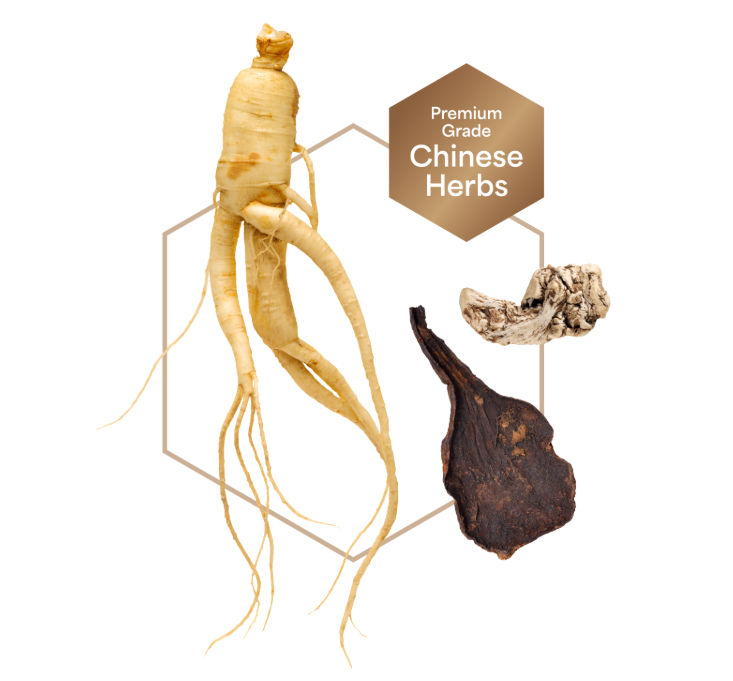
One of the greatest strengths of TCM lies in its ability to detect imbalances before they escalate into major issues. At Beijing 101, your journey begins with a comprehensive one-on-one consultation + detailed scalp scan analysis for your hair and scalp. This process is more than a surface examination; it involves a holistic evaluation of your overall health and lifestyle to understand the underlying causes of hair and scalp concerns.
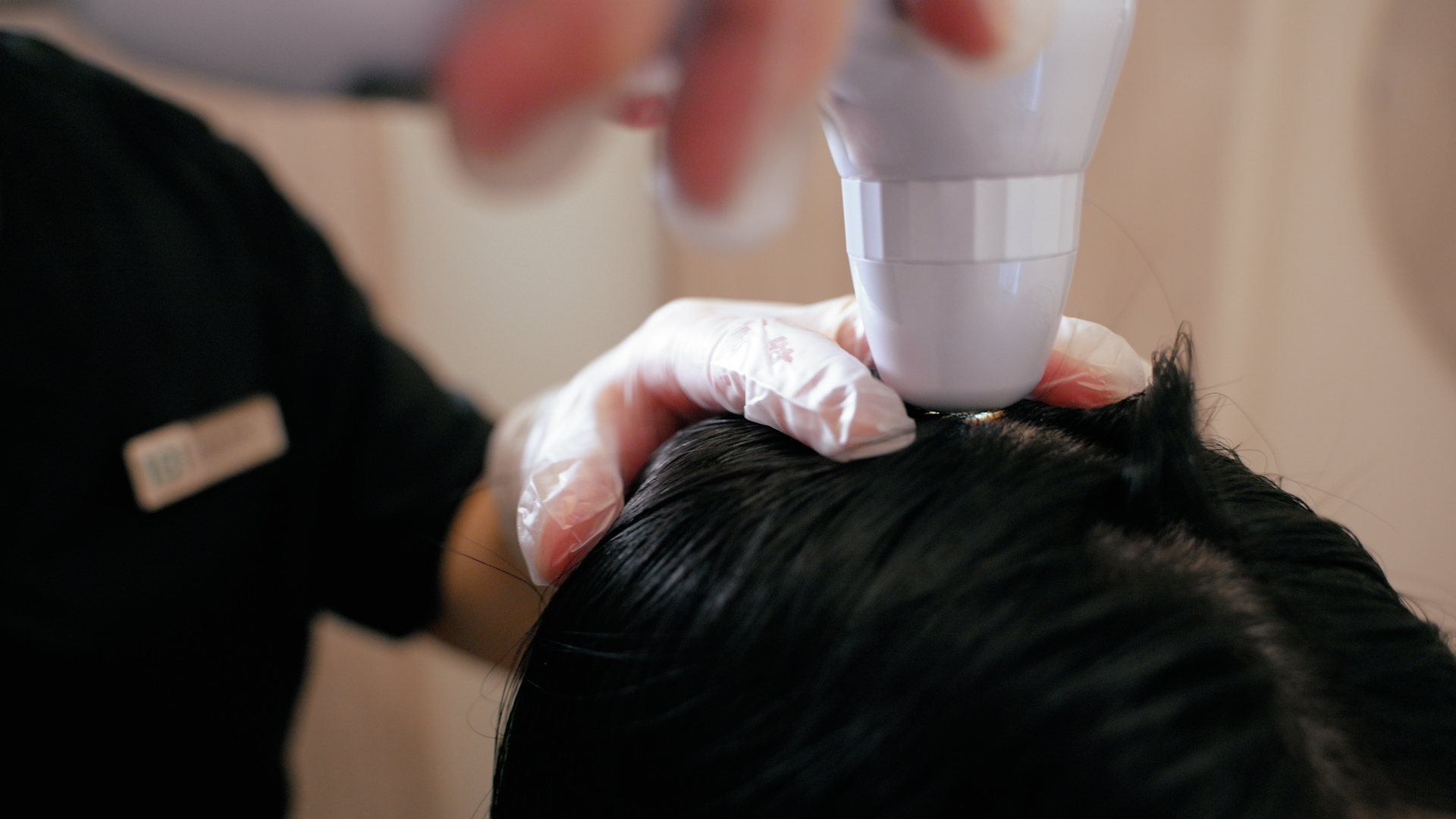
With the use of advanced technology, we will conduct a detailed scalp scan analysis during the one-on-one consultation to evaluate the conditions of your hair and scalp. This finding helps us to identify issues like clogged pores or excessive oil production that could lead to hair loss or other hair and scalp problems.

At Beijing 101, we pride ourselves on offering TCM solutions that go beyond generic hair care. Our consultants and therapists will combine traditional TCM principles with modern technology + techniques, to ensure every customer receives hair and scalp care, tailored to their unique needs.
To complement our quality services, we provide customised premium herbal hair and scalp treatments to combat hair loss, reduce inflammation, minimise dandruff, delay premature greying, relieve itchy and oily scalp + promote healthy hair growth for female and male customers.
Excess buildup of oil, dirt, and styling products can clog scalp pores, trigger irritation and inflammation. Scalp Detox Mask at Beijing 101 gently removes and clears impurities, refreshes the scalp, and restores a healthy balance, to support healthy hair.
The Signature Meridian Head Massage by Beijing 101 helps to encourage circulation, relieve tension, and enhance the delivery of nutrients to the scalp. This gentle yet effective therapy not only improves follicle vitality but also relaxes the nervous system, reducing stress-related hair loss.
Daily-use of hair care products (such as: shampoo, conditioner, essence and lotion) by Beijing 101 are formulated with premium TCM Chinese herbs to reduce excessive oiliness, nourish follicles, and keep the scalp balanced. Regular use helps to strengthen roots and promote healthy hair growth.

When it comes to protecting your hair, timing is everything. Early recognition gives you the chance to prevent hair loss before it becomes severe. Noticing more strands of hair on your pillow, in your brush, or shower drain may signal weakening roots, while a wider hair parting or reduced volume at the crown often points to hair thinning issues. An oily or greasy scalp is more than a cosmetic issue; excess sebum clogs follicles can trigger inflammation, and cause hair loss if left untreated. Recognising these early warning signs can ensure timely care and helps you maintain stronger, healthier hair.
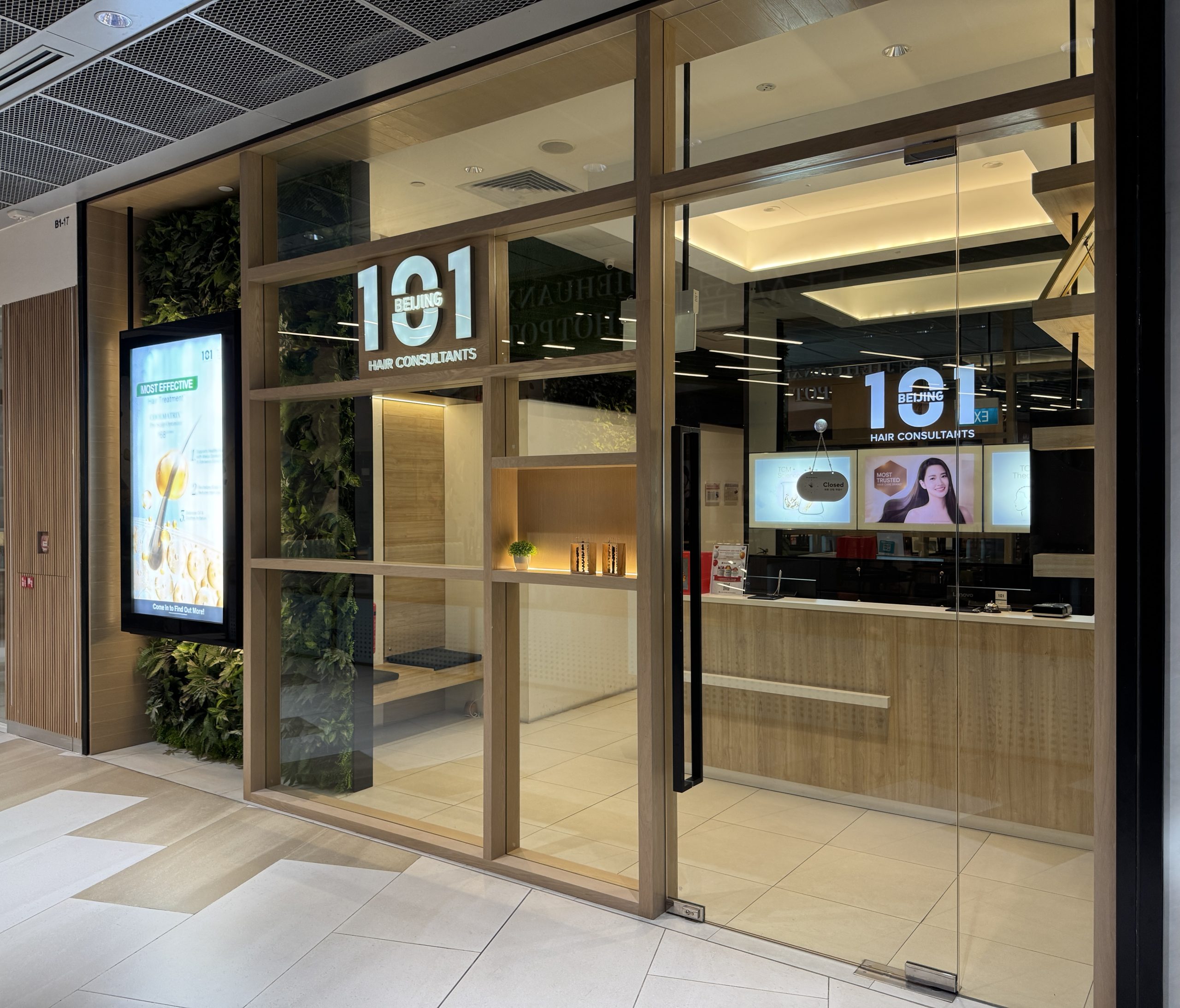
Established in 1974: At Beijing 101, we combine the wisdom of TCM to restore scalp health and strengthen your hair. Picture yourself with thicker, healthier hair. Don’t wait: secure your personalised TCM treatment + scalp scan diagnosis and take the first step to incredible results.
For more information on hair care and scalp concerns, please Call: 65588101 or WhatsApp: 96405730.
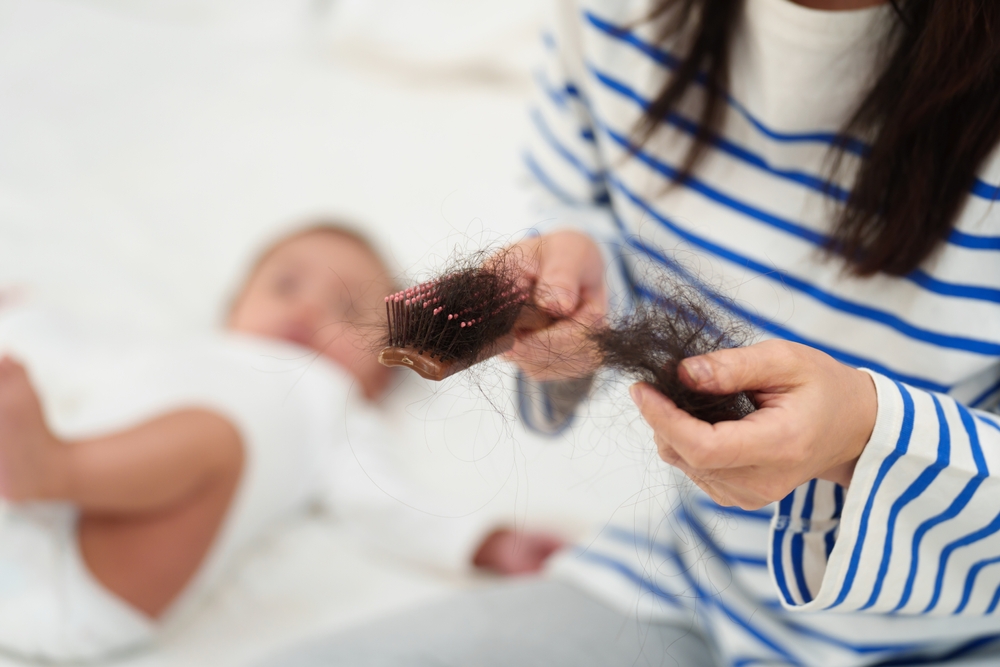
A new mother noticed clumps of hair gathering in the shower drain just weeks after confinement. At first, she assumed it was stress or sleepless nights, but as the thinning around her hairline became more obvious, she realised it was an issue that some mothers had experienced too.
Does she sound familiar? Could it be you, a friend, a colleague or someone you know?
Postpartum hair loss, also known as postnatal hair loss, is a condition that some women face after giving birth. During pregnancy, elevated levels of oestrogen prolong the hair's growth phase (anagen), resulting in less shedding and, in many cases, thicker, more luscious hair. However, after childbirth, hormone levels rapidly decrease, causing hair to enter the resting phase (telogen), resulting in noticeable hair loss.
The duration of this hair loss varies, typically occurring three to six months, or up to 12 months (or more) after childbirth, which can be upsetting for new mothers. It's important to note that postpartum hair loss is only temporary, and most women's hair will grow back to its normal hair growth cycle within a few months to a year. Individuals' hair loss varies; some experience mild shedding, while others notice significant thinning.
Understanding that postpartum hair loss is a normal and temporary process can help alleviate some of the anxiety that comes with it. Nonetheless, there are effective treatments available to manage and reduce the severity of hair loss during this time, resulting in faster recovery and healthier hair growth.
The following factors can contribute to postpartum hair loss:
Pregnancy and breastfeeding can deplete the body's essential nutrients, including iron, zinc, and vitamins. These deficiencies can weaken hair follicles, leading to excessive shedding.
The physical and emotional stress of childbirth, as well as the demands of caring for a newborn, can all disrupt the hair growth cycle. Chronic stress can cause telogen effluvium, which is a condition in which hair loss or sheds prematurely.
During pregnancy, increased blood volume and circulation stimulate hair growth. After childbirth, as blood volume returns to normal, reduced circulation can have an impact on hair follicles and contribute to hair loss.
Thyroid imbalances, which are common postpartum, can also cause hair loss. Conditions such as postpartum thyroiditis can impair the thyroid gland's function, compromising hair health.

Postpartum hair loss is treated with a combination of proper hair care, nutritional support, stress management, and specialised treatments that promote hair growth. Here are a few effective strategies.
Eat a diet high in essential nutrients such as iron, zinc, biotin, and vitamins A, C, D, and E. These nutrients promote healthy hair growth and overall wellness. Leafy greens, nuts, seeds, eggs, and lean proteins are all healthy options.
Avoid harsh chemical hair treatments, excessive heat styling, and tight hairstyles that can damage your hair and scalp. Use gentle shampoos,conditioners and products that are suitable for your hair and scalp types. Regularly massage your scalp to increase circulation in promoting healthier, hair growth.
Use stress-reduction techniques like yoga, meditation, and deep breathing exercises. Getting enough rest and seeking support from family and friends can also help you cope with the stress of new motherhood.
TCM provides natural, holistic treatments for postpartum hair loss. Premium Chinese herbs such as Ginseng, Dang Gui and He Shou Wu can nourish the scalp, improve circulation, and support hair growth.
Seeking professional help from hair care experts, such as Beijing 101, can provide targeted solutions for individual concerns, such as: male pattern hair loss, female pattern hair loss, premature greying, dandruff, patch baldness, itchy and oily scalp. These treatments include detailed scalp scan analysis, herbal hair and scalp treatments, and hair care products tailored to your specific needs.
Established in 1974, Beijing 101 is a renowned brand in the field of hair and scalp care treatment services that offers specialised treatments, including for: postpartum hair loss. Here's why Beijing 101 is the ideal choice for you.
With more than five decades of providing treatment solutions for hair and scalp issues, Beijing 101 combines premium TCM Chinese herbs with the latest hair growth equipment + techniques. Plus, our team of experienced specialists provides comprehensive care for your hair and scalp needs.
Beijing 101 provides customised treatment services, with a thorough scalp scan analysis, to show before and after treatment results. Every customer receives a personalised approach to addressing the underlying causes of hair loss or other concerns while ensuring customer satisfaction.
The focus of the treatments at Beijing 101 are based on premium Chinese herbs and TCM principles, which emphasises on improving hair and scalp conditions. Our multi-award-winning herbal treatment formulations include: Ginseng, Dang Gui and He Shou Wu which are well-known for their ability to promote hair growth and scalp health.
Beijing 101 uses cutting-edge technologies to support and improve the efficacy of its treatments. Advanced Light Therapy and AI High-Definition Scalp Scan Analysis are two modern equipment that help with precise diagnosis and treatment of hair loss.
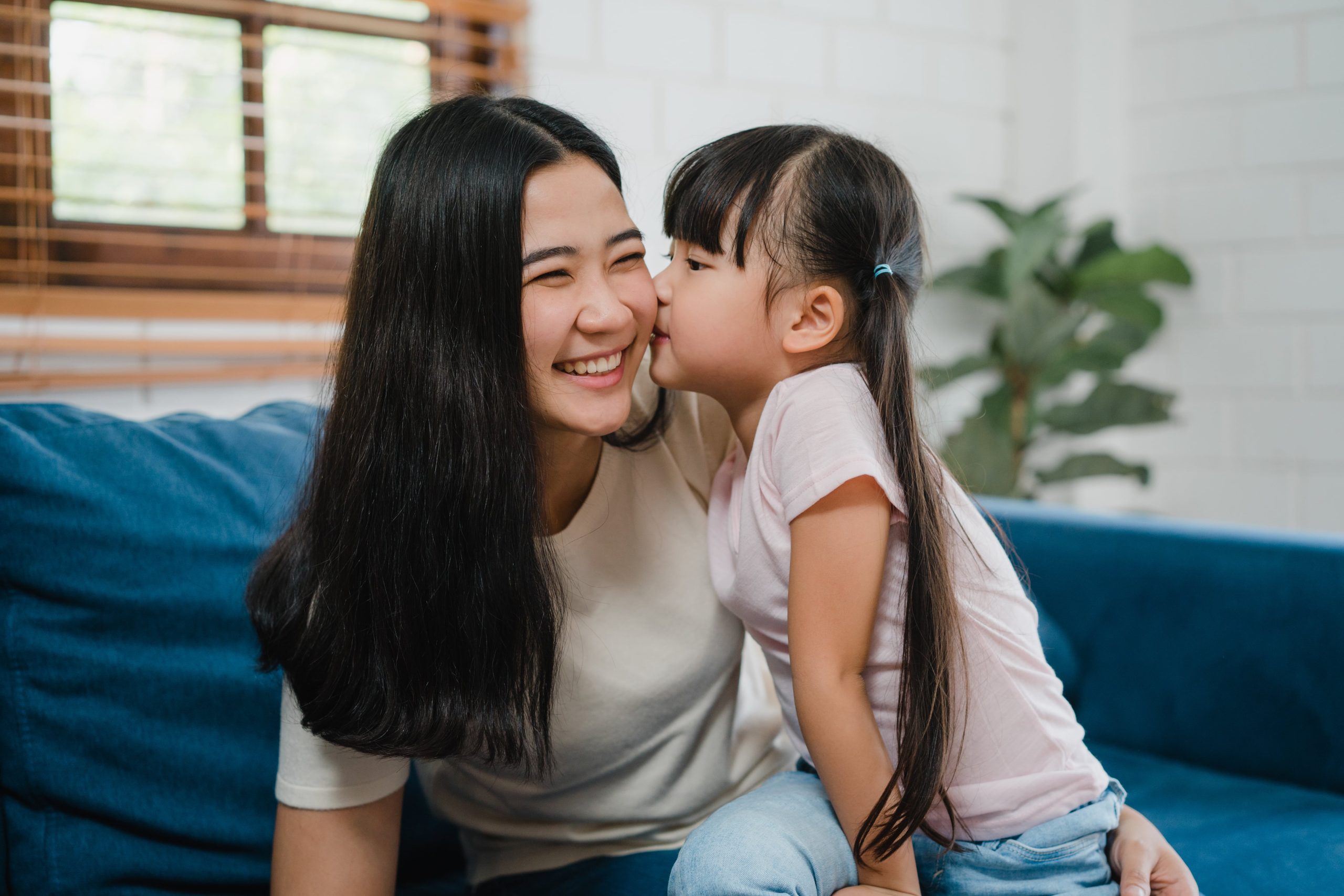
Perhaps it’s you, a sister, or a close friend going through the same worry of shedding hair after childbirth. At Beijing 101, we understand that postpartum hair loss is more than just a cosmetic concern: it’s about feeling like yourself again during a time when your energy and confidence matter most.
That’s why every new mother who visits us can receive more than just treatment. With Beijing 101’s trusted expertise, many mums have transformed this silent struggle into a journey of recovery; regaining not only stronger, healthier hair, but also building their confidence.
Book a personalised scalp consultation with Beijing 101 today and take the first step towards healthy hair + renewed confidence. For more information on hair care and scalp concerns, please Call: 65588101 or WhatsApp: 96405730.
Between post-work spin classes, full-face makeup, and the daily humidity marathon that is walking to the MRT, your scalp is working overtime, and sometimes, it shows. Maybe you’re rounding off a hectic day at work and skipping wash day because you're rushing to a party or heading to JB for a quick getaway. We’ve all been there. Suddenly, your scalp feels greasy even after shampooing, your hair’s lost its bounce, and the itchiness is getting harder to ignore. It might seem like a one-off, but if it keeps coming back, it is time to look deeper.
Many women in Singapore juggle careers, families, and personal time. Scalp issues like dandruff can feel like an extra annoyance on an already packed to-do list. But here’s the thing: Dandruff is one of the most common scalp conditions, and Singapore’s tropical climate only makes it worse. That means understanding the triggers and treating them early can save you a whole lot of discomfort down the road.
Dandruff is not just about dry skin or bad hygiene. It’s a scalp condition marked by flaking, itchiness, and sometimes oiliness. These flakes can show up on your shoulders, your scalp can feel sore or inflamed, and even freshly washed hair can seem dirty or limp.
It’s also easy to confuse a dry scalp with dandruff. A dry scalp comes from a lack of moisture, like skin peeling after a sunburn, while dandruff is a common condition of the scalp that is caused by overproduction of oil, fungal activity, or irritation.
Common causes of dandruff include the Malassezia fungus (which thrives in oily environments), hormonal fluctuations, product buildup, or stress. Yes, stress from a long day at the office or navigating MRT crowds can show up as dandruff on your scalp.
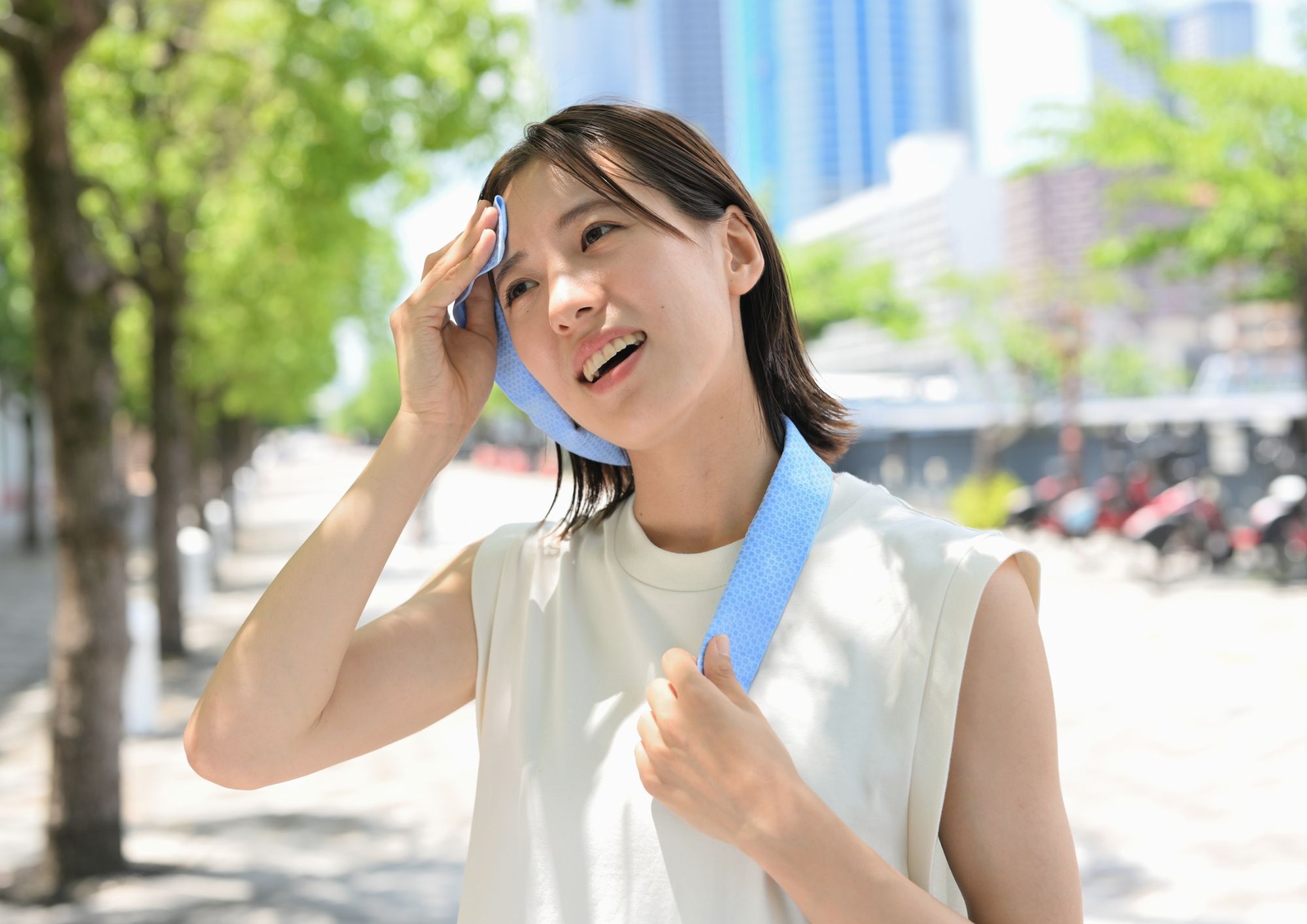
Singapore’s year-round humidity creates a perfect storm for scalp drama. The heat opens your pores and increases sweat, while the moisture in the air keeps your scalp feeling sticky all day. Mix sweat with excess sebum, and you get an ideal breeding ground for fungi like Malassezia.
Wearing headscarves, helmets, or caps (especially with our lifestyle) traps heat and moisture even more. Add pollution from city traffic and strong UV rays, and your scalp is basically under siege from morning till night.
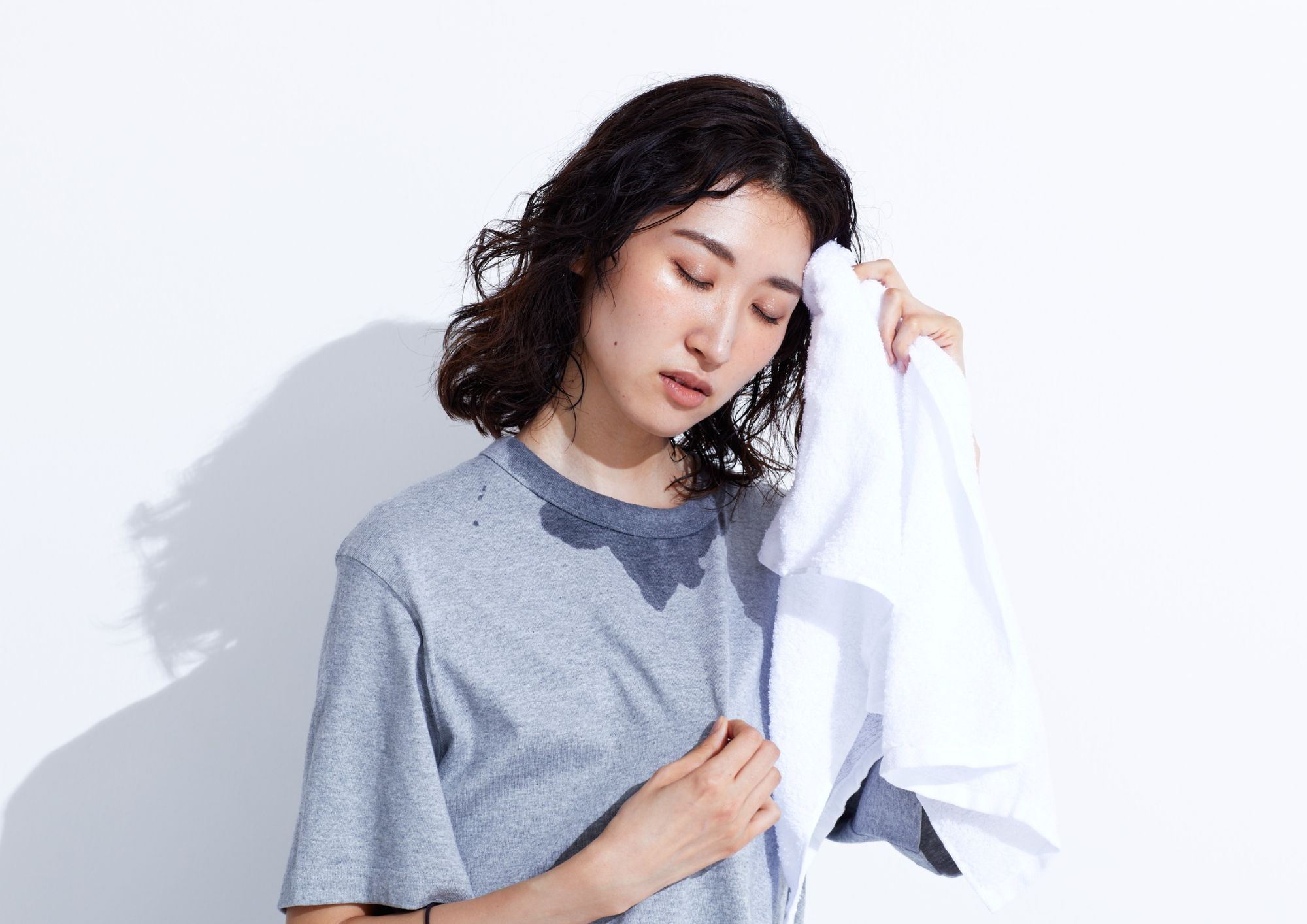
The following are the common causes of scalp issues faced by women in Singapore.
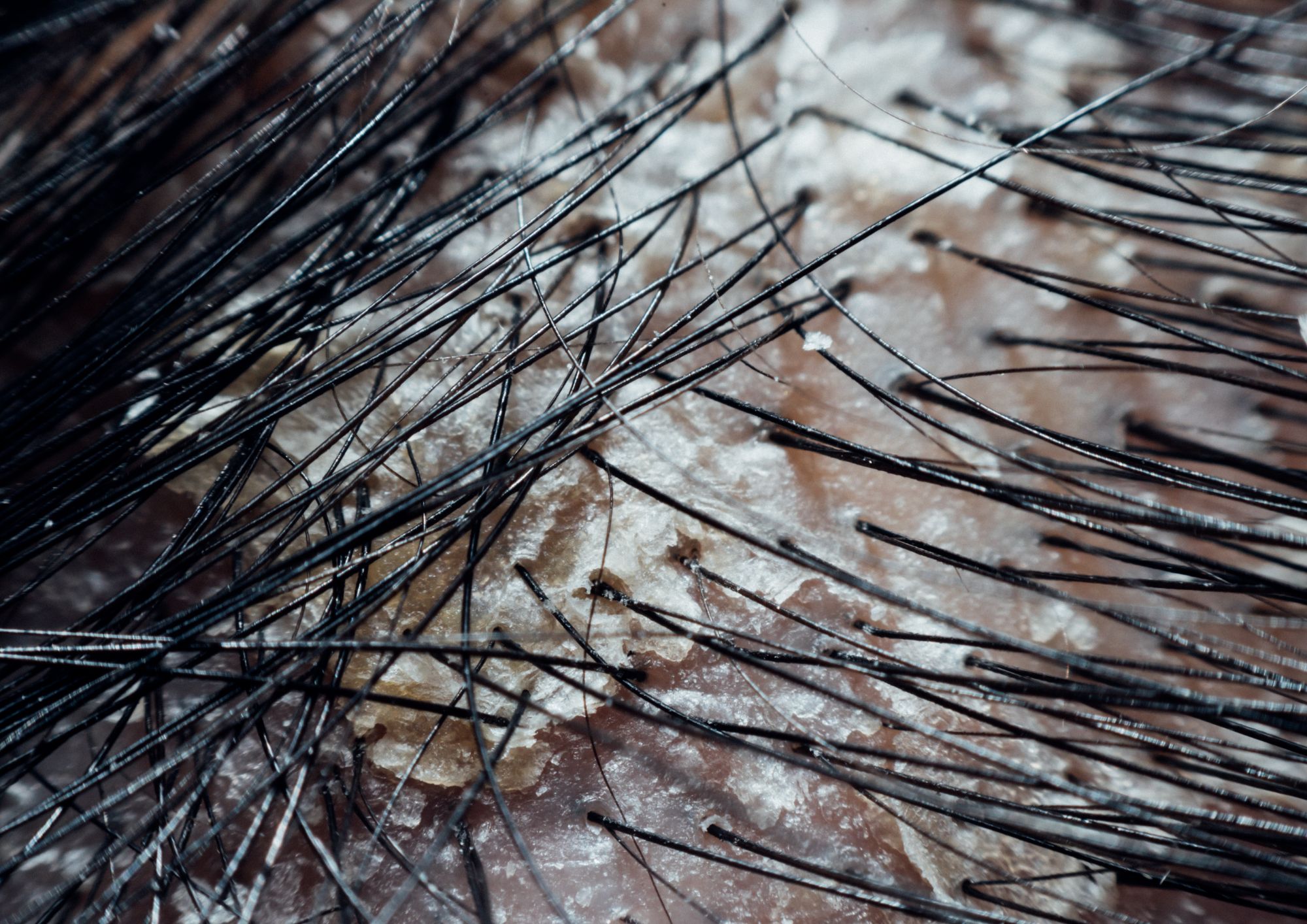
High humidity encourages the scalp to produce more oil, which can mix with sweat and styling products. This buildup clogs hair follicles, leading to itching, flaking, or even hair loss.
Sweating under the sun or in headwear can cause irritation and lead to frequent scratching, which inflames the scalp and worsens symptoms.
Malassezia yeast thrives in warm, oily environments, and unchecked growth can lead to seborrhoeic dermatitis, a more severe, inflamed form of dandruff.
When sweat and oil accumulate faster than you can clean them off, it can leave behind an unpleasant scalp odour and greasy texture.
Inflammation, flakes, and irritation can come and go with changes in weather, hormones, or stress levels.
The above aren’t just small inconveniences; they affect how you feel, how your hair looks, and even how confident you are heading into your next meeting or brunch.
Let’s clear up a few habits that might be making things worse:
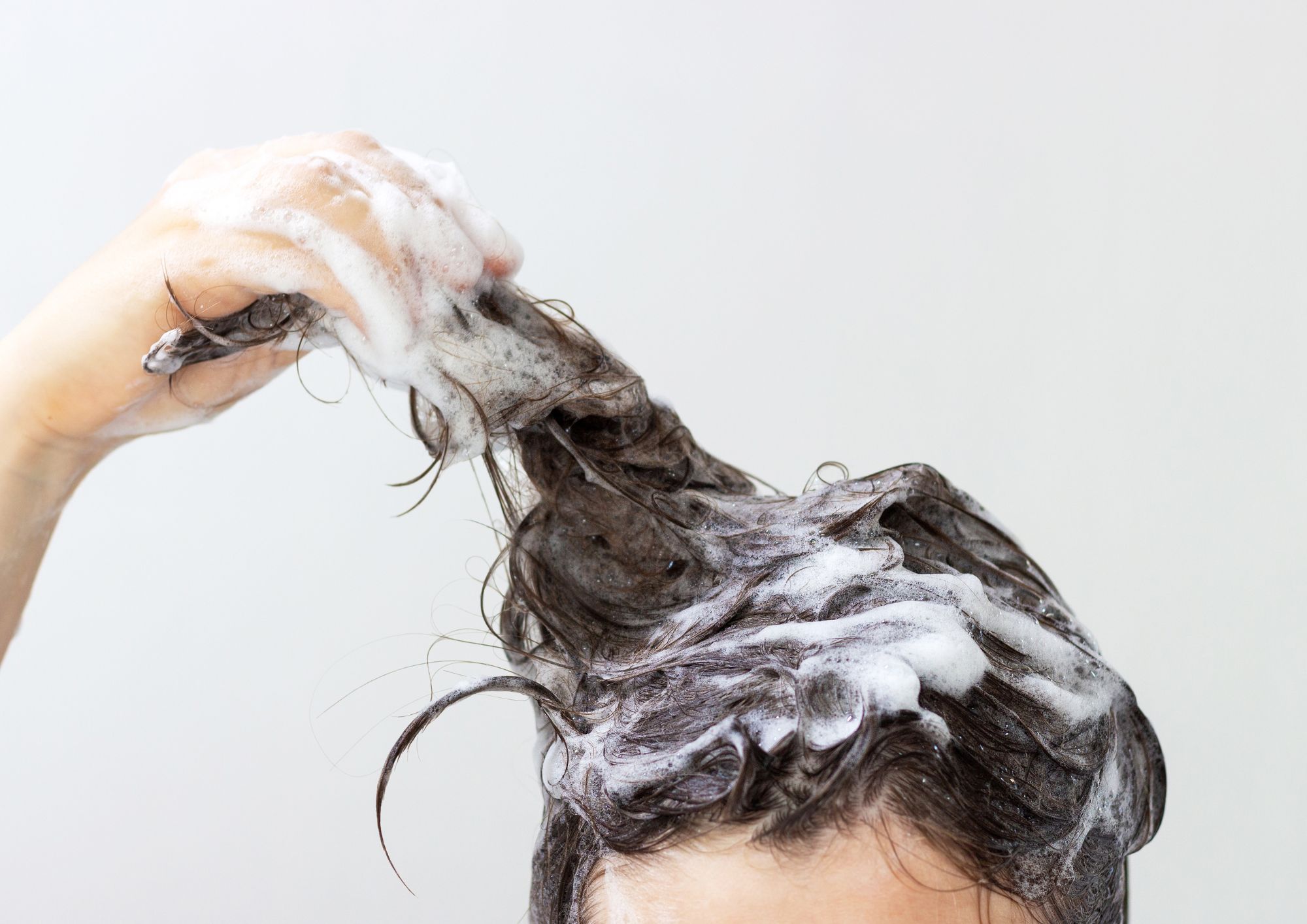
Washing your hair too often, especially with sulphate-heavy shampoos, can strip away your scalp’s natural protective oils. This triggers your sebaceous glands to overcompensate by producing even more oil, starting a vicious cycle that leads to conditions such as greasy roots, clogged follicles, and more flakes, not less. It’s counterproductive and irritating to your scalp.
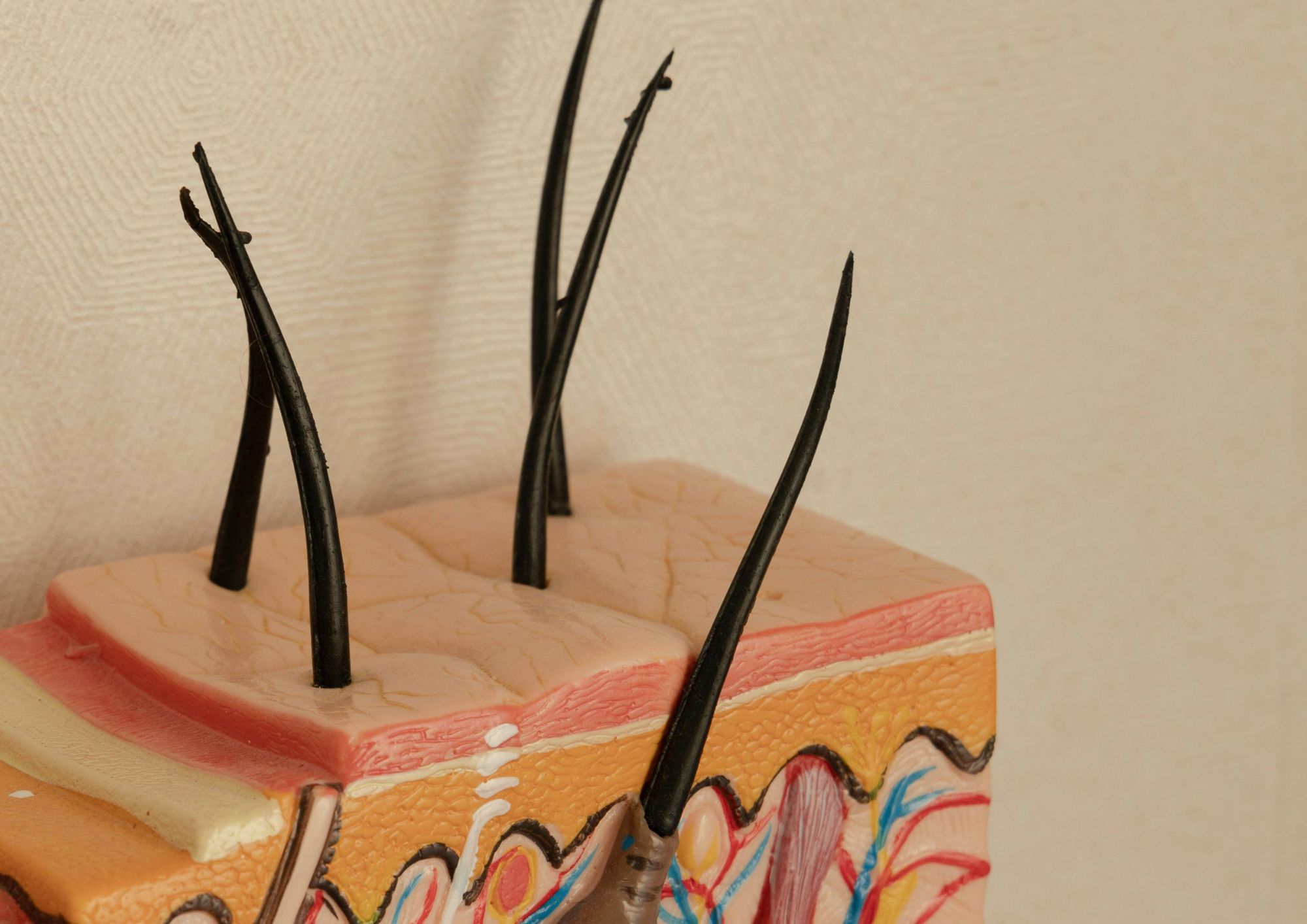
Many women treat scalp care as optional or cosmetic, something to do only when problems arise. But your scalp is skin, just like your face, and it deserves consistent TLC. Neglecting it means that buildup, inflammation, and flakes can fester quietly until symptoms become visible and harder to treat.
Leaving your scalp damp, especially under tudungs, helmets, or hats, creates a humid environment that encourages bacteria and fungi to thrive. Over time, this can lead to odour, itchiness, and even fungal infections. Always towel-dry your roots gently and allow proper airflow before covering your head.
Helmets, scarves, and caps made from synthetic materials trap heat and sweat, turning your scalp into a breeding ground for irritation and dandruff. Whenever possible, opt for breathable, moisture-wicking fabrics like cotton blends or performance materials that allow ventilation and help keep your scalp dry and cool.
If your scalp is persistently itchy, flaky, or inflamed, don’t brush it off. Waiting too long to seek help can cause simple issues to evolve into more serious conditions like seborrhoeic dermatitis or folliculitis. Early intervention is not only more effective—it’s often faster, cheaper, and less disruptive to your lifestyle.
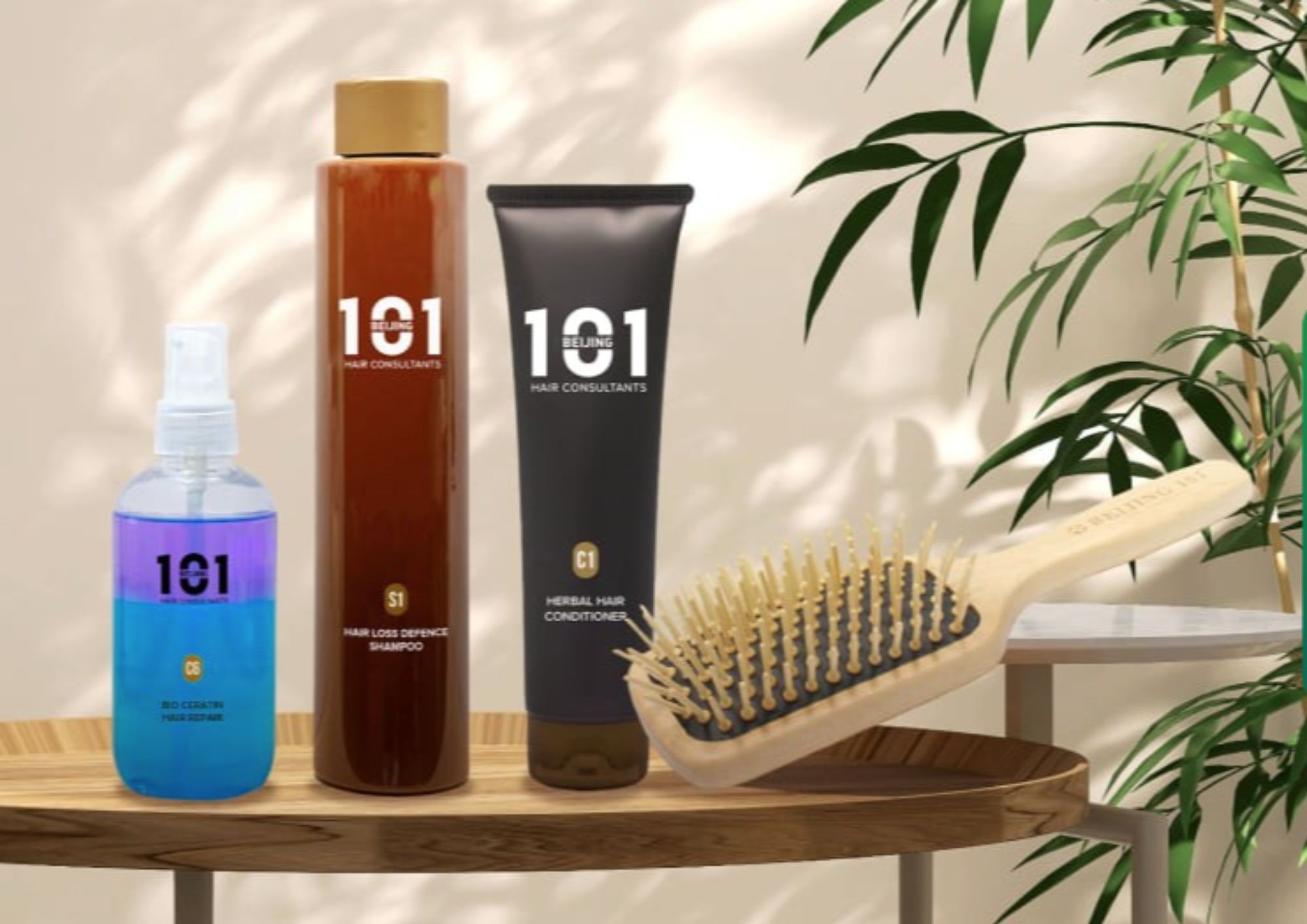
Look for shampoos with active ingredients like zinc pyrithione (antifungal and antibacterial), ketoconazole (strong antifungal), and salicylic acid (exfoliating). Rotate between them to avoid resistance.
Using a gentle scalp scrub once a week helps remove excess sebum, dead skin cells, and product buildup. This keeps your scalp clean and helps active ingredients in treatments absorb better.
While tea tree oil and apple cider vinegar may soothe mild cases, consistent or stubborn dandruff often needs clinically tested solutions. It’s important to know when to switch from DIY to dermatologist-approved care.
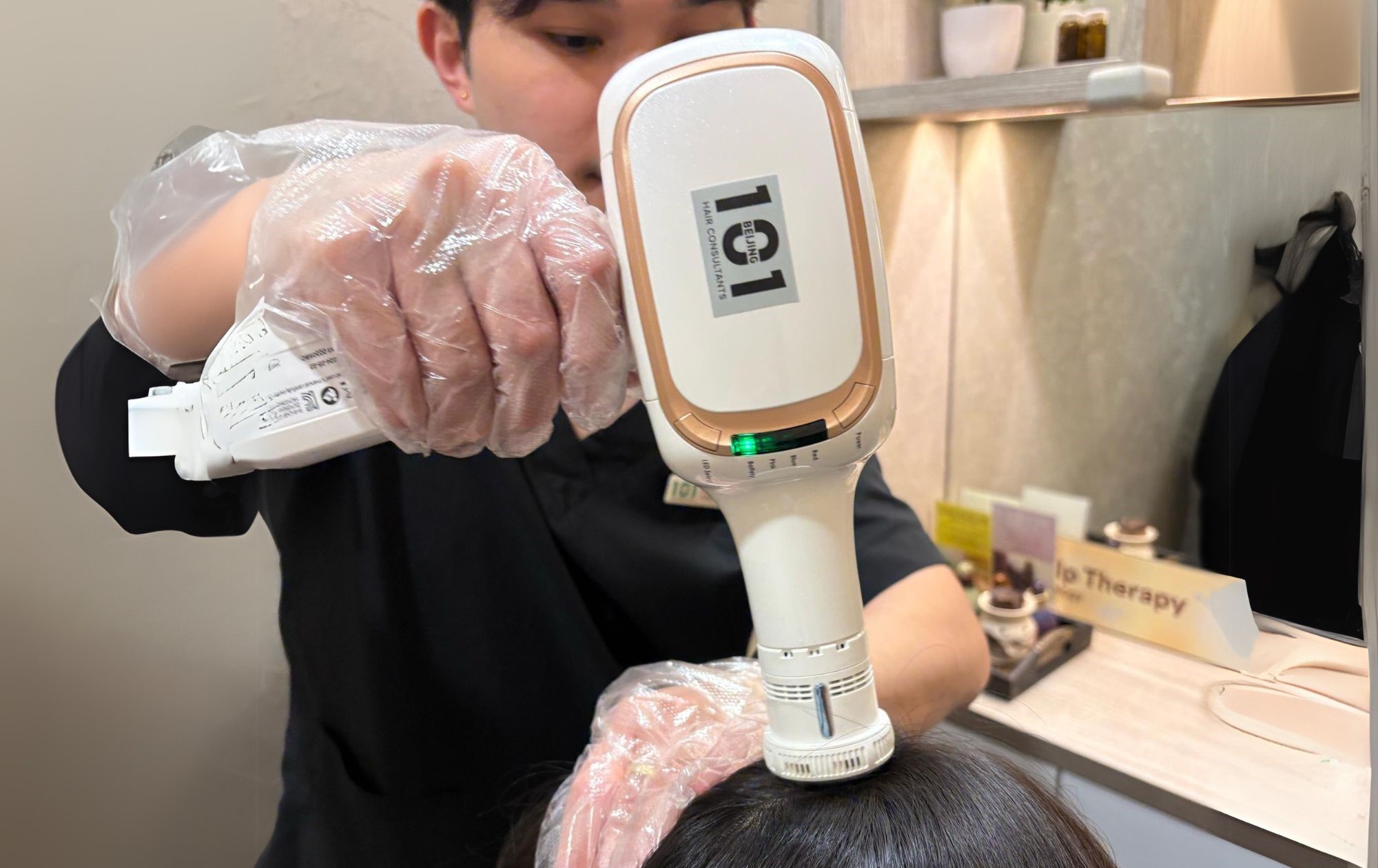
Many hair and scalp centres in Singapore, like Beijing101, now offer specialised treatments like deep cleansing detoxes and hydrating infusions. These are customised to your scalp condition and our local climate, making them more effective than off-the-shelf fixes.
Your daily habits can make or break your dandruff control. Simple changes like washing your hair after workouts, using a microfibre towel to dry your scalp, managing stress, and getting enough sleep can improve scalp health and reduce flare-ups.
The following are some effective ways you can have a healthy scalp.
In Singapore’s humid climate, oil, sweat, and pollution can accumulate quickly. Washing your hair regularly (without overdoing it) helps keep the scalp clean and balanced. Choose a mild, scalp-friendly shampoo and avoid overly hot water, which can strip your natural oils

Your scalp is skin, and like the rest of your body, it needs nourishment. Omega-3 fatty acids (found in fish, chia seeds, and walnuts), zinc, biotin, and plenty of water can help reduce inflammation and support hair health from the inside out. Cut back on sugar and processed food, and they can feed yeast on your scalp.
Whether it’s a cycling helmet or a bucket hat, look for lightweight, moisture-wicking materials. If possible, let your hair down at home to give your scalp a chance to breathe.
Use shampoos and styling products that are pH balanced, non-comedogenic, and free from harsh alcohols or heavy silicones. Avoid products with strong fragrances or dyes, as these can irritate sensitive scalps.
Add a gentle scalp massage while you shampoo, use a weekly exfoliating scrub to remove buildup, or try a lightweight scalp serum to maintain balance. Think of it as skincare for your scalp.
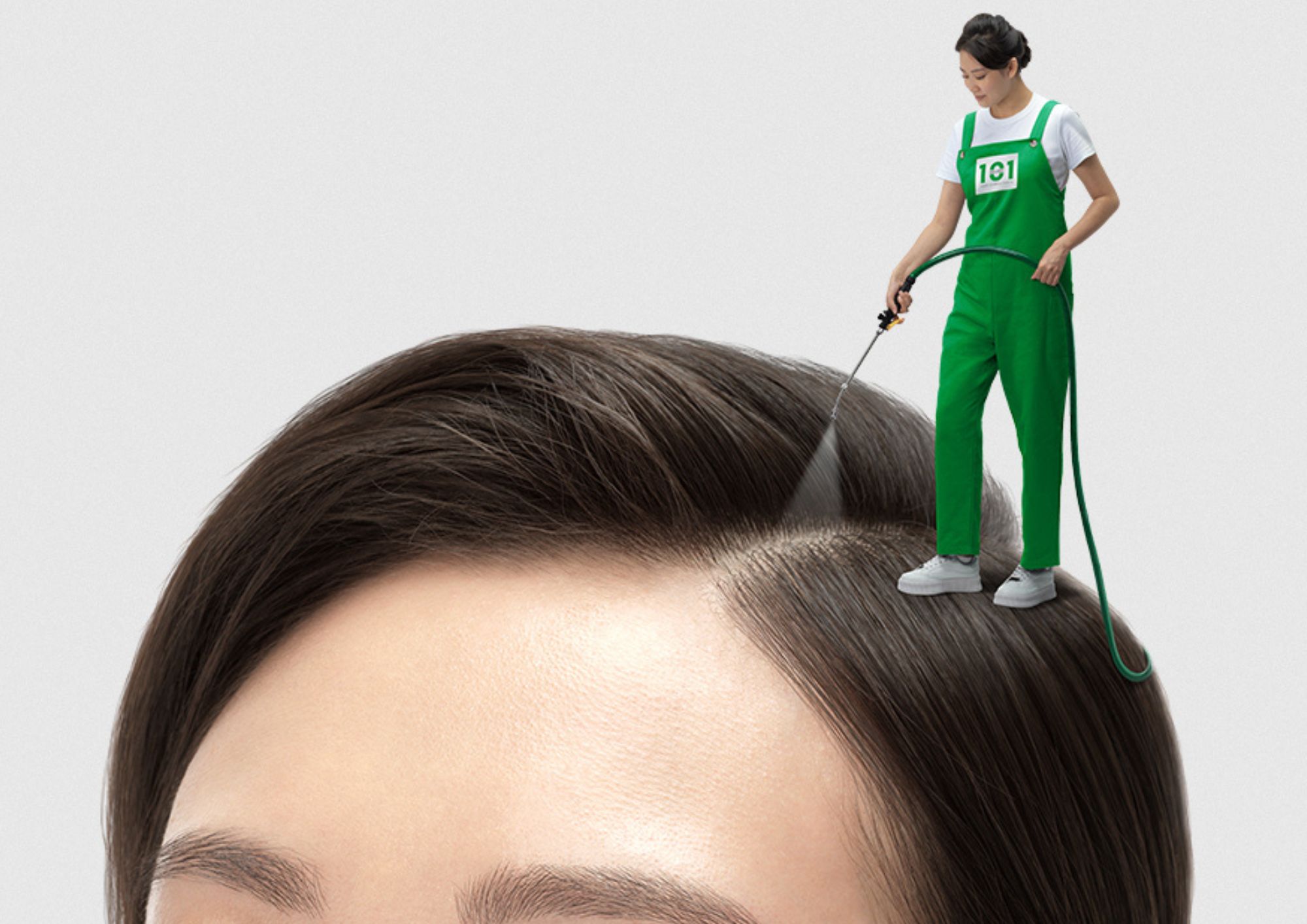
You’ve tried the shampoos, cleaned up your diet, and still… the flakes won’t quit. That’s when you bring in the pros.
See a trichologist or dermatologist for a dandruff scalp treatment if you have the following conditions:
If you've been using over-the-counter products for weeks with little or no improvement, it may indicate a more resistant or chronic condition. A professional can assess whether it's dandruff or something more complex, like seborrhoeic dermatitis or psoriasis.
Mild itchiness can be common, but when it becomes intense or your scalp looks red and inflamed, it’s time to see a specialist. These could be signs of infection, inflammation, or allergic reactions that need targeted treatment.
Dandruff may not directly cause hair loss, but the inflammation it triggers can weaken hair follicles over time. If you notice more strands falling out than usual or spot thinning areas, professional intervention is crucial to prevent long-term damage.
If dandruff keeps coming back no matter what you do, a deeper scalp analysis can uncover hidden causes like hormonal imbalances, fungal infections, or even autoimmune conditions.
Sores, oozing, or crusty patches on the scalp may mean the skin is broken and infected; this needs immediate medical attention.
In Singapore, early intervention is not only smart; it can help you avoid more complex and expensive treatments later. The good news? Many scalp care clinics now offer consultations and effective therapies tailored to your lifestyle.
Back to those long, humid walks, that post-spin class rush, and your Friday night glam sessions, your scalp goes through a lot in Singapore’s tropical climate. But the itch, the flakes, the greasy roots? They don’t have to be part of your story.
With a better understanding of what causes dandruff and how to treat it in this climate, you can take real steps toward scalp wellness. And remember, healthy hair starts at the root.
Looking for the best treatment centre for your scalp issues? Beijing101 offers professional hair and scalp care, and hair treatment solutions in Singapore, expertly tailored to your needs to give your scalp the focused care it truly deserves. 联系我们 today for an appointment.
Hair health is more than just a cosmetic concern—it’s a reflection of your overall well-being. Numerous factors influence hair growth, including genetics, age, environment, and, crucially, lifestyle elements such as stress and diet. These factors are often underestimated but play pivotal roles in maintaining strong, vibrant hair.
Traditional Chinese Medicine (TCM) offers a natural, holistic approach to hair restoration by rebalancing the body and supporting hair growth from the inside out. This ancient practice focuses on internal balance, promoting harmony between body systems to encourage optimal hair conditions. For those looking seeking natural solutions, TCM provides time-tested therapies that nurture hair from within.
Hair growth occurs in four distinct stages, each essential for maintaining strong and healthy hair. The Anagen phase, or growth phase, is when hair actively grows from the follicle. This phase can last two to seven years, depending on genetics and health factors. It’s the most important phase for anyone looking to enhance hair growth.
The Catagen phase is a short transitional stage that typically lasts two to three weeks. During this time, the hair stops growing and begins to detach from its blood supply. It serves as a natural buffer before the hair enters a resting state.
Next is the Telogen phase, which is a resting period that lasts around three months. The follicle remains dormant, preparing for the next cycle of growth. Although no new hair grows in this phase, the follicle remains active beneath the surface.
Finally, the Exogen phase is the shedding stage, where old hair naturally falls out and is replaced by new strands. This phase is essential for hair renewal and regeneration.

Stress often leads to hair loss and can trigger several hair-related conditions. One of the most common is Alopecia Areata, which, unlike Androgenetic Alopecia, is an autoimmune condition often brought on by extreme stress. It results in sudden hair loss in small, round patches and can affect the scalp and other areas of the body.
Another example is Trichotillomania, a psychological disorder characterised by the compulsive urge to pull out one’s hair. It is frequently linked to chronic stress and anxiety, leading to noticeable bald patches and further emotional distress.
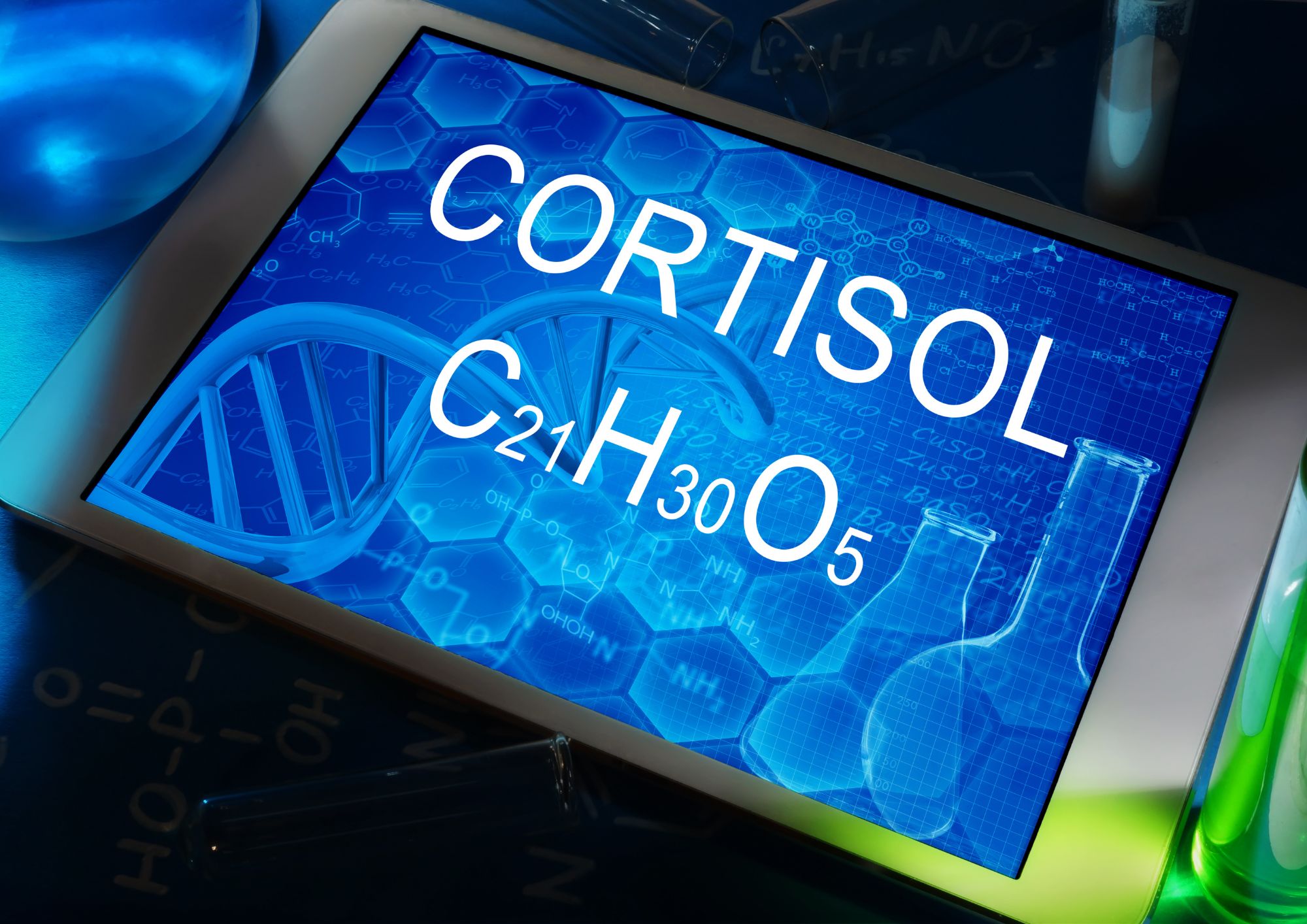
On a physiological level, stress increases the production of cortisol, the body’s primary stress hormone. Elevated cortisol levels can disrupt the natural hair growth cycle by pushing hair prematurely from the Anagen phase into the Telogen phase, leading to noticeable thinning or shedding.
Stress also contributes to poor scalp health, potentially triggering inflammatory conditions like seborrheic dermatitis. This results in a greasy, inflamed, or flaky scalp, all of which inhibit healthy hair growth. Additionally, chronic stress constricts blood vessels, reducing the flow of oxygen and nutrients to hair follicles and further weakening the hair.

Several strategies can be employed to combat stress and support hair health. Relaxation techniques such as meditation, yoga, and deep breathing are effective for lowering cortisol levels and calming the mind.
Regular physical exercise boosts endorphins, improves circulation, and enhances the body’s ability to manage stress. Adequate sleep is also essential—it supports hormonal balance and allows the body to repair and regenerate, including the hair follicles.
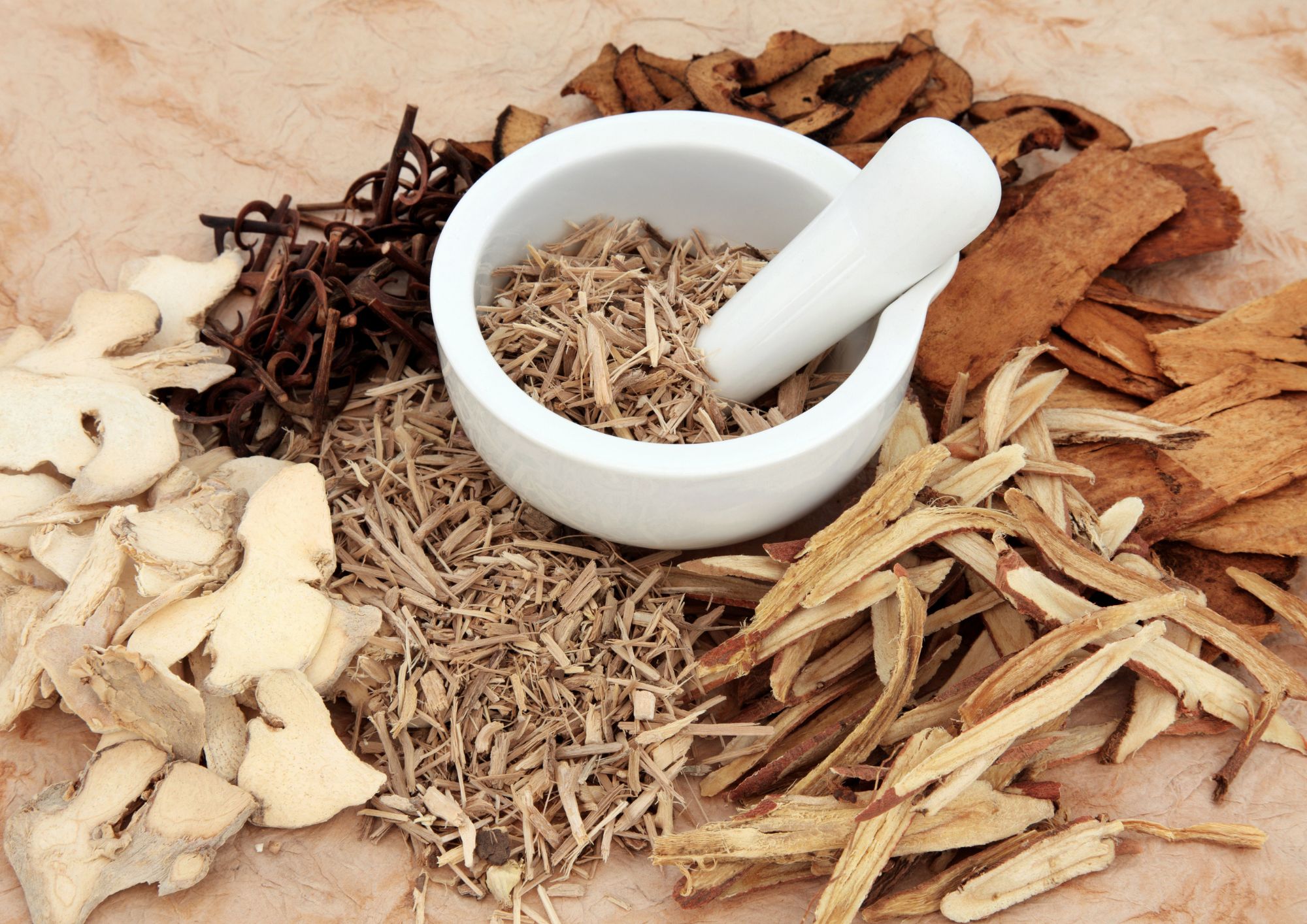
From a TCM standpoint, stress disrupts the flow of “气” Qi (vital energy) and blood, especially to the scalp. TCM offers herbal remedies like He Shou Wu (Fo-Ti), which are believed to nourish the liver and kidneys while helping to regulate stress hormones.
Scalp meridian massage is another therapeutic method in TCM, designed to unblock energy pathways and restore harmony within the body. These holistic practices aim not only to reduce stress but create the ideal internal environment for hair regrowth.
A balanced diet with nutrient-rich food is fundamental to maintaining and promoting healthy hair. Hair is primarily composed of a protein called keratin, so adequate protein intake is crucial. Without enough protein, hair may become brittle, weak, and more prone to falling out.
Iron is another vital nutrient; it aids in oxygen transport through the blood. Iron deficiency is a common cause of hair loss, particularly in women and may exacerbate female pattern hair loss, and is often linked to anemia. Biotin, also known as vitamin B7, supports keratin production and strengthens hair strands.
Omega-3 fatty acids, found in fatty fish and flaxseeds, nourish the scalp and reduce dryness and flakiness. Zinc, vitamin C, and selenium are trace minerals that play vital roles in maintaining the integrity of hair follicles, increasing hair thickness and preventing excessive hair shedding.
In contrast, a poor diet can significantly contribute to hair problems. Diets high in processed foods, refined sugars, and unhealthy fats can promote inflammation throughout the body, including the scalp. This inflammation may hinder normal follicle function and disrupt the hair growth cycle.
Additionally, excessive caffeine and alcohol intake can dehydrate the body and reduce the availability of nutrients required for healthy hair. Over time, poor dietary habits can lead to hair thinning, breakage, and dull hair.
For optimal hair health, it’s best to consume a variety of nutrient-dense foods. These include lean proteins like eggs, chicken, and fish; dark leafy greens such as spinach and kale; nuts and seeds like almonds and flaxseeds; and antioxidant-rich berries. Whole grains also provide important vitamins and minerals, including biotin and iron, to support hair growth.
From a TCM perspective, hair is considered an extension of the blood and closely linked to the strength of the liver and kidneys. When these organs are nourished and functioning well, hair growth tends to be healthier.
TCM superfoods such as black sesame seeds and walnuts are known to strengthen the kidneys and nourish the blood. Goji berries, rich in antioxidants, support healthy circulation and overall vitality. Herbs like Dang Gui (Angelica Sinensis) are prized in TCM for their ability to improve blood flow, thereby feeding the hair follicles.
TCM dietary recommendations also emphasise the importance of digestion. Eating too many cold or raw foods is thought to slow digestive fire, impair nutrient absorption, and ultimately weaken hair. Instead, warm and cooked meals—like herbal soups and steamed vegetables—are recommended to promote digestion and enhance internal circulation.

Take a multi-pronged approach to promote lasting hair health. This means integrating stress-reducing practices, a wholesome and nutrient-rich diet, and Traditional Chinese Medicine techniques into your daily life.
Hydration is also key, as water plays a crucial role in maintaining a healthy scalp environment and ensuring nutrients are properly delivered throughout the body.
Another aspect of lifestyle to consider is hair care practices. Avoiding excessive heat styling, chemical treatments, and harsh shampoos can help prevent damage to the hair shaft and scalp. Instead, opt for gentle, nourishing products made with natural ingredients and apply them to wet hair regularly for easy absorption.
Regular scalp massages—especially with herbal oils—can further improve circulation and stimulate hair follicles. This promotes new hair growth over time.
Hair health is deeply connected to internal balance, stress management, and proper nutrition. Understanding the roles that stress and diet play in the hair growth cycle empowers individuals to make informed, proactive choices.
Beijing 101 offers expert consultations, customised TCM-based treatments, and specialised hair care products designed to give the essential nutrients to nourish the scalp, reduce hair fall, and promote regrowth.
With a blend of personalised dietary guidance, herbal remedies, and therapeutic techniques, healthier, fuller hair is no longer just a goal—it’s an achievable reality.

Ready to rejuvenate your hair the natural way? Visit Beijing 101 for a professional consultation and personalised TCM-based hair loss treatment.
Whether you’re dealing with stress-related shedding, thinning due to diet, or hormonal imbalances, our experienced consultants will guide you with holistic, proven solutions. Discover how you can achieve stronger, healthier hair naturally, get in touch with us today.
An oily scalp can be more than just a cosmetic concern—it often affects both the health of your scalp and the overall appearance of your hair. Excess oil production can result in greasy strands, clogged hair follicles, dandruff, and, in some cases, even thinning hair, receding hairlines, and hair loss. Various factors may contribute to an oily scalp, ranging from internal causes such as hormonal issues to external influences like inappropriate hair care routines. Understanding what triggers your scalp’s oiliness is the first step towards restoring balance hand promoting healthier hair.
Let's explore five common causes of an oily scalp and offer effective, holistic solutions for each.
The sebaceous glands in your scalp are responsible for producing sebum, a natural oil that moisturises and protects the scalp. However, too much of a good thing can lead to issues like flat, greasy hair and clogged follicles and contribute to alopecia areata.
Your scalp’s sebaceous glands are responsible for producing sebum, an oily substance that keeps your hair moisturised and protected. While sebum is essential for scalp health, problems arise when the glands become overactive and produce too much oil. This overproduction can leave hair looking greasy just hours after washing.
Oily scalps and hair loss occur mainly because of genetics, harsh medical treatments, puberty, hormonal shifts, stress, skin diseases, and exposure to environmental pollutants. Due to hereditary factors, some people naturally have oilier skin, including on the scalp.
To manage an oily scalp caused by excessive oil production as a result of too much sebum, apply a gentle, ph-balanced shampoo to your hair regularly. Washing too frequently can strip the scalp of natural oils and paradoxically cause the glands to compensate by producing even more oil. Instead, aim to wash every two to three days, depending on your hair type.
Maintain a healthy diet rich in essential fatty acids and vitamins like A, B, and E, which are available as over-the-counter medications that help regulate sebum production and support overall scalp and hair health.
Furthermore, ensure you're staying hydrated and avoid stress triggers where possible, as these can worsen oil production. Creating a balanced hair care routine and tracking your scalp’s response to different products can make a big difference in managing oiliness.

Sometimes, the products you use during your hair care routine, rather than natural oil production, are the root cause of oily scalp issues. From styling gels to conditioners, the ingredients you apply to your scalp and even heat styling tools can significantly impact its oil levels.
Heavy conditioners, thick hair oils, silicone-based styling gels, and leave-in products may be to blame for your greasy scalp. These products can build up on the scalp and hair shaft, creating a film that traps oil and dirt and also prevents new hair growth.
Signs of product buildup include dull and dry hair, weighed-down strands, scalp itchiness, and a filmy residue after washing. If your scalp feels clean but your hair still appears oily, the culprit may be product-related.
Switch to lightweight, non-comedogenic products that won’t clog your scalp’s pores. Look for labels like “clarifying”, “balance oil production”. Clarifying shampoos used once a week can help strip away buildup and refresh the scalp. However, don’t overuse them, as they can be drying. Always rinse hair thoroughly and avoid layering multiple styling products daily.
Hormonal changes play a bigger role in your scalp’s oil production than you might think. Hormonal fluctuations can exacerbate an oily scalp, especially during life stages like puberty or pregnancy.
Androgens are male hormones found in both men and women that can cause the scalp to produce too much oil. When these hormone levels go up, during puberty, pregnancy, menopause, or conditions like PCOS, the scalp may become oily due to increased sebum production along with androgenic alopecia.
If you experience other symptoms, such as acne, irregular periods, or hair growth cycles in combination with a persistently oily and itchy scalp, irregular hair fall, a family history of oily scalp, or hereditary hair loss, such as male pattern baldness and female pattern hair loss, they can also cause scalp issues.
A nutrient-rich diet can help regulate hormones. Include foods high in zinc, magnesium, and healthy fats, such as avocados, aloe vera, leafy greens, nuts, seeds, and oily fish. Staying well-hydrated and getting enough sleep and living a healthy lifestyle also support the endocrine system. For ongoing concerns, it’s best to consult a healthcare provider.
Traditional Chinese Medicine (TCM) offers scalp care solutions rooted in herbal therapy. Shampoos formulated with premium Chinese herbs are effective for rebalancing the scalp. Herbs like ginseng, He Shou Wu, and ginger may help reduce oil production and increase blood circulation while strengthening hair roots and enhancing scalp circulation.
If your scalp is persistently oily and flaky, you could be dealing with more than excess sebum. Stress and certain skin conditions, particularly seborrheic dermatitis, often coexist and can disrupt the natural balance of your scalp.
Seborrheic dermatitis is a chronic inflammatory skin condition that commonly affects oil-rich areas such as the scalp, face, and chest. It presents as greasy, flaky patches, scalp irritation, and persistent dandruff. Contrary to popular belief, poor hygiene does not cause it, nor is it contagious.
Stress, lack of sleep, harsh climates, medical conditions and an overgrowth of Malassezia—a naturally occurring yeast—can trigger or worsen seborrheic dermatitis. The scalp becomes more sensitive, producing more oil and leading to discomfort and visible flaking.
When the body is under chronic stress, it can weaken the immune system, trigger inflammation, and increase sebum production. This scenario creates an ideal environment for conditions like seborrheic dermatitis to thrive.
Stress management plays a critical role in treatment. Incorporate relaxation techniques such as yoga, meditation, deep breathing exercises, and regular physical activity. Ensure consistent sleep routines and reduce intake of inflammatory foods.
Avoid harsh shampoos and styling tools that overheat the scalp. Instead, use gentle products with antifungal properties like tea tree oil or salicylic acid.
Seeking help from a scalp care centre with a long standing track record, like Beijing 101, can be transformative. With over 50 years of experience, Beijing 101 offers expert assessments and targeted scalp treatments that use natural, TCM-inspired solutions to relieve seborrheic dermatitis and restore scalp health.
These treatments address surface symptoms and aim to treat root imbalances in the body, leading to longer-lasting results.
Unbelievably, the frequency of hair washing has a significant impact on the oiliness of your scalp. Overwashing and underwashing can both lead to scalp issues that result in greasy, unmanageable hair.
It’s a common misconception that oily hair needs to be washed daily. In reality, overwashing strips the scalp of its protective oils, causing sebaceous glands to go into overdrive. On the flip side, not washing often enough leads to oil, sweat, and product buildup.
If you have a tight and dry scalp shortly after a wash, but it becomes greasy again within a day, you may be washing too often. If hair feels heavy or limp, you might not be washing frequently enough.
For most hair types, washing every 2–3 days with lukewarm water is ideal. Hot water stimulates oil production, while cold water may not clean effectively. Consider using a dry shampoo in between washes to absorb excess oil and refresh the scalp.
Be consistent with your washing schedule, and make adjustments based on your activity level and the weather. Try to avoid scratching or picking at the scalp, as these actions can trigger inflammation and additional oil production.
An oily scalp can result from various interconnected causes, from dead skin cells and product misuse to hormonal imbalances and stress-related skin conditions. How you wash your hair plays a crucial role in scalp exfoliation.
By using gentle yet effective hair care products, nourishing your body with the right nutrients, managing stress levels, avoiding harsh treatments and seeking professional guidance when needed, you can achieve long-lasting scalp balance and radiant, healthy hair.
If you’re struggling with an oily, irritated, or unbalanced scalp, it may be time to consult a professional. Beijing 101 has helped thousands across Singapore restore their scalp health using time-honoured Traditional Chinese Medicine practices. With over 50 years of expertise in oily scalp treatments, our customised scalp analyses and holistic herbal treatments offer a personalised path to manage oiliness, reduce flakiness, rejuvenate hair, and promote a healthy scalp.
Visit Beijing 101 today and take the first step toward a healthier, balanced scalp - naturally.
Hair loss, also known as alopecia, can be caused by various factors that differ from person to person. Understanding these underlying causes is critical for developing an effective treatment plan based on individual needs. One of the most common causes is genetics, specifically male and female pattern hair loss causing gradual hair thinning. Other hormonal imbalances caused by pregnancy, menopause, or thyroid disorders can also have a significant impact on hair health, resulting in noticeable hair loss.
Chronic stress, poor nutrition, lack of sleep, and unhealthy lifestyle habits are additional contributors to hair loss. Stress-induced hair loss, known as telogen effluvium, often occurs after a physically or emotionally taxing event, resulting in sudden and excessive shedding. Some medical conditions, like autoimmune diseases like alopecia areata, fungal infections on the scalp, and long-term illnesses, can also mess up the hair follicles' growth cycle, leading to thinning hair in patches or all over. Moreover, treatments like chemotherapy for cancer are known to cause substantial hair shedding, as are certain medications, including antidepressants, blood thinners, and chemotherapy drugs, which lead to poor blood circulation.
External factors further exacerbate hair loss. Environmental pollutants, harsh weather conditions, and harmful chemicals in hair care products can weaken hair and lead to breakage. Poor scalp health, such as dandruff, fungal infections, or excessive oil production, can also hinder hair growth and contribute to hair loss. Additionally, frequent heat styling tools, chemical treatments, and tight hairstyles can damage hair follicles, resulting in breakage and eventual loss.
Identifying the underlying causes of hair loss is critical to effectively combating it. Treatment plans frequently include lifestyle changes such as better nutrition, stress management, adequate sleep, medical interventions, and specialised hair care routines. By addressing the specific factors that cause hair loss, individuals can support healthy hair growth and prevent further loss of hair follicles, restoring both hair health and confidence.
TCM is a natural approach to stimulate hair growth, making it a popular choice for those seeking effective, long-term solutions. Here are several reasons to consider TCM for treating hair loss.
Traditional Chinese medicine adopts a holistic approach to addressing hair loss. It recognises the interconnectedness of the body's systems and views hair loss not just as a surface issue but as a symptom of deeper imbalances within the body.
TCM practitioners assess various factors, including the individual’s physical health, lifestyle habits, and emotional well-being. This comprehensive evaluation allows them to create a tailored treatment plan that addresses the root causes of hair loss while promoting overall wellness and vitality.
TCM treatments aim to rejuvenate the body from within by restoring balance and harmony. This approach ensures that the solution is not just a temporary fix but a long-term resolution to hair loss. Addressing underlying health issues and improving overall systemic health often results in healthier hair follicles and a more robust growth cycle, making TCM a preferred choice for those seeking sustainable solutions.
TCM harnesses the healing power of nature through carefully curated herbal formulations designed to restore balance within the body. We specifically choose these herbal remedies to target scalp circulation, regulate hormonal activity, and supply essential nutrients to the hair and scalp. The natural ingredients work synergistically to address internal imbalances, fostering a healthier environment for hair growth.
These herbal treatments are not only effective but also gentle, minimising the risk of side effects often associated with synthetic medications. By focusing on natural restoration,
TCM ensures that the hair and scalp receive the nourishment they need, promoting resilience, shine, and vitality from the roots to the tips.
In TCM, nutrition is considered a cornerstone of health, directly influencing the vitality of the hair follicles and strands. Practitioners often recommend dietary adjustments to strengthen the body’s Qi (vital energy) and blood circulation, both of which are essential for robust hair growth. Practitioners often incorporate foods rich in essential nutrients, such as iron, zinc, and vitamins, into the diet to enhance hair strength.
The individual's constitution tailors these dietary changes to address specific deficiencies or imbalances. By nourishing the body from within, TCM supports long-term improvements in hair health, providing a natural and sustainable approach to combating hair loss.
Meridian scalp massages are a hallmark of TCM and play a pivotal role in its approach to hair loss treatment. These massages involve stimulating specific acupressure points on the scalp to increase Qi (vital energy) and blood flow to areas in the scalp with blood deficiency. This improved circulation strengthens hair roots, revitalises dormant hair follicles, and encourages new growth.
Beyond physical benefits, Meridian scalp massages also promote relaxation and stress relief, which are crucial for overall health and hair vitality.
By addressing both the physical and emotional aspects of hair loss, energising therapy ensures a well-rounded and effective treatment experience.
Traditional Chinese medicine recognises the deep connection between emotional well-being and physical health, particularly when it comes to hair loss.
Stress is a significant contributor to hair fall, and TCM addresses this through calming practices such as meditation and Qi Gong. These techniques help reduce stress levels and increase blood flow, promoting relaxation and emotional balance, which are essential for maintaining a healthy scalp and hair growth.
By integrating stress-relief methods into hair loss treatment plans, TCM provides a holistic solution that goes beyond physical symptoms. A calmer mind leads to improved blood circulation, better nutrient absorption, and a more balanced hormonal state, all of which contribute to healthier hair. This comprehensive approach effectively manages both emotional and physical factors that affect hair health.
TCM provides a natural, holistic approach to managing hair loss by addressing the underlying causes rather than the symptoms. Its treatments, which include herbal remedies and acupuncture, aim to restore bodily balance.
When combined with modern medical advancements like low light therapy or topical solutions, TCM improves overall outcomes, including hair health and patient well-being.
TCM's integrative nature allows it to complement modern treatments, resulting in a synergistic effect that maximises outcomes. This combination of ancient wisdom and modern science offers a comprehensive approach to hair restoration, ensuring long-term benefits for those seeking effective solutions.
TCM provides long-term benefits for hair and scalp health by combining time-tested practices with a patient-centred approach. Whether as a standalone therapy or integrated with modern methods, TCM provides a sustainable solution for achieving vibrant, healthy hair.
Our TCM theory for hair growth is based on the principles of balancing the body's internal systems and promoting overall health.
Here's how TCM treats hair loss and promotes hair growth:
In Traditional Chinese Medicine, the kidney and liver meridians are important pathways that influence hair strength and growth.
The kidney meridian, or Jing, represents the essence of life and is essential for overall vitality, including hair health. Maintaining the balance of Jing is crucial for strong and healthy hair, as its depletion can weaken hair follicles and increase hair loss.
The liver meridian ensures that Qi and blood flow smoothly throughout the body. Proper blood circulation is necessary to nourish the scalp and support the hair follicles.
TCM focuses on restoring balance to these meridians, addressing the underlying causes of hair loss holistically, and promoting healthy hair growth by harmonising the body's internal systems.
Chinese herbs for hair loss, such as He Shou Wu, are important in TCM for healthy hair growth because of their ability to strengthen the kidneys and increase blood flow to the head.
These herbs improve these fundamental processes, creating an ideal environment for healthy hair growth and preventing premature thinning.
We carefully select them based on their unique properties and combinations to ensure their synergy. These remedies not only address hair loss but also promote overall vitality, making them a safe and natural choice for maintaining strong and vibrant hair.
Meridian scalp massage is a specific form of TCM that works on the root causes of hair loss by stimulating certain points on the scalp to improve blood flow and Qi flow.
This ancient technique not only promotes hair growth but also reduces stress and improves overall health.
This dual approach to promoting hair growth and stress reduction makes it an effective way to improve overall hair well-being.
TCM places a strong emphasis on dietary choices that promote hair vitality and overall health. Foods high in nutrients, such as black sesame seeds, walnuts, and goji berries, are thought to nourish the blood and kidney essence, both of which are necessary for healthy hair.
Incorporating these foods into your daily meals helps strengthen your body from the inside, preventing hair loss.
A balanced diet based on TCM principles not only strengthens hair but also promotes the body's natural processes. By addressing nutritional deficiencies and promoting internal harmony, this approach ensures long-term hair health and hair growth.
TCM posits an inextricable link between emotional well-being and hair growth, including hair vitality. Stress is a major contributor to hair loss, and practices such as meditation and Qi Gong are highly recommended to mitigate its effects.
These practices help relax the mind, restore inner balance, and create a favourable environment for hair growth.
TCM improves overall health and well-being by effectively managing stress and addressing the root causes of hair loss. This emphasis on mental and physical harmony ensures a holistic and natural approach to promoting the growth of healthy hair follicles and reverses thinning hair.
Yes. TCM is generally safe for hair loss treatment, especially when performed by a trained professional.
The following factors underscore why TCM is considered safe compared to alternative treatments:
TCM uses natural herbs and ingredients, lowering the risk of negative side effects commonly associated with chemical treatments. Traditional medicine has used herbs like He Shou Wu and ginseng for centuries, renowned for their safety and effectiveness. TCM uses natural remedies to address hair loss in a gentle yet effective manner.
The use of these time-tested ingredients promotes hair growth and overall health. Carefully designed TCM formulations nourish the scalp, improve blood circulation, and restore balance in the body. TCM's natural approach makes it a reliable option for those looking for safe, long-term hair loss solutions.
TCM techniques, such as herbal medicine and meridian scalp massage, are noninvasive, making them an excellent choice for people who prefer gentle treatment methods. Such non-invasive therapies increase blood flow to the scalp, nourish hair follicles, and stimulate hair regrowth without the need for surgical procedures or aggressive interventions, which reduces risks and discomfort.
TCM treatments effectively address hair loss by focusing on natural healing processes while prioritising patient comfort. These therapies are non-invasive hair growth methods, making them accessible to a wide range of people, including those with sensitive scalps or underlying health issues.
TCM practitioners create personalised treatment plans based on each person's specific health conditions and needs. This tailored approach ensures that treatments are both effective and safe, addressing the unique causes of hair loss for each patient. TCM sets itself apart with its personalised approach, tailoring solutions to individual hair growth goals.
TCM practitioners provide hair care that includes factors such as lifestyle, diet, and overall well-being, in addition to hair growth. This thoughtful and targeted approach increases the likelihood of success while also promoting long-term scalp health and vitality.
TCM's holistic approach focuses on improving overall health, which in turn supports the body's natural ability to heal and regrow hair. By addressing underlying imbalances in the body, TCM treatments not only target hair loss but also enhance general well-being. This comprehensive perspective ensures a deeper, more sustainable solution to hair concerns.
Through practices like Meridian therapy, herbal remedies, and dietary adjustments, TCM strengthens the body's internal systems. This integrated approach stimulates hair growth, making it a trusted choice for those seeking a balanced and health-focused treatment plan.
TCM practitioners in Singapore must go through rigorous training and certification to ensure high standards of care and professionalism. Choosing a certified practitioner ensures that treatments are safe, effective, and carried out by someone with extensive knowledge of TCM principles.
This regulation provides patients with a sense of security by guaranteeing they are under competent care. Certified TCM professionals follow strict guidelines, providing treatments that are both reliable and based on traditional wisdom, ensuring the best possible results for hair growth and overall health.
In conclusion, TCM offers a safe, natural, and holistic approach to treating hair loss, making it a viable option for those seeking effective and sustainable solutions.
Century Square
Address: #04-03, 2 Tampines Central 5, Singapore 529509
NEX
Address: #04-08, Serangoon Central, Singapore 769098
NorthPoint City (North Wing)
Address: #03-27, 930 Yishun Ave 2
Bedok Mall
Address: #B1-55, 311 New Upper Changi Road, Singapore 467360
Causeway Point
Address: #05-02A, 1 Woodlands Square, Singapore 738099
JEM
Address: #03-14, 50 Jurong Gateway Rd, Singapore 608549
Funan
Address: #B1-18, 107 North Bridge Road, Singapore 179105
Bedok Mall
Causeway Point
Century Square
Funan
JEM
NEX
Northpoint City North Wing