 Skip to main content

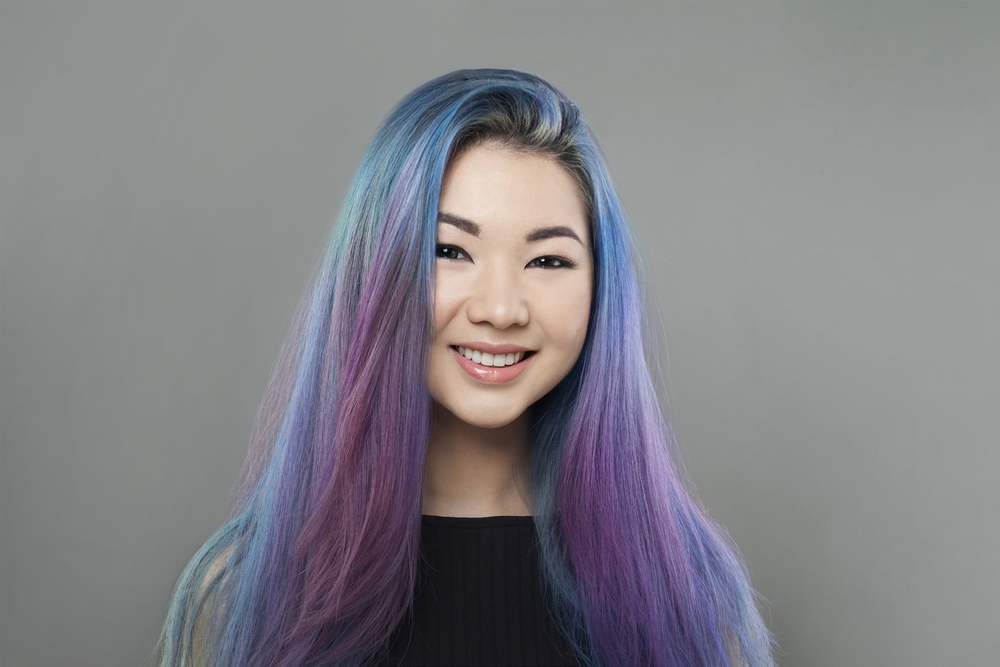
Hair is one of the most personal forms of self-expression. Whether it is the warm copper of a fresh colour, the sleek fall of chemically straightened strands, or the defined curl of a perm, chemical treatments have become embedded in everyday beauty routines. Yet beneath the visual transformation, these treatments can quietly damage the scalp and hair follicles in ways that accumulate over time. Understanding this risk is the first step toward finding a real hair loss solution before damage becomes permanent.
Hair Colouring, Hair Straightening, and the Lifestyle Behind the Choice
Hair colouring, bleaching, hair straightening, and keratin treatments are more than beauty rituals. They are tied to identity, confidence, and beauty standards. For many people, maintaining a particular style is inseparable from how they present themselves professionally and personally.
The issue is not the desire to style. The issue is that most people focus entirely on the hair strand (the visible result) while the scalp absorbs the real chemical load. The scalp skin is sensitive tissue, and repeated exposure to the active compounds in hair dye, relaxers, and straighteners can trigger irritation, inflammation, and follicular stress long before visible signs appear.
What Chemical Treatments Do to the Hair Shaft and Scalp
At a structural level, chemical treatments break the disulfide bonds within the hair shaft. These disulphide bonds hold the hair’s shape and give it tensile strength. When broken repeatedly by hair straighteners, perms, or bleaching agents, the hair shaft becomes brittle, porous, and prone to split ends and visible breakage.
The more serious concern sits deeper: the hair follicle. Harsh chemicals absorbed through the scalp skin can cause burns, trigger chronic inflammation, and in more severe cases, lead to follicular scarring. A scarred follicle loses its ability to produce new hair. Unlike the strand itself, which regrows after cutting, a damaged follicle may not recover. Hair thinning that originates in follicular scarring can become irreversible.
Chemical damage also compounds. Each treatment session adds to the cumulative chemical load on the scalp, increasing the likelihood of a sustained inflammatory response and progressive follicular weakening.
Early Warning Signs of Hair Thinning and Scalp Damage
The scalp signals distress earlier than most people recognise. Common early warning signs include:
- Excessive shedding or breakage during washing or brushing
- Persistent scalp sensitivity, redness, or a burning sensation after treatment
- Patches of hair thinning that are slow to recover between styling sessions
These symptoms are frequently dismissed as temporary side effects. In practice, they often indicate that the scalp is not recovering fully between chemical treatments. Continuing without intervention, particularly if heat styling tools like curling irons or hair straighteners are added on top of chemical processing, increases the risk of transitioning from manageable shedding into sustained hair loss.
How Repeated Chemical Treatments Can Lead to Permanent Hair Loss
When the hair follicle is damaged severely enough through chemical burns or prolonged inflammation, the result can be a form of scarring alopecia: permanent, localised hair loss that does not respond to standard hair regrowth treatments.
Waiting for the condition to resolve on its own often makes outcomes worse. As inflammation persists without treatment, scarring deepens and follicular recovery becomes less likely. Seeking professional assessment at the first signs of chemical damage is far more effective than waiting to see whether the hair regrows.
Protecting Your Hair Without Giving Up Your Lifestyle
Responsible use of chemical treatments does not require abandoning them altogether. It requires a more intentional approach:
- Observe adequate recovery intervals, typically a minimum of six to eight weeks between chemical treatments
- Avoid layering heat styling tools, such as curling irons or hair straighteners, directly on chemically processed hair
- Prioritise scalp care between sessions, including gentle cleansing and avoiding contact dermatitis triggers
- Seek a professional scalp assessment if sensitivity, shedding, or hair thinning does not resolve between treatments
Why Scalp Health Is the Real Hair Loss Solution
Hair does not grow from the strand. It grows from the follicle, which is rooted in the scalp. This distinction shapes everything about how chemical hair damage should be treated. No amount of product applied to the hair shaft will restore a follicle that has been compromised at its root. Recovery begins in the scalp.
A scalp-first approach targets inflammation, supports follicular repair, and restores the conditions necessary for healthy hair growth. At Beijing 101, this is exactly the philosophy behind our treatment method: a thorough scalp assessment combined with personalised, non-invasive care designed to address the underlying condition rather than the surface symptom. Our holistic approach considers the body as a whole, drawing on scalp treatments and lifestyle guidance to support long-term hair health.
With 92% of customers agreeing that Beijing 101 provides the most effective hair treatment, the approach speaks clearly through its outcomes.
Style Is a Choice. Permanent Hair Loss Does Not Have to Be.
Chemical treatments are a legitimate, widely enjoyed form of self-expression. The goal is not abstinence but awareness: understanding what the scalp needs between treatments, recognising the early signs of damage, and acting before the window for recovery closes.
If you have noticed persistent scalp sensitivity, hair thinning, or shedding that does not settle, do not wait. Book a personalised hair and scalp consultation at Beijing 101 for a professional assessment and a targeted solution matched to your specific condition.
For more information on hair care and scalp concerns, please call 65588101 or WhatsApp 96405730.
