When facing hair and scalp issues, choosing the right treatment centre is not simply about convenience; it is about long-term results and scalp care. In Singapore, where humidity, stress, and environmental factors can affect the hair and scalp conditions, such as: hair loss, hair thinning, dandruff, excessive oil production, and weakened hair follicles.
Many individuals seeking hair loss treatments in Singapore feel overwhelmed by the number of options available. However, not all centres provide professional one-on-one consultation, detailed scalp scan analysis, personalised care, or transparent communication. Because the causes of hair loss can vary significantly, from genetics, hereditary and hormonal changes to autoimmune reactions and stress factors. Therefore, a proper assessment is crucial for getting the treatment, suitable for your individual needs.
A credible centre begins with listening rather than selling. Before suggesting any hair loss treatment, the consultant should take time to understand your concerns, lifestyle habits, family history, and timeline of symptoms.
Hair thinning can be influenced by stress, hormonal fluctuations, or genetic predisposition, such as male pattern baldness. In some cases, sudden or patchy hair loss can be an indication of conditions like alopecia areata. A proper consultation involves examining the scalp, assessing scalp oil levels, and determining whether your hair loss is progressive or temporary.
If there are signs that the issue may be medical, for example, symptoms linked to hormonal imbalance, the centre should recommend seeing a doctor or consulting your doctor before proceeding. This demonstrates professionalism and prioritises your safety.
Many individuals feel vulnerable when discussing hair issues. Therefore, a trustworthy centre ensures that all explanations are clear and free from unnecessary jargon.
The consultant should explain the type of hair and scalp issues, the potential cause of it, and how the proposed hair loss treatment works. Whether the issue involves clogged scalp or hair loss, the explanation should be easy to understand.
Transparency extends to pricing. Trial sessions, treatment packages, and maintenance programmes should be presented with full clarity. There should be no hidden costs or high-pressure tactics.
Customers must feel comfortable asking questions about costs and expected results.
Hair thinning varies widely from one customer to another. The types of hair loss differ not only in cause but also in progression and severity.
For example, oily scalp conditions that contribute to hair follicle blockage require a different approach compared to genetic thinning that can be linked to male pattern baldness. Similarly, cases of hair loss in women may be influenced by hormonal changes or stress-related shedding.
A personalised plan considers scalp conditions, oil production and overall hair health. Rather than offering identical packages to everyone, the centre should tailor treatments to address hair loss concerns and scalp conditions.
Trust is built not only on a foundation of mutual respect, but also on expertise (competence) and behaviour (character). Hair and scalp concerns can affect self-esteem, therefore hair and scalp care treatments can support in building confidence.
Professional care includes clear communication during each session, gentle handling of the hair, and consistent reassurance about realistic expectations. The environment should feel comfortable, private and supportive.
For example, customers going through oily scalp hair loss treatments in our hair care centre, our consultants take time to explain the conditions of the scalp, outline the treatment steps clearly, and check in regularly on comfort levels during each session. Customers are guided through realistic progress timelines and supported with valuable advice + homecare products to maintain scalp balance, even at home.
A centre that treats every customer with understanding recognises that hair loss and scalp concerns are personal matters. The customer experience, from one-on-one consultation to follow-up on treatment progress, should reflect care rather than transactional service.
Effective hair and scalp treatments are rarely a one-time session solution. Hair recovery and scalp improvement require time and monitoring.
A trustworthy centre schedules regular follow-ups to evaluate progress. They reassess oil levels on the scalp, review hair loss patterns, and adjust the treatment plan if necessary.
Without ongoing support, it is difficult to determine whether the chosen treatment is working effectively. Centres that emphasise continuity demonstrate commitment to long-term results rather than short-term sales.
When researching centres for hair and scalp treatments in Singapore, reviews can offer valuable insight into the quality of service, results and what it is that our customers are looking for in a hair care centre.
Reliable feedback typically highlights clear consultations, transparent explanations, professional conduct, gradual improvements, and consistent follow-up care.
Authentic testimonials focus on genuine results. They describe steady progress and improvements in overall hair + scalp health over time. Reviews that emphasise customer care, honesty, and realistic expectations rather than bold statements can be indicators of a trustworthy and professional provider.
Hair and scalp concerns are rarely just cosmetic. Hair and scalp conditions can be linked to internal health issues.
Conditions such as thyroid disorders, hormonal imbalances, or autoimmune diseases can cause hair loss. In these cases, aesthetic treatments alone may not address the root problem.
A responsible centre understands when a referral to a doctor is appropriate. If your condition is sudden, accompanied by other issues, or shows unusual patterns such as patchy hair loss, a medical evaluation should be prioritised.
This approach protects the customer’s wellbeing and strengthens credibility.
Healthy hair growth depends on improving the conditions of the scalp. Excess oil buildup, inflammation, and clogged follicles can weaken hair strands over time.
By supporting hair growth, deep cleansing and removing impurities from the scalp, professional treatments can offer incredible improvements. Plus, managing the scalp environment also helps to prevent recurring issues.
Centres that emphasise ongoing scalp care rather than temporary cosmetic fixes demonstrate a deeper understanding of hair health.
Choosing a hair and scalp treatment centre in Singapore requires careful consideration. A trustworthy provider prioritises accurate diagnosis, personalised plans, transparent communication, and respectful customer care.
Whether you are managing early hair thinning, oily/itchy scalp, dandruff or advanced forms of hair loss in men or women, professional guidance is essential before beginning treatment.
Make an appointment with Beijing 101 and experience the difference in professional hair and scalp care for yourself. For more information on hair care and scalp concerns, please Call: 65588101 or WhatsApp: 96405730.
Take the first step toward restoring confidence and protecting your hair and scalp health today.
At Beijing 101, we believe there is a different way to approach hair and scalp treatments in Singapore, based on TCM (Traditional Chinese Medicine) methods, rooted in care, patience, and long-term thinking.
Meaningful results begin not with pressure, but with understanding. Hair care is rarely just a cosmetic concern; it is often connected to hair and/or scalp conditions, lifestyle factors, stress, or underlying imbalances. Moving away from transactional thinking allows us to focus on what truly matters: sustainable improvement in scalp health and healthy hair growth over time.
In TCM, hair loss is viewed as a condition influenced by internal balance and circulation. To get improvement requires consistent care, preferably with the support of a TCM hair care professional rather than quick intervention.
For example, hair growth and recovery do not happen overnight. The hair follicles function in cycles, and restoring a healthy scalp environment takes time. Sustaining scalp health can lead to healthy hair with deeper balance.
We at Beijing 101 believe in prioritising results; that is why our TCM-based hair and scalp treatments in Singapore deliver an amazing experience for our customers, both women and men with hair and/or scalp concerns.
A thoughtful approach fosters trust. Instead of asking, “How quickly can we begin?”, we find out, “What is the root cause of the hair and/or scalp issue?” and "How can we help to support your hair and scalp properly?” This difference in mindset shapes everything we do.
Every journey at Beijing 101 begins with listening. Hair care is personal, and every customer’s experience is unique. Some may be facing hair care issues, and others may struggle with scalp conditions linked to stress, hormonal shifts, or environmental exposure.
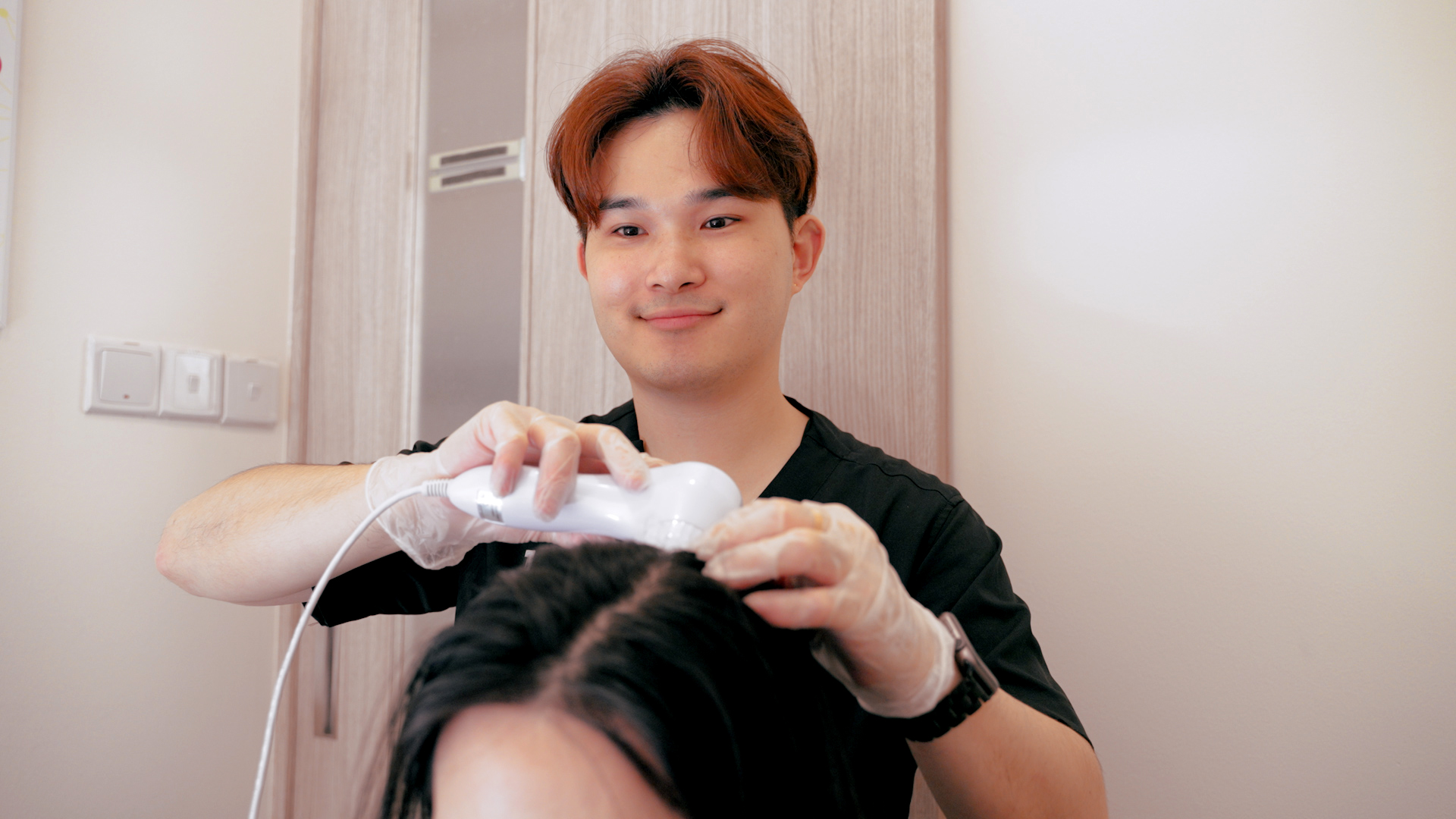
Our one-on-one consultation process focuses on understanding your concerns, lifestyle, expectations, and the history of your hair and scalp conditions. We take time to assess not only visible hair thinning and hair loss concerns, but also scalp health, such as circulation, oil balance, and sensitivity.
At Beijing 101, we are committed to providing a transparent and pressure-free experience, with no hidden costs. Our hair & scalp care experts may recommend alternative treatments or packages based on your individual condition and needs. However, the final decision always rests with you, and there is no obligation to proceed with any recommendation.
All suggestions are made following a professional assessment, not assumptions. We carefully ensure that any proposed treatment plan aligns with your hair and scalp conditions, lifestyle, and hair health goals.
The TCM concepts, such as circulation, nourishment, and balance, can sound complex. At Beijing 101, we explain treatments in simple, clear language.
We believe customers should understand how our TCM treatments work, why they are recommended, and what realistic expectations look like. Whether the focus is improving circulation, reducing inflammation, or supporting hair follicles, clarity builds confidence.
Customers are encouraged to ask questions and seek clarification. There is no rush to decide. Understanding the reasoning behind a recommendation empowers you to make informed choices about your hair care journey.
Hair and scalp issues can affect confidence and self-esteem. This is why creating a respectful, comfortable environment is central to our philosophy. From consultation rooms to treatment spaces, we aim to ensure privacy, dignity, and calmness.
At Beijing 101, we do not believe in rushed decisions. Customers are encouraged to move forward at their own pace, and our experts are there every step of the way to support them and answer any questions they may have on the process.
When individuals feel supported rather than pressured, their confidence in both the treatment and the service naturally increases.
Follow-ups are part of responsible care, especially in long-term hair treatments. However, there is a difference between checking in and chasing.
Our follow-ups are designed to monitor progress, ensure comfort, and adjust treatment plans where necessary.
Improvements in hair and scalp conditions require ongoing observation and adaptation. Regular reviews allow our team to assess how your hair and scalp respond to treatment — whether addressing concerns such as oily scalp, greying hair, or general hair loss. If adjustments are needed, they are made thoughtfully and transparently to ensure optimal results.
When care is prioritised over conversion, customers feel more confident in their decisions. They understand why a treatment is recommended, how it works, and what to expect.
This clarity reduces anxiety and builds trust, essential components in addressing any hair and scalp condition.
Hair care is a sensitive issue. Customers deserve to feel heard and respected. Our inclusive approach ensures that individuals from all backgrounds feel safe and supported.
By respecting cultural and religious needs, including private treatment spaces for Muslim women who wear hijab/tudong, we demonstrate that service quality extends beyond technical treatment; it includes empathy and awareness.
Our philosophy goes beyond providing hair and scalp treatments. It is about building long-term relationships rooted in trust. A healthy scalp and hair care journey is rarely a one-time visit. It is an evolving process that requires understanding, consistency, and mutual respect.
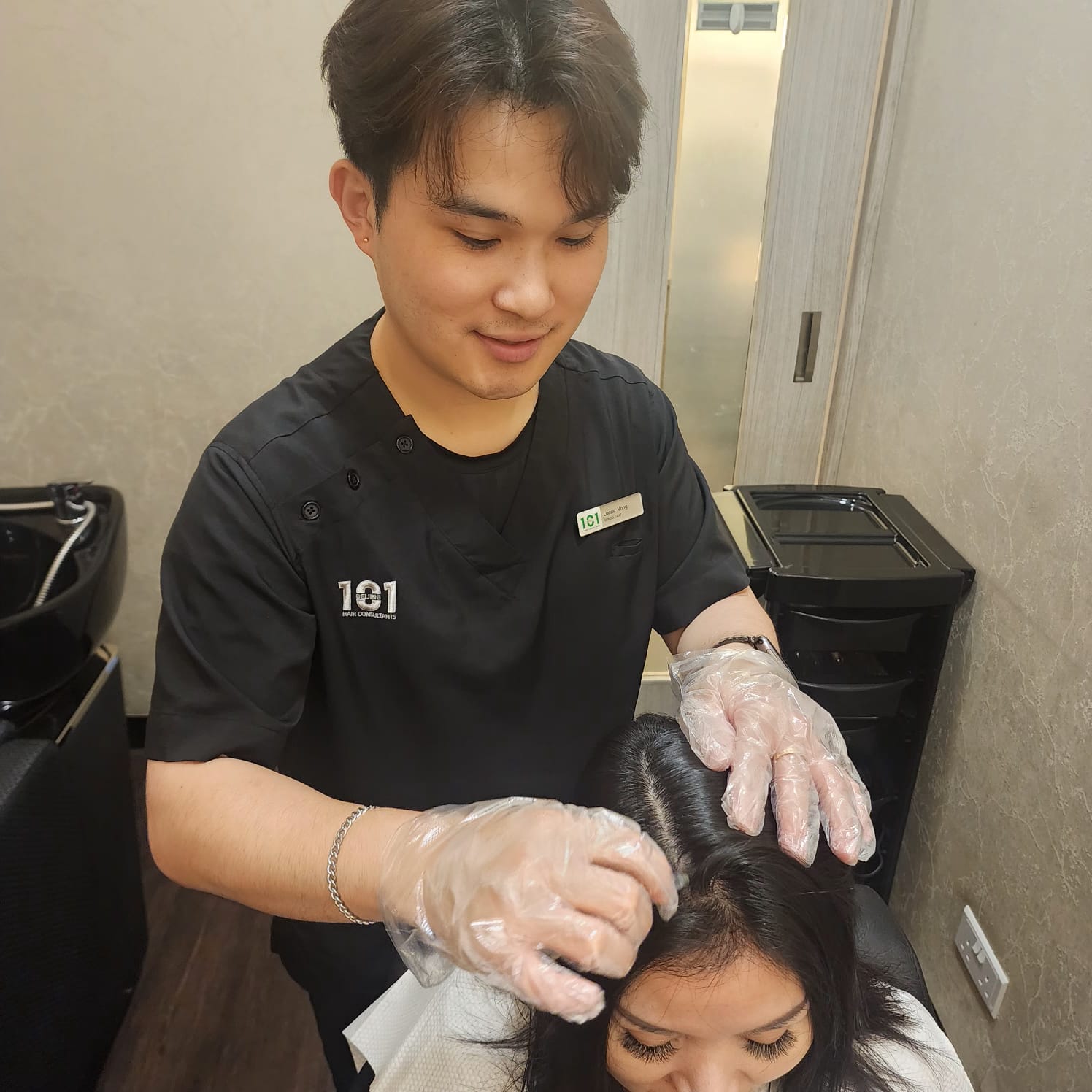
In TCM, hair and scalp treatments are often linked to circulation and nourishment issues affecting the scalp and hair follicles. Poor circulation, stress, and imbalances may disrupt the natural hair growth cycle.
By focusing on the root cause rather than masking symptoms, our treatment aims to create a healthier scalp environment. A healthy scalp supports healthy hair growth and reduces the likelihood of recurring issues.
Our non-invasive TCM-based approaches focus on supporting natural processes in hair and scalp treatment.
At Beijing 101, we believe that care is the foundation of effective results. Hair care treatment is not simply about restoring hair; it is about restoring balance to the body and scalp and creating the conditions necessary for healthy hair growth.
When customers feel respected, informed, and supported, they are more likely to remain consistent with treatment plans. Healthy hair and scalp conditions are achieved through consistency and sustained care over time.
Trust is built through transparency, ethical practice, and genuine concern for customer well-being.
In a market where urgency often replaces care, we remain committed to a different philosophy, one where informed decision-making and personalised one-on-one consultation take precedence over sales pressure.
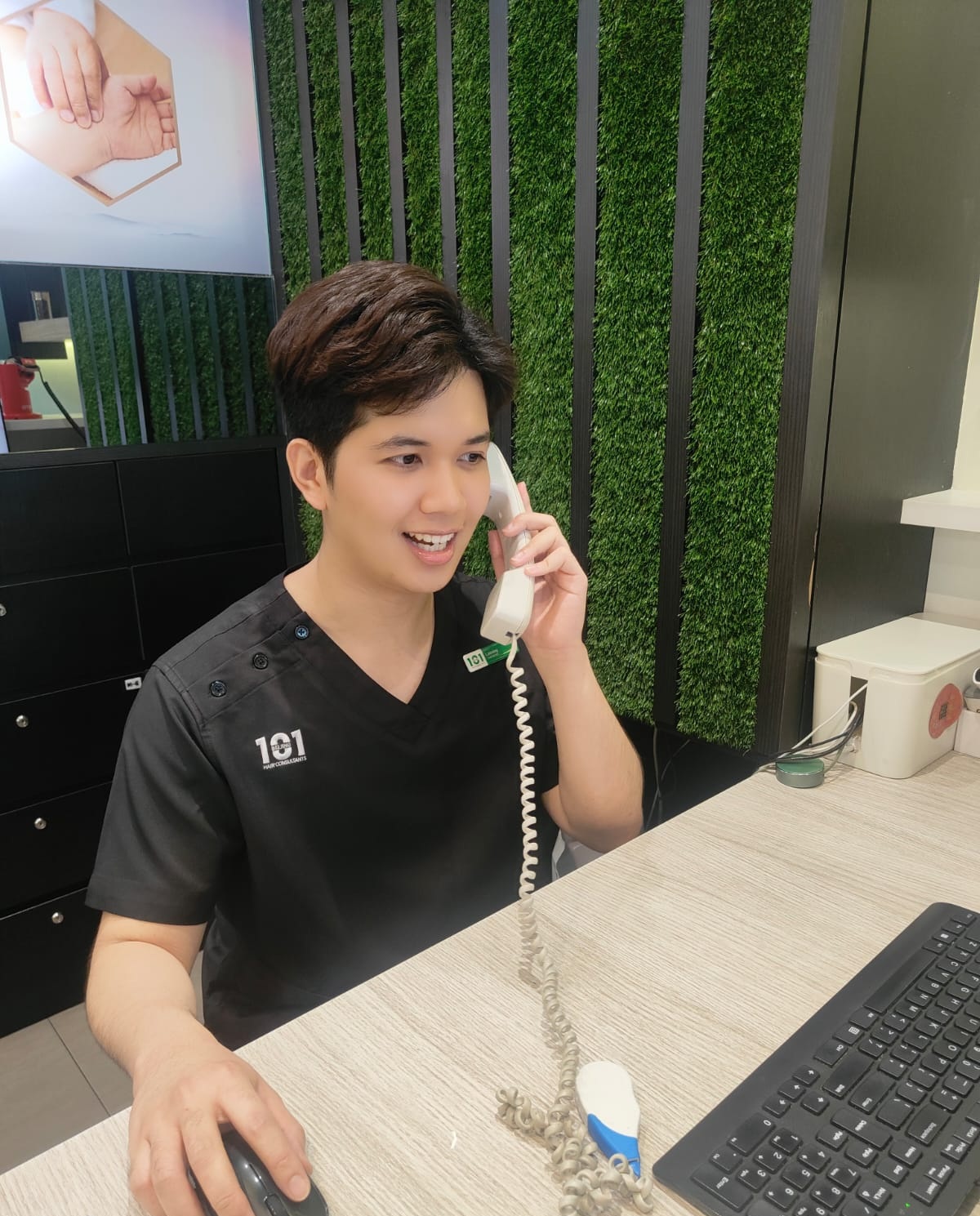
If you are ready to take the next step in your hair care journey, we encourage you to make an appointment with Beijing 101 and take the first step to restoring your hair health. For more information on hair care and scalp concerns, please call: 65588101 or WhatsApp: 96405730. A professional assessment ensures realistic expectations, customised recommendations, and a treatment plan designed to support hair and scalp health.
In Traditional Chinese Medicine (TCM), the scalp is considered more than the foundation for your hair; it is a living reflection of your internal health. Some people may treat hair loss or hair thinning as a cosmetic issue, which they feel can be hidden with hair products or styling. Whereas for TCM, it interprets the changes in hair and scalp as signals of deeper imbalances in Qi (life energy), blood, and organ systems.
A fast-paced life in Singapore can be a major contributing factor to hair loss for women and men. Rising stress levels, insufficient rest, unbalanced diet + unhealthy lifestyle habits (such as: smoking, excessive alcohol consumption) can elevate cortisol levels + disrupt the hair cycle, which may cause premature hair loss and/or hair thinning.
In fact, lack of sleep and constant stress are two of the most overlooked causes of poor scalp vitality. The effects of sleep deprivation + chronic stress extend beyond fatigue; they may disrupt the body’s repair cycle, which can weaken hair structure, trigger hair loss and/or hair thinning issues. TCM offers a unique perspective, connecting sleep quality, stress relief and scalp care wellness as key elements to a healthy hair growth cycle. By paying attention to what your hair and scalp need early, you can prevent hair loss, promote hair growth and restore scalp balance.
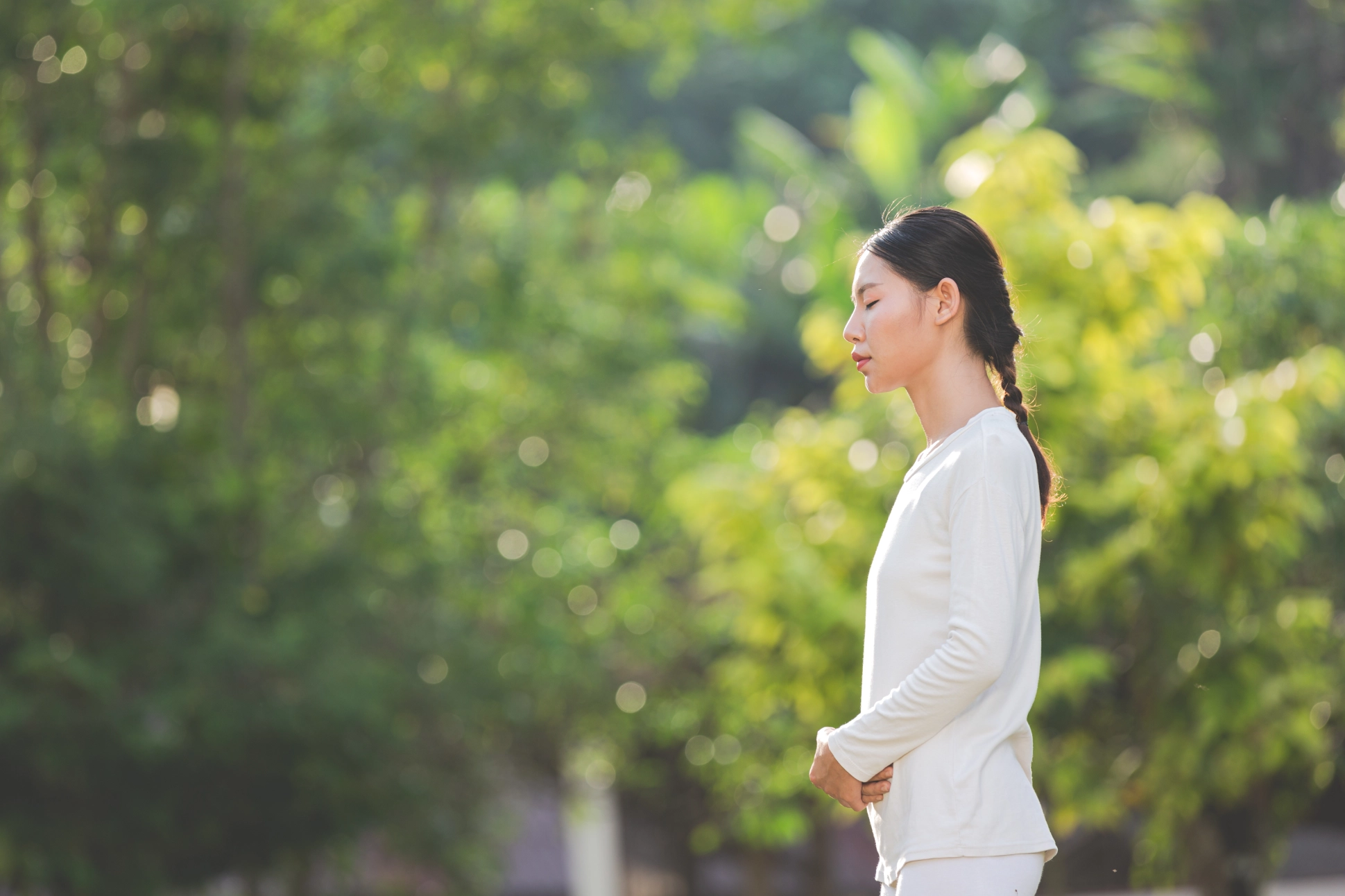
According to TCM, hair is more than a feature of appearance; it is regarded as a direct reflection of your internal health. The condition of your hair and scalp is closely linked to the state of your blood, Qi (vital energy), liver and kidney. Therefore, healthy circulation is important for delivering oxygen and nutrients, to encourage stronger, thicker hair growth and improve scalp health. When environmental, hormonal or nutritional imbalances occur, the hair and scalp can be the first to show signs and valuable insights, while acting as a reflection of your internal health + overall wellness. Blood deficiencies may leave hair follicles undernourished of oxygen and nutrients, causing weak hair that may lead to thinning or shedding.
In addition, poor circulation from stagnant Qi (energy) can also disrupt the delivery of oxygen, nutrients and vitamins.to hair follicles, resulting in delayed hair growth. Kidney essence depletion, often accelerated by chronic stress or the effects of sleep deprivation, may lead to premature greying, brittle strands and hair loss. Even Yin–Yang imbalance can be manifest as excessive dryness, oiliness, irritation or sensitivity.
From a TCM perspective, these external changes serve as signals of deeper disharmony within the body, such as: poor sleep health, elevated stress hormone levels, and poor lifestyle habits can reduce nutrient delivery to the scalp and accelerate the ageing of hair follicles. In other words, the link between overall well-being and scalp health is undeniable. Plus, your hair reflects how well your internal systems are functioning.
By paying close attention to these signs, you can detect disharmony early, preventing it from escalating into more severe conditions. In this way, the scalp acts as a diagnostic map, reminding us that caring for the hair begins with nurturing inner balance.
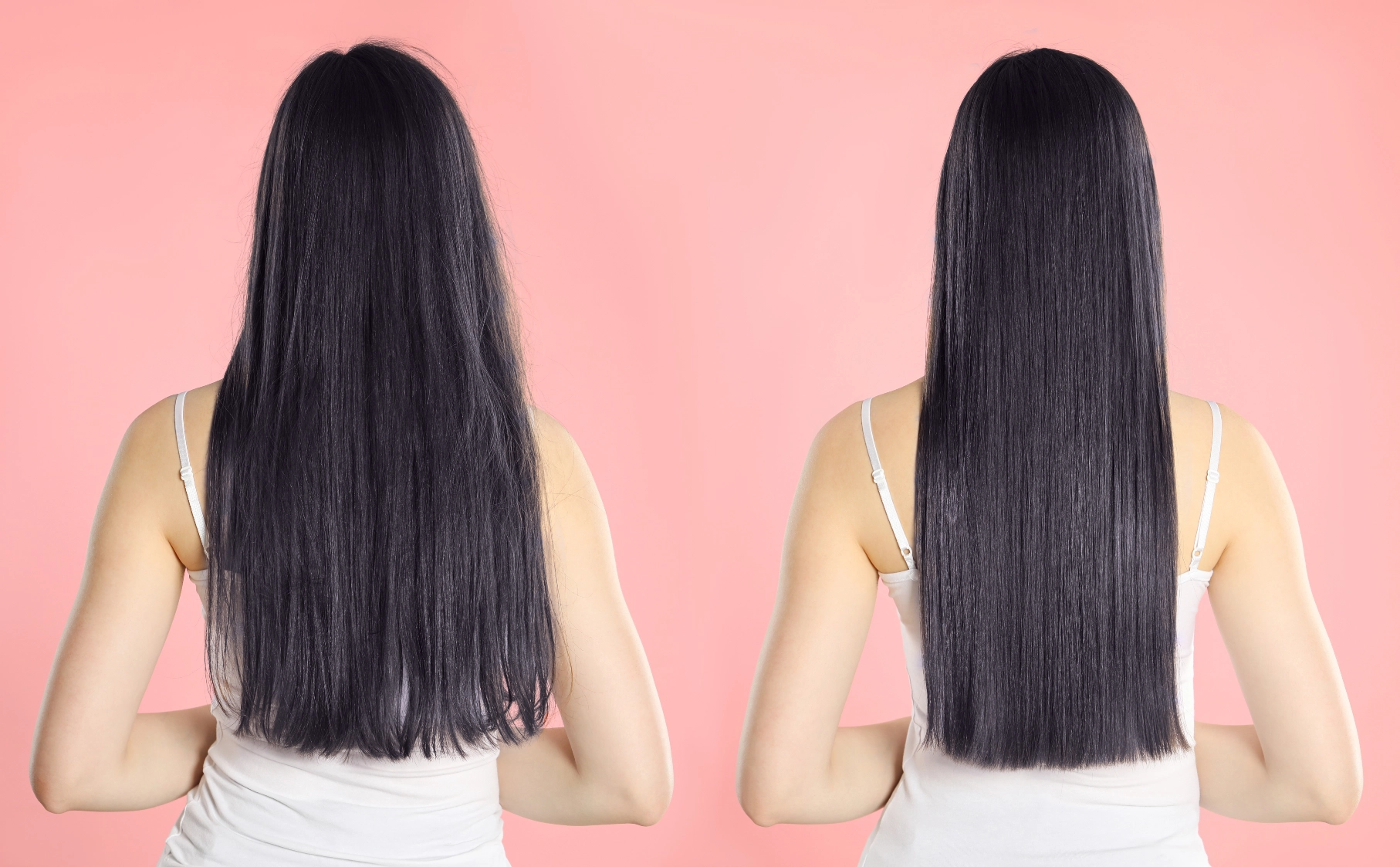
In TCM, the scalp and hair act as indicators of what is happening within your body. Different changes can signal specific imbalances, offering early warnings before deeper health issues may arise. In the following, let's explore the most common signs of hair and scalp issues and their meaning:
Premature greying in TCM is often linked to kidney energy deficiency or a decline in vital essence (Jing). The kidneys store this essence, which supports resilience and vitality. When it weakens due to stress, overwork, insufficient rest or poor diet and unhealthy lifestyle habits, hair loses pigment earlier than expected among young adults (such as between age 18 and 30), signalling an internal imbalance that needs attention.
Frequent or heavy shedding may indicate blood deficiency, poor circulation, or stress-induced imbalance. In many cases, chronic poor sleep may worsen the condition, showing the close link between hair loss and insomnia. Without adequate nourishment, follicles may weaken, hair thinning and/or hair loss may occur too.
An oily scalp in TCM suggests internal dampness and heat accumulating within the body. This imbalance may restrict oxygen flow, clog hair follicles, and can make hair look limp or greasy. If left untreated, excess sebum on the scalp can weaken root stability, causing undesirable conditions, such as: itching, irritation, inflammation, dandruff, hair loss and/or hair thinning.
Brittle, lacklustre hair reflects yin deficiency and insufficient nourishment reaching the scalp. This deficiency leaves hair vulnerable to thinning, breakage, frizz, and dullness. In TCM, such dryness often points to deeper imbalances, lacking of nourishing blood or kidney energy. Addressing it requires nourishing yin and strengthening roots with herbs, diet, and rest.
Based on TCM principles, persistent flakes and itching are indications of internal disharmony, that also means Damp Heat (湿热 - Shī Rè) or Wind Heat (风热 - Fēng Rè) are affecting the scalp. These imbalances can irritate, cause inflammation and dryness on the scalp. There is also a connection between sleep quality and scalp conditions, as insufficient rest impairs the body’s ability to repair and scalp recover.
Sleep plays a crucial role in both physical and emotional well-being, and in TCM, it is regarded as a fundamental element of hair vitality. Poor rest disrupts the flow of Qi and the body’s natural restorative process, which can impact hair health. Below, we examine how sleep and hair growth are interconnected from various perspectives.
Yes, in TCM, restful sleep is essential for replenishing Qi. When you experience sleep deprivation, these Qi reserves weaken, leaving hair roots undernourished. Over time, hair follicles lose strength, resulting in thinning and slower regrowth. Restoring sleep quality is crucial to maintain scalp vitality and support healthy hair growth.
The relationship between hair loss and insomnia can form a vicious cycle. Stress or hormonal imbalance often leads to a lack of sleep, which can disrupt circulation and accelerates hair shedding. The visible signs of hair thinning may trigger greater anxiety, further disturbing rest. Lack of sleep can also weaken Qi in TCM, leaving hair follicles undernourished and fragile. Since restful sleep is vital for restoring balance, TCM therapies focus on calming the mind, improving rest quality, and improving hair and scalp health.
Deep sleep enhances blood flow and oxygen delivery to the scalp, providing hair follicles with the nutrients needed for healthy hair growth. A lack of sleep can contribute to hair loss.. Prioritising rest is a natural and powerful way to improve hair and scalp health over time.
Disrupted circadian rhythms and high cortisol levels impair scalp function. Stress hormones can trigger inflammation and restrict circulation, weakening roots. Aligning sleep patterns with natural body rhythms supports both physical and emotional balance, highlighting the strong connection between sleep and hair growth.
Without proper sleep, even the best external treatments may deliver limited results, as the body lacks the foundation to sustain healthy hair.
TCM offers a comprehensive toolkit for restoring balance and promoting scalp vitality. From targeted herbs to mindful lifestyle practices, these approaches work together to address both internal and external imbalances. The following are the key methods in TCM supporting stronger, healthier hair.
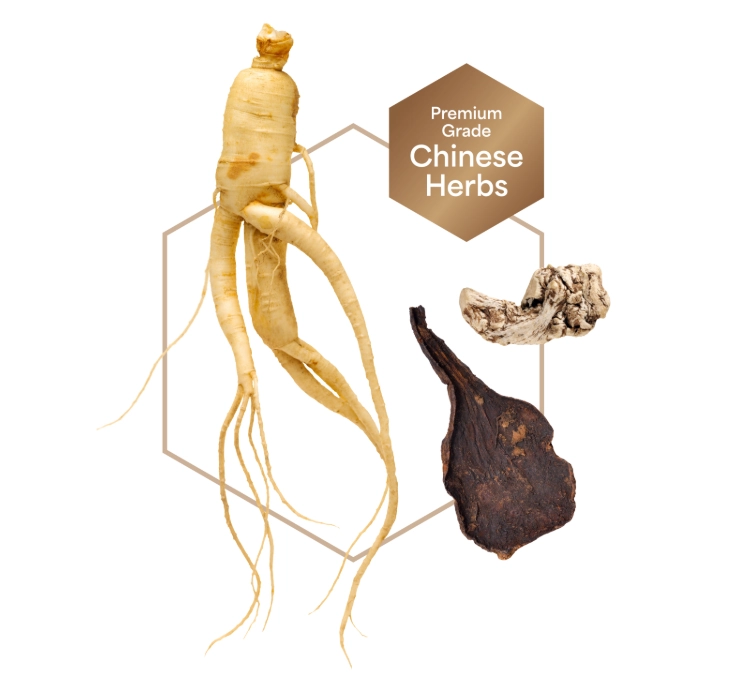
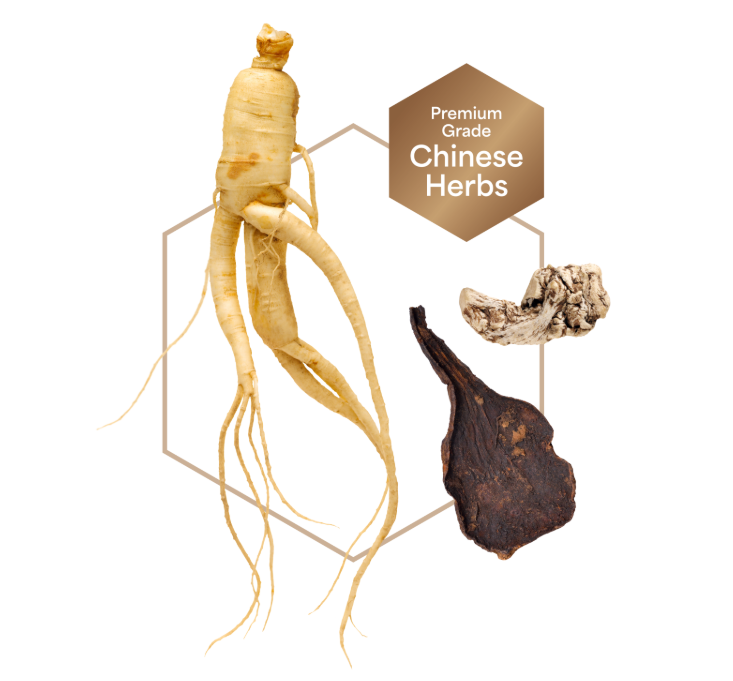
In TCM, herbs are central to restoring balance and promoting hair vitality, such as:
Together, these three premium TCM herbs for hair can help to calm the mind, reduce stress, and fortify the scalp.
Acupressure and head massage on the meridian points help to release head tension, improve Qi flow, and boost circulation to the scalp. With these TCM methods, hair follicles can receive the oxygen and nutrients needed for stronger hair growth. Beyond physical benefits, these therapies are deeply relaxing, providing natural TCM stress relief while reducing stress-related hair shedding and promoting a healthier scalp environment.
Diet is viewed as medicine in TCM, with nutrient-dense foods chosen to rebalance the body. Black sesame seeds, walnuts, and red dates are recommended for strengthening hair roots and improving blood quality. Leafy greens nourish the liver, while whole grains stabilise mood and energy. Together, these foods address both emotional balance and scalp nourishment.
A balanced lifestyle is essential for sustaining results. TCM encourages mindfulness, breathing exercises, and restful routines to regulate stress and improve sleep. Since sleep and hair loss are closely linked, these practices support both inner peace and scalp vitality. Over time, a calm mind combined with healthier daily habits strengthens hair resilience.
While general signs can be insightful, every scalp is unique. No two people experience hair changes in the same way, which is why a personalised approach is essential for meaningful results. In TCM, even the same symptom, such as hair shedding, may stem from completely different causes, from blood deficiency to kidney essence depletion, or simply the effects of sleep deprivation.
A personal one-on-one consultation at Beijing 101 begins with a detailed scalp analysis scan analysis, ensuring that each treatment plan targets not only the visible symptoms but also the underlying causes of imbalance. By addressing both external concerns and root issues, our consultations deliver more than just temporary relief; they also provide solutions that improve scalp conditions and promote healthy hair. This tailored approach empowers customers to rebuild confidence while also supporting overall wellness, making hair care a truly holistic journey.

As per TCM, your hair and scalp are powerful indicators of your internal health. From premature greying to excessive shedding, these signs often indicate deeper imbalances. By focusing on sleep quality and scalp wellness and addressing the link between hair loss and insomnia, you can prevent long-term issues while nurturing both body and mind.
Book a consultation with Beijing 101 today to decode your hair’s signals, restore balance, and discover a path to stronger roots and a healthier scalp inside and out.
For more information on hair care and scalp concerns, please call 65588101 or WhatsApp 96405730.
In Singapore’s fast-paced living, it’s easy to feel like your mind is racing even during the MRT ride home. Imagine this: after weeks of late nights at the office and exceeding daily coffee consumption, it wasn’t another caffeine fix that could help you to stay alert, but a bowl of nourishing herbal soup could enhance your overall well-being. In Traditional Chinese Medicine (TCM), this simple act of nourishment may restore the balance of Qi (vital energy), calm the mind, and strengthen the body.
TCM offers a holistic solution which can balance the body, mind, and hair + scalp health at the same time. By integrating TCM stress relief techniques, TCM herbs for hair + scalp, and mindful nutrition, it is possible to calm the mind while achieving herbal benefits for hair and scalp.

In TCM, stress and emotional imbalance can disrupt the body’s natural harmony. They may affect the flow of Qi (life energy), cause poor circulation, and weaken vital organ systems that can influence scalp nourishment and hair vitality. Two of the most important systems linked to hair health are the liver and the kidneys.
The liver plays a central role in regulating the smooth flow of Qi and storing blood, both of which are essential for healthy hair. When the liver is balanced, it ensures that blood circulates freely to nourish the scalp and hair follicles.
When the stress hormone accumulates, liver Qi becomes stagnant, leading to symptoms such as irritability, tension headaches, and poor circulation. This stagnation may impact scalp health by reducing the delivery of nutrients and oxygen to the hair roots. Over time, the hair may become thinner, weaker, or more brittle. From a TCM perspective, caring for the liver with a healthy diet, TCM herbs, and emotional balance can help to support strong, resilient hair.
In TCM, the kidneys are considered the foundation of vitality and the “storehouse of Jing” (essence), which governs growth, reproduction, and hair strength. Jing helps to nourish the roots of the hair, prevent thinning hair and premature greying. Chronic or intense stress, anxiety, or exhaustion depletes Jing (vital essence), which may weaken the body’s reserves and lead to hair loss.
If Kidney Jing decline further, hair may lose its density and start to thin gradually, reflecting the deeper imbalance within the body. Strengthening your kidneys through rest, restorative herbs, and proper nutrition are essential for replenishing + restoring Jing to improve the body’s foundation and support hair vitality.
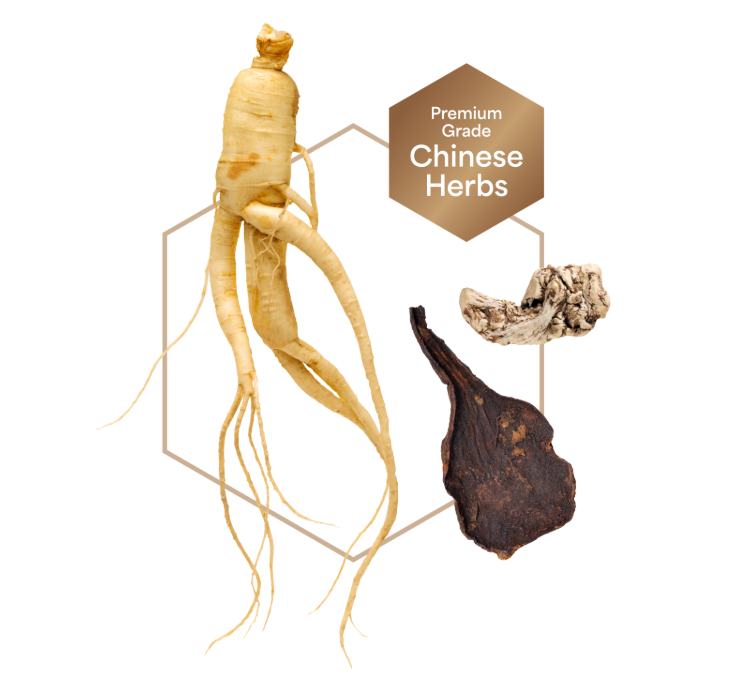
Chinese herbs are fundamental components of TCM (Traditional Chinese Medicine) to restore balance for both mind and body. In the context of hair care, they do more than just address scalp conditions; they can help to calm + relieve stress, regulate heart rate, improve circulation, and strengthen hair follicles, promote hair growth and reduce hair loss.
For those looking to combine TCM herbs for hair and scalp care, stress relief and overall wellness, the following three premium Chinese herbs are the most recommended.
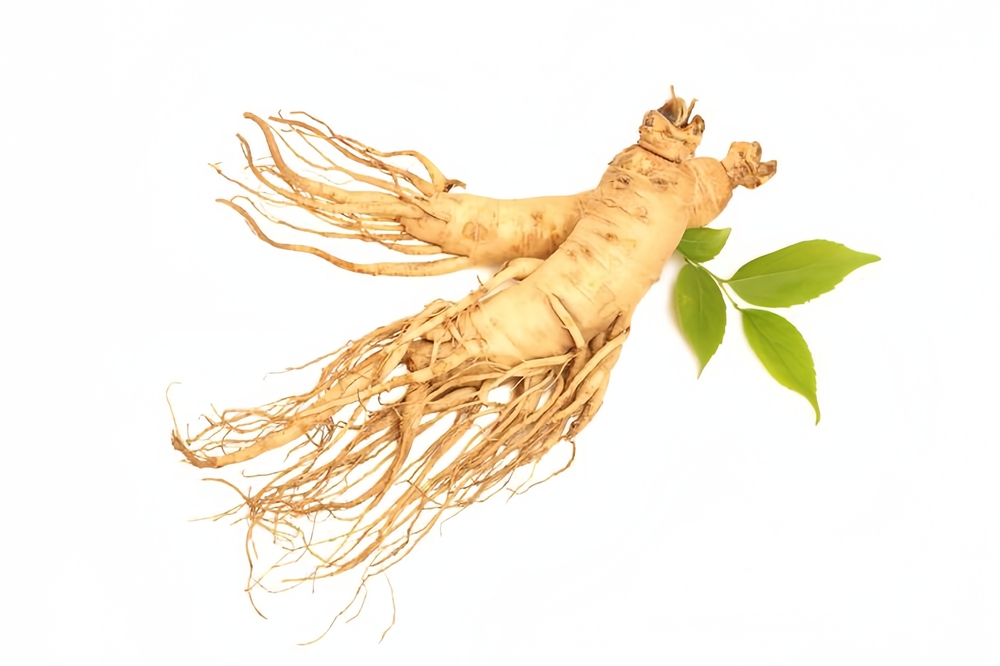
Ginseng is a powerful adaptogen that helps to enhance the body’s immune system, improve physical endurance, lower blood sugar and reduce stress while restoring energy levels. As for hair health, it helps to boost circulation and improve scalp nourishment. By balancing stress factors, ginseng also helps to prevent hair fall and support hair regrow.
Often referred to as the “female ginseng”, Dang Gui can help to regulate menstruation and alleviate pain for women. It is also valued for its ability to enrich and invigorate the blood. Plus, Dang Gui helps to improved scalp circulation and encourage hair growth, while providing its calming properties to reduce stress and tension. This dual action is ideal for women experiencing stress-related hair loss issues.
One of the most popular + renowned TCM herbs to tackle premature greying, He Shou Wu is traditionally used to boost energy, improve liver and kidney functions.. By replenishing kidney essence (Jing) and enhancing vitality, it can support hair growth, promote hair darkening and reverse premature greying.

In TCM, food is considered a form of therapy. A well-balanced diet (rich in nutrients and antioxidants) can provide a defense against diseases. In addition, it can maintain internal balance, support mental wellbeing and improve hair + scalp health. Incorporating nutrient-dense, calming foods into your daily diet can also help to reduce stress, restore balance, and provide essential nutrition for your hair + scalp. Here are some of the top TCM-recommended foods that can ease stress while encouraging healthy hair growth.
In Traditional Chinese Medicine (TCM), red dates are used to nourish the blood and tonify Qi (energy), restore energy, and reduce fatigue. They are especially valued for their ability to support emotional well-being, making them a common addition to teas and soups. In addition, red dates can help to reduce hair loss, promote healthy hair and scalp health.
Highly considered as a tonic in TCM, black sesame seeds are packed with essential minerals such as calcium, magnesium, zinc and iron. These nutrients can help to strengthen hair, promote hair growth and reduce hair breakage while nourishing the scalp and improving scalp circulation. In addition to supporting scalp health, they are also believed to slow premature greying and reduce inflammation. Adding them to porridge, smoothies, or baked goods is an easy way to enjoy their benefits.
Walnuts are considered a superfood for both the body and mind. Rich in plant-based omega-3 fatty acids, and antioxidants, they can help to reduce inflammation, improve circulation and nourish the hair follicles. From a TCM perspective, walnuts also have calming properties that ease anxiety, reduce stress and support emotional balance. A handful of walnuts daily can help to reduce stress levels and improve hair vitality.
Dark leaty vegetables such as spinach, kale, and bok choy are essential for liver health in TCM. Since the liver plays a key role in regulating emotions and circulating blood, keeping it nourished is vital for both emotional balance and hair growth. Plus, dark leafy vegetables are rich in iron, which support follicle strength and prevent premature hair loss.
Whole grains like oats, brown rice, quinoa, barley and millet are considered grounding and nourishing in TCM, helping to stabilise mood swings and providing steady energy levels. They are also high in B vitamins, which support the nervous system and reduce stress-related hair thinning and/or hair loss. Incorporating whole grains into daily meals can help to balance both emotional health and scalp vitality.
The key to using food as part of holistic hair care lies in balance. By combining calming ingredients with nutrient-rich options, you not only reduce stress but can also create the ideal conditions for your scalp and hair to flourish. These foods complement the effects of TCM herbs, forming a natural partnership between diet, emotional balance, and hair + scalp health.
Besides nourishing your body and enhancing overall well-being, scalp treatments can also offer incredible benefits. Meridian scalp massages, infused with TCM formula can help to relieve stress + tension in the head and neck, while boosting circulation, and promoting hair growth.
Consistency is one of the most important principles in TCM, as results come from steady nourishment rather than quick fixes. When Chinese herbal ingredients are integrated into your daily intake, they not only protect the hair and scalp but also restore balance in the body.
Simple daily habits, such as sipping Chinese herbal teas infused with He Shou Wu or Ginseng, can provide both mental calmness and physical nourishment. These teas can help to regulate Qi, reduce internal heat caused by stress, and deliver antioxidants that strengthen hair roots by improving scalp circulation.
Healthy hair is not only about what you eat or apply; it also reflects your emotional state. Daily mindful practices, such as meditation, breathing exercises, gentle yoga or scalp massage can help to reduce stress and improve your hair + scalp conditions. This stabilises hormone levels, reduces cortisol, and supports the concept of mental wellness and hair growth, where inner calm translates into stronger roots and healthier hair.
Stress is an inevitable part of life. However, its impact on your hair and scalp can be managed by embracing TCM practices, with the use of TCM herbs to nourish your body, ease emotional tension and tackle hair + scalp concerns
Take the next step in your hair and scalp care with Beijing 101. Make an appointment with Beijing 101 and take the first step in restoring your hair + scalp health. For more information on hair care and scalp concerns, please Call: 65588101 or WhatsApp: 96405730.
The link between mind and body is increasingly recognised in modern wellness, especially in hair care. More women and men in Singapore are adopting holistic hair care, understanding that stress, emotions, and mental health can affect their general health and also their hair + scalp.
One vital yet often overlooked factor is emotional balance. Hair thrives when the body and mind are in harmony, and conversely, prolonged stress or anxiety can disrupt growth cycles, which may lead to hair thinning, shedding, or dullness. Let's examine how emotional well-being and Traditional Chinese Medicine (TCM) practices can help restore balance and support stronger, healthier hair.
When we are under stress, the body may produce elevated levels of cortisol. This stress hormone interferes with the natural cycle of hair growth, which can cause follicles to enter the resting phase prematurely. The outcome? Increased hair shedding, delayed hair regrowth, and in some cases, noticeable hair thinning, for example: wide hair parting for female and receding hairline for men. In addition, for some women, periods of emotional strain, such as postpartum, work-related stress factors, or personal challenges, can correlate with hair loss issues.
The concept of mental wellness in hair growth is based on the fact that relaxation improves circulation. A calm mind can enhance scalp circulation, in delivering vital nutrients and oxygen to hair follicles. This supportive environment can strengthen hair roots and encourages hair growth.
Stress can negatively impact your hair and scalp health, such as: inflammation, dandruff, hair thinning, hair loss and/or itchy scalp In simple terms, healthy hair is less about quick cosmetic fixes and more about maintaining emotional stability and reducing stress triggers.
In TCM, the concept of Qi, the vital life energy flowing through the body, is central to both physical and emotional health. When Qi circulates freely, the body feels energised, and emotions remain balanced. However, stress, unresolved emotions, and unhealthy habits can stagnate Qi. This stagnation not only creates tension but can affect hair and/or scalp conditions, sometimes through hair thinning, brittle strands, or a weak scalp condition.
TCM recognises a deep interconnection between mental and physical health. Each major emotion can be tied to a specific organ system:
This holistic view explains why emotional balance is important for scalp and hair health.
The balance of Yin and Yang is a TCM principle that represents the cooling (nourishing) and warming (activating) forces in the body. Excessive stress creates too much Yang energy and heat that rises to the scalp and can cause irritation, inflammation, dandruff and/or oily buildup. Conversely, a deficiency of Yin can cause dry, itchy and/or undernourished scalp. Achieving harmony between Yin and Yang ensures the scalp to support healthy hair growth.
For TCM practitioners, maintaining emotional balance is not just about managing stress; it is seen as a form of preventive healthcare. By calming the mind and supporting emotional harmony, you protect your organs, preserve Qi (vital energy), and strengthen the roots that support healthy hair growth. From this perspective, hair loss is not merely a cosmetic concern but a reflection of deeper imbalances.

Premium Chinese herbs such as Ginseng, Dang Gui and He Shou Wu are often prescribed to calm the nervous system while nourishing the blood and kidneys. These TCM herbs can reduce restlessness, improve circulation, and provide essential nutrients for the scalp to support healthy hair growth.
Scalp massage with herbal-infused formula offers amazing benefits. It relaxes + relieves tense scalp muscles, improves circulation, and provides nutrients to the scalp and hair follicles. For those seeking mental wellness and hair growth, these massages can help to reduce stress while enhancing the scalp’s condition(s).
Acupoint massage techniques target points on the scalp, temples, and neck that correspond with stress relief. By targeting the meridians, consultants can help to release tension, restore Qi circulation, and encourage hair follicle rejuvenation. Many describe these treatments as deeply relaxing, making them an ideal combination of emotional therapy and scalp care.
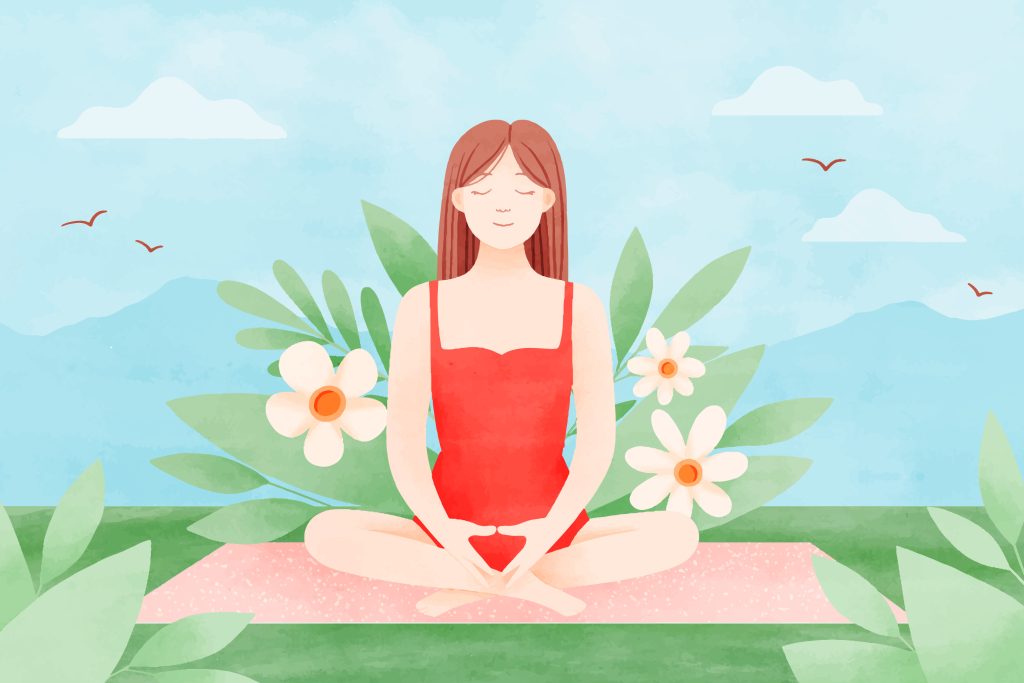
When stress levels remain high, cortisol can disrupt the natural hair growth cycle, forcing hair follicles into a resting state that may lead to shedding. By having emotional balance, it can help to lower cortisol production, while preventing hair loss. Over time, this may also help to reduce hair fall from stress-related factors.
A calm, relaxed mind encourages better circulation throughout the body, including the scalp. This improved flow delivers essential oxygen and nutrients to the scalp and hair follicles, strengthening their function. It also reduces inflammation, making the scalp less prone to irritation, dandruff, or sensitivity.
While off-the-shelf products may provide improvements, they do not address the root causes of hair and scalp concerns. Combining holistic hair + scalp care practices with personalised treatments, results can be sustainable. By nurturing both the mind and body, individuals may witness improvements to their hair and scalp, and also improvements in mood, sleep, and overall vitality.
The link between mental well-being and outward appearance cannot be overstated. Reduced hair shedding, improved scalp health, and fuller hair can create a visible difference that boosts self-confidence. This renewed self-esteem can further support emotional balance, forming a positive cycle where mental well-being and hair health reinforce each other.
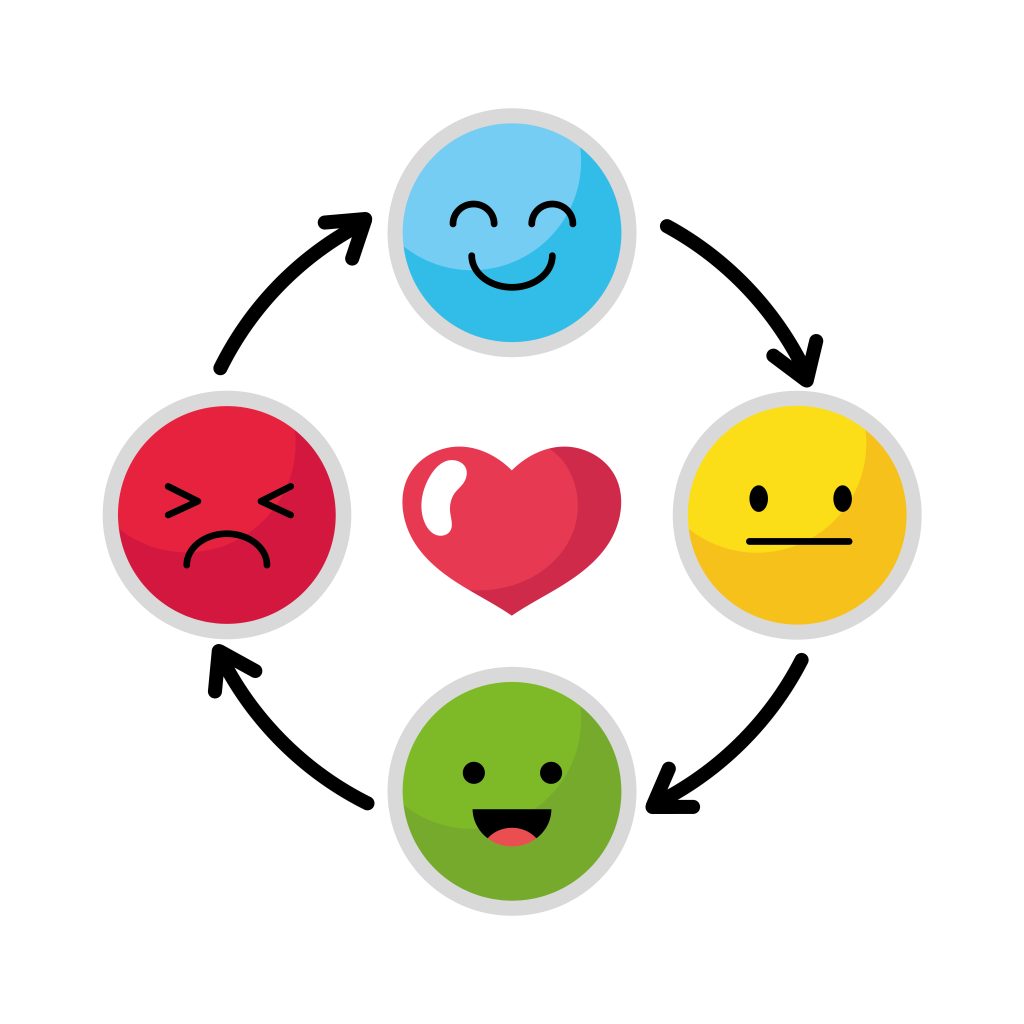
Hair is more than just a reflection of external beauty; it can mirror the state of our inner well-being. By nurturing emotional balance, we not only reduce stress-related hair loss, but also create an environment where hair can thrive. TCM offers various methods that blend emotional and physical wellness, to provide a truly holistic hair and scalp care solution.
Ready to restore balance for healthier hair and scalp? Make an appointment with Beijing 101 and take the first step to restoring your hair and revitalising your scalp. For more information on hair care and scalp concerns, please Call: 65588101 or WhatsApp: 96405730.
A healthy scalp is the foundation of strong, beautiful hair. When your scalp is well-balanced, your hair thrives. However, when it's imbalanced, problems may appear at your hair and scalp. Hair strands may look limp, frizzy, dry, or thin. Scalp may show signs of excessive oiliness, dryness, flaking, and/or irritation that need attention. Addressing these issues early is crucial in preventing concerns such as hair loss or premature greying.
An oily scalp is one of the most common signs of scalp imbalance, yet it is frequently misunderstood. Many assume it simply results from poor hygiene or unwashed hair, but the reality is far more complex.
Excessive oiliness can stem from both internal imbalances and external triggers that can lead to overactive sebum production, the primary cause of an oily scalp. Recognising these signs early is essential, as it allows you to take the right steps toward effective oily scalp treatment..
If your hair becomes greasy, limp, or flat just a day or two after washing, it can be a sign of an oily scalp. Overactive sebaceous glands coat the roots in excess sebum, weighing strands down and leaving them lifeless despite frequent cleansing.
Oil build-up can clog hair follicles, trapping impurities and bacteria. This may create an environment prone to itchiness, redness, or even scalp acne. Over time, clogged pores weaken roots and disrupt healthy hair growth.
An oily scalp may cause flaky buildup resembling dandruff, but it stems from excess sebum and yeast imbalance rather than dryness. In more severe cases, congested hair follicles may develop into scalp acne or pimples, which can aggravate and/or irritate the condition(s).
By understanding the real signs and causes of oily scalp issues, you can avoid falling for myths and focus on tailored scalp care solutions.
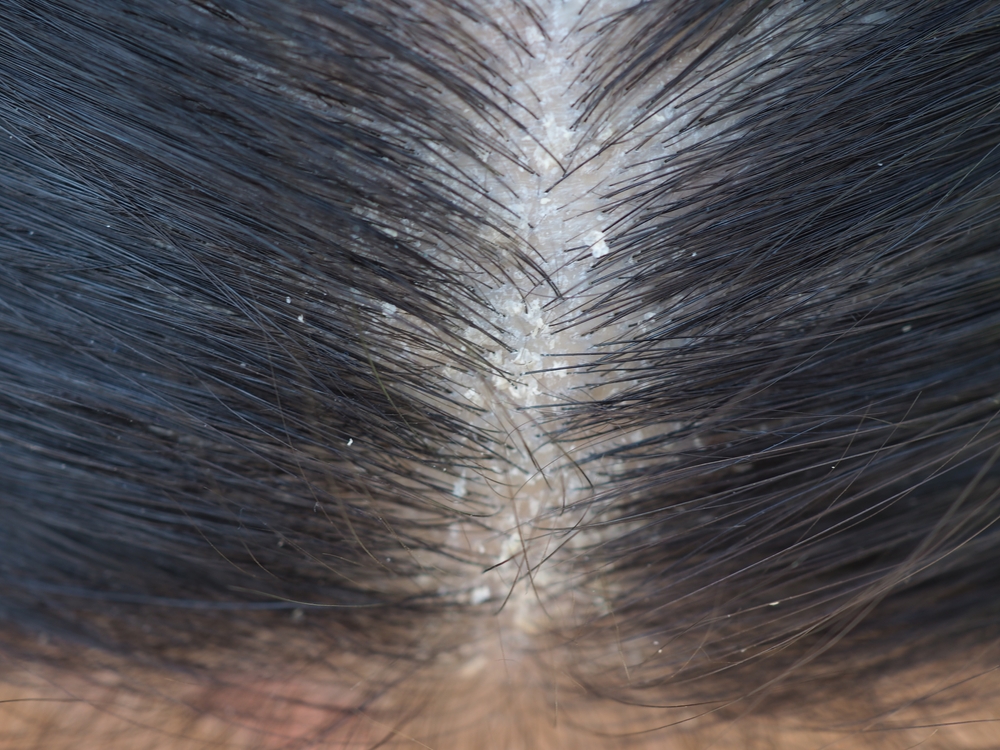
A dry scalp can be just as troublesome as an oily one, which may lead to itching, flaking, and brittle hair. However, many people confuse dry scalp with dandruff and/or overtreat it with harsh products, which can worsen the condition. Getting the solution for dry scalp condition(s) starts with identifying the signs and symptoms.
A dry scalp feels tight and/or uncomfortable, accompanied by visible flakes around the crown and/or hairline. Unlike dandruff, these flakes are light, dry, and powdery, signalling insufficient natural oils and hydration. If left untreated, this dryness can worsen irritation and weaken the scalp’s natural barrier.
When the scalp lacks adequate moisture and nutrients, hair strands may become weak. This results in dull, brittle hair that can break easily and appear frizzy. Over time, scalp dehydration may rob hair of its natural elasticity, making hair strands more vulnerable to breakage and damage.
An itchy scalp without the presence of grease is a strong indicator of scalp dryness. Many confuse this symptom with dandruff, but in reality, it stems from inadequate hydration rather than excess oil. Recognising this difference is crucial for selecting an effective dry scalp solution.
Unlike an oily scalp, dryness reflects a lack of nourishment and hydration at the root level. Treating it effectively requires restoring balance, such as using TCM methods, a well-balanced diet, hair and scalp treatment solutions.

Because oily and dry scalps share overlapping symptoms, it's not always easy to know which scalp type you have. Flakes, itchiness, and irritation can occur in both conditions, which can affect others to use the wrong products. To ensure you choose the correct treatment for your hair and/or scalp, it’s important to do a careful assessment.
A simple way to understand your scalp type at home is to observe how it looks and feels after cleansing.
The simplest self-check involves washing your hair and observing the roots. If grease builds up quickly, you likely have an oily scalp. If roots remain clean but feel tight or flaky, dryness can be the cause.
Paying attention to your hair and scalp can provide clues to the type(s) and condition(s). For example: Limp, flat hair may indicate oiliness or scalp buildup. Brittle hair may indicate dryness, chemically-damaged hair or lack of protein.
Your scalp’s comfort level also offers hints. Frequent scalp itchiness paired with grease may suggest an oily scalp, while itchiness without shine or oil may indicate scalp dryness. Discomfort should never be ignored, as it may signal scalp imbalance.
Together, these simple checks offer valuable clues about your scalp condition and whether it requires specialised care + treatments.
Scalp and hair issues are not always simple; many symptoms may overlap. Flakes, for instance, can occur in both oily and dry scalps but originate from very different causes. For oily scalp, excess sebum and yeast growth produce greasy flakes, whereas for dry scalp, inadequate moisture can cause powdery dandruff. Without properly analysing the scalp condition, it can be difficult to choose an effective hair and/or scalp treatment or picking the right hair products. This not only fails to address the underlying issue but can also lead to prolonged discomfort, irritation, and further imbalance.
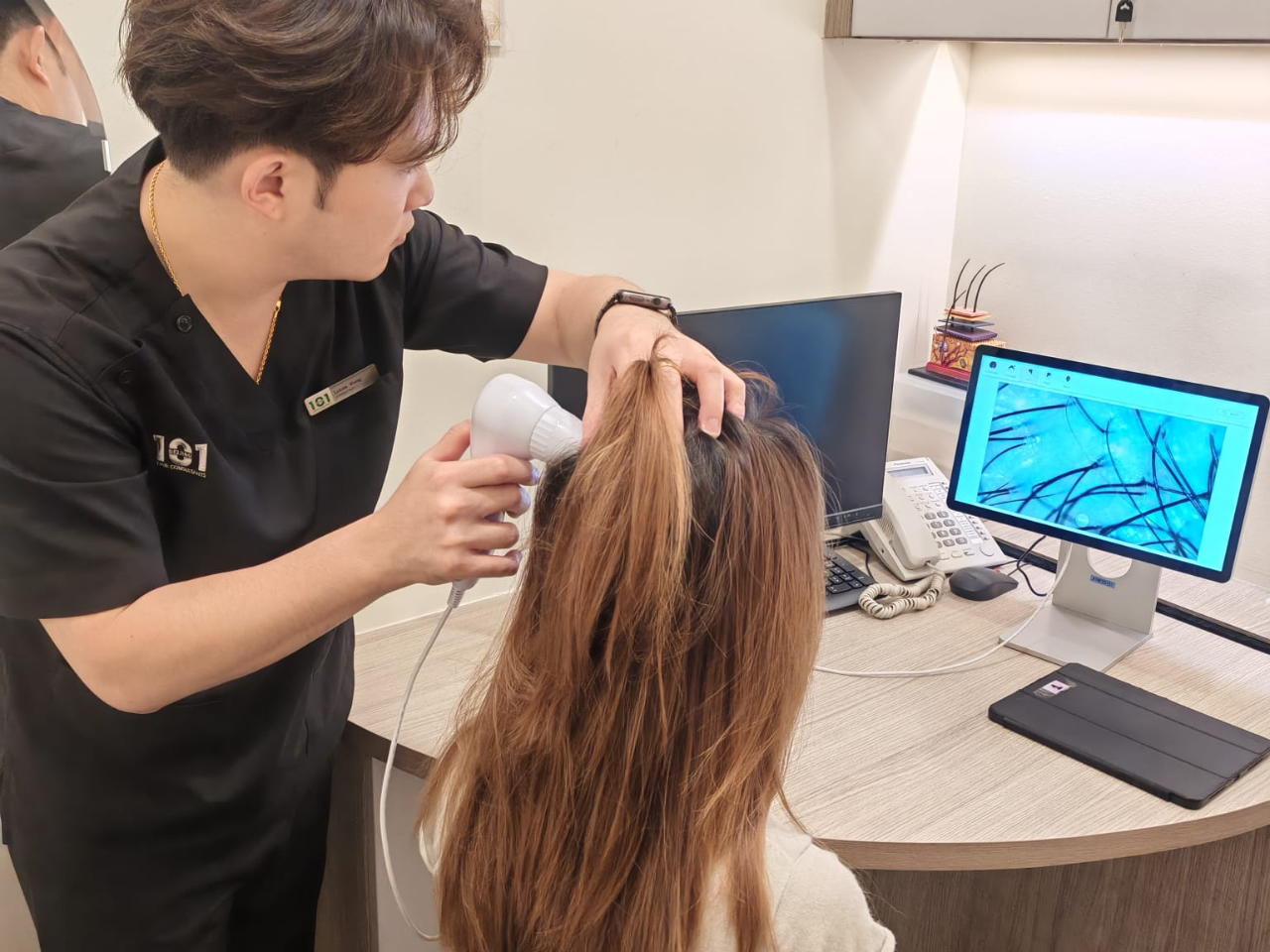
Because scalp issues can share similar outward signs, professional analysis is a reliable way to identify your true condition(s). At Beijing 101, consultants utilise advanced diagnostic tools to examine the scalp in detail, detecting hidden issues such as clogged scalp pores, buildup, impurities and/or other scalp conditions, or poor circulation. This scientific approach can eliminate guesswork and ensure an accurate diagnosis.
With the right information, our consultants can recommend either an oily scalp treatment or a dry scalp solution that targets the root cause, helping you restore balance, improve scalp health, and protect + repair your hair.
While self-checks at home can provide helpful insights, nothing replaces the accuracy of a professional analysis. We can help to identify your true scalp condition and enable tailored solutions to treat the root cause.

Scalp care requires more than temporary fixes; it calls for customized solutions. At Beijing 101, we treat oily and dry scalps not as isolated issues but as symptoms of deeper imbalances.
Every scalp is unique. Our consultants will begin with a detailed scalp analysis to address your specific concerns. Thereby, they can customise hair and/or scalp treatments, based on your analysis, to help restore balance and prevent recurrence. These targeted solutions can boost hydration, strengthen the scalp barrier, and help prevent scalp dryness.
An effective solution to hair and/or scalp problems requires addressing both internal imbalances and external symptoms. By combining traditional TCM methods with modern technology, Beijing 101 delivers comprehensive care. From herbal therapies and hair + scalp treatments to lifestyle guidance, we can help to restore harmony, reduce scalp discomfort, and promote hair growth.
Our treatments are personalized to provide effective solutions for oily and dry scalp conditions. With premium herbal formula, scalp detox treatments, and therapeutic head + scalp massages, - we can help to nourish hair follicles, boost circulation, and reduce scalp blockages. In addition, these non-invasive TCM solutions can revitalise the scalp environment, creating an ideal foundation for healthier, fuller, and stronger hair growth.
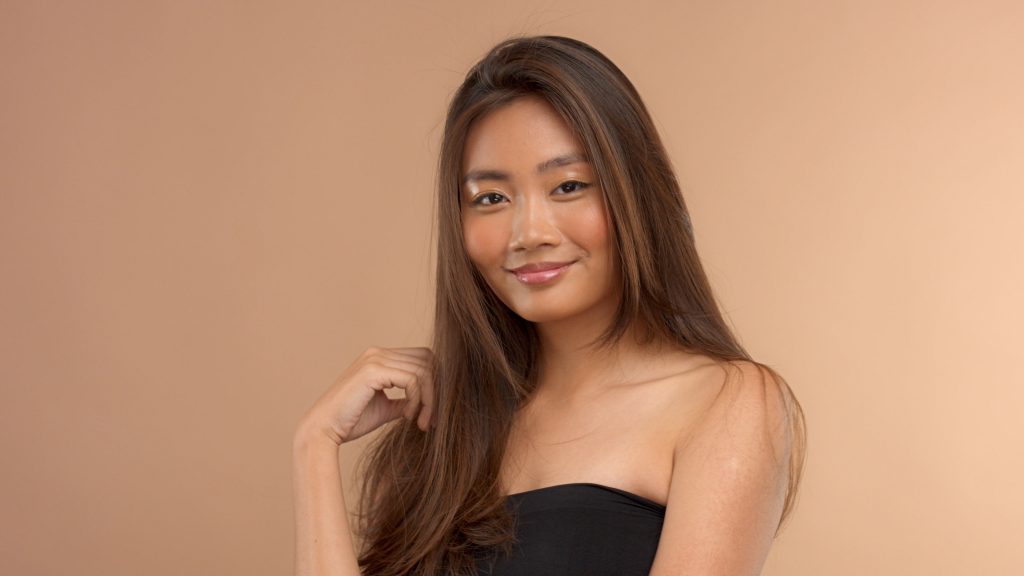
Scalp health is important for stronger, healthier hair. By recognising scalp imbalance signs early and seeking the right professional treatments, you can prevent long-term hair concerns while restoring resilience, and volume.
Book your consultation with Beijing 101 today to accurately identify your scalp type and receive a treatment, tailored just for you. With our TCM-based expertise, you can address the root cause, not just the symptoms.
For more information on hair care and scalp concerns, please call 65588101 or WhatsApp 96405730.
Dandruff is a common scalp condition that affects people of all ages and hair types, yet it is often misunderstood or confused with other scalp issues such as dryness or product buildup. It is typically identified by symptoms such as white or yellow flakes, itchiness, an oily scalp, and, in some cases, redness or irritation. These signs may seem minor at first but can indicate deeper scalp health concerns if left unaddressed. For many people in Singapore, the hot and humid climate can worsen scalp-flaking causes, making it important to recognise and treat dandruff early with the right approach.
While dandruff is typically associated with scalp flaking, not all flakes are the same. An oily scalp can cause flakes to clump together, leading to greasier, more noticeable patches. Seborrhoeic dermatitis is a more persistent condition, involving inflammation, stubborn flakes, and scalp discomfort. Unlike occasional dryness, these issues indicate a disruption in scalp health, which can affect the long-term strength and growth of your hair.
Scalp issues like dandruff and excess oil are not purely cosmetic; they directly influence hair growth. Clogged hair follicles, inflammation, and a poor scalp environment can lead to hair thinning and reduced density over time. This is why addressing scalp flaking early is crucial for maintaining strong, healthy hair.
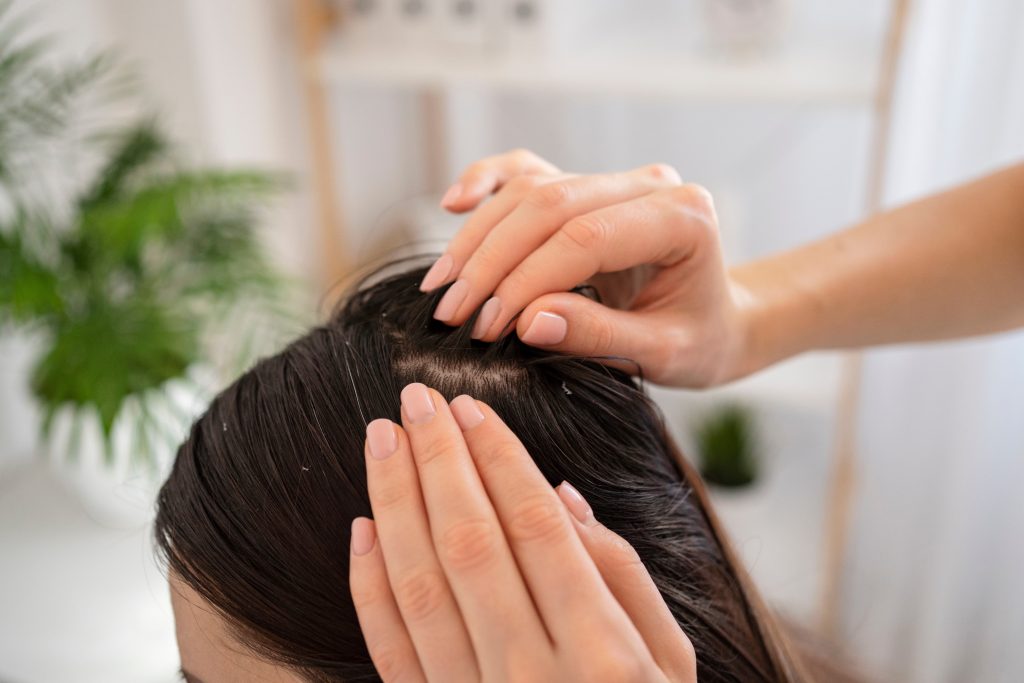
In Traditional Chinese Medicine (TCM), dandruff and oily scalp can be considered as signs of deeper internal imbalances. TCM practitioners believe that restoring harmony within the body can improve scalp health naturally and sustainably.
Excess heat in the liver system can cause inflammation in the scalp, making it prone to redness, itching, and irritation. This heat imbalance often manifests as oily flakes and discomfort.

When the body lacks sufficient nutrients, the scalp may receive less nutrition, resulting in dryness, weakened hair follicles, and increased flaking. Blood deficiency can also make the hair brittle and more prone to shedding.
“Qi”, which is your body’s vital energy, needs to flow freely for optimal health. Emotional stress, tension, or poor lifestyle habits can block Qi circulation, slowing scalp recovery and making dandruff harder to manage.
Considered one of the primary scalp flaking causes in TCM, damp-heat refers to excessive internal moisture and heat that disrupts the scalp’s natural oil balance. This can lead to oily build-up, visible flakes and dandruff.
Myth 1: Dandruff Only Comes from Dry Scalp Condition
While dryness can lead to flaking, many people in Singapore experience oily dandruff, where excess sebum mixes with dead skin cells to cause visible flakes. This type of dandruff requires a customised treatment.
Myth 2: The More You Wash, the Better You Get Rid of Dandruff
Overwashing strips away the scalp’s natural oils, forcing it to produce even more sebum. This worsens both oiliness and scalp flaking over time. A balanced routine with the right scalp cleansing treatment is far more effective than frequent, harsh cleansing.
Myth 3: Dandruff Is a Result of Poor Hygiene
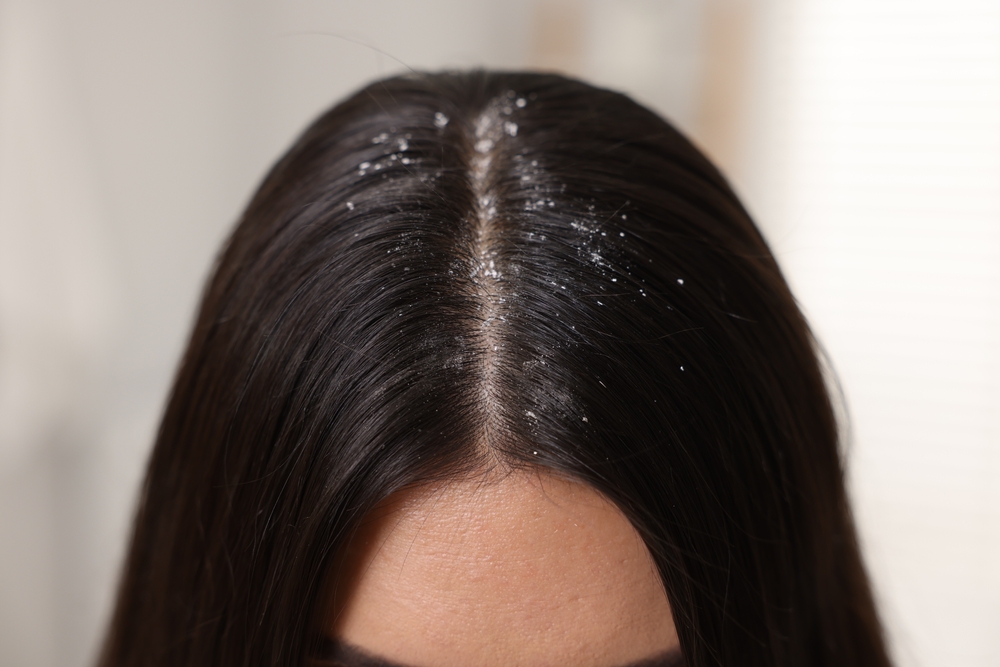
Contrary to popular belief, dandruff is not always caused by unclean hair. It’s often linked to yeast overgrowth, skin sensitivity, or internal imbalances. Therefore, it is better to seek professional help that addresses both scalp health and body balance.
For those with oily dandruff, harsh shampoos can strip moisture and trigger rebound oiliness. Instead, choose products that regulate sebum production while maintaining hydration, helping prevent flakes and irritation without disrupting the scalp’s natural protective barrier.
At Beijing 101, every dandruff treatment begins with a personalised scalp scan analysis to identify the exact causes of your dandruff and oiliness. This process helps pinpoint both visible scalp issues and underlying health imbalances that may be contributing to the problem.
TCM herbal scalp mask can help to reduce excess oil, and soothe scalp inflammation. By purifying the scalp, this treatment can help to create a healthier environment for hair and scalp.
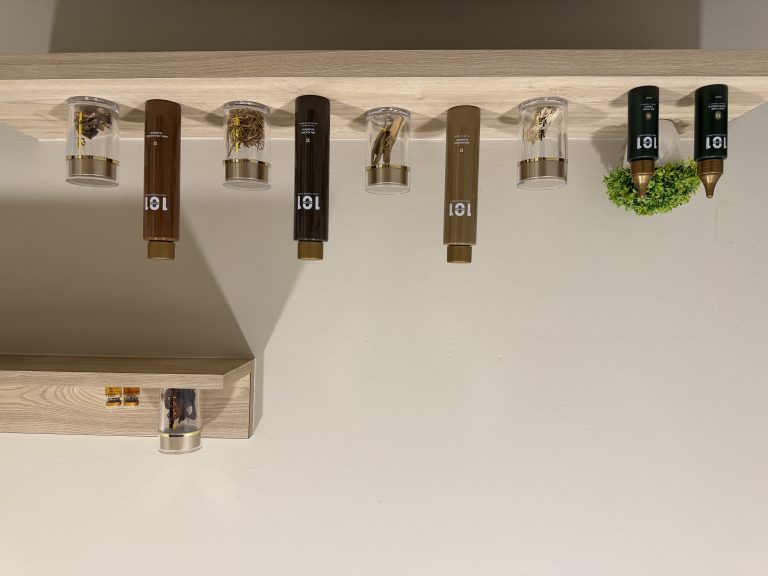
To maintain results between treatments, your consultant may recommend home-use products like shampoo, conditioner and/or lotion, designed for your hair and scalp types + conditions.
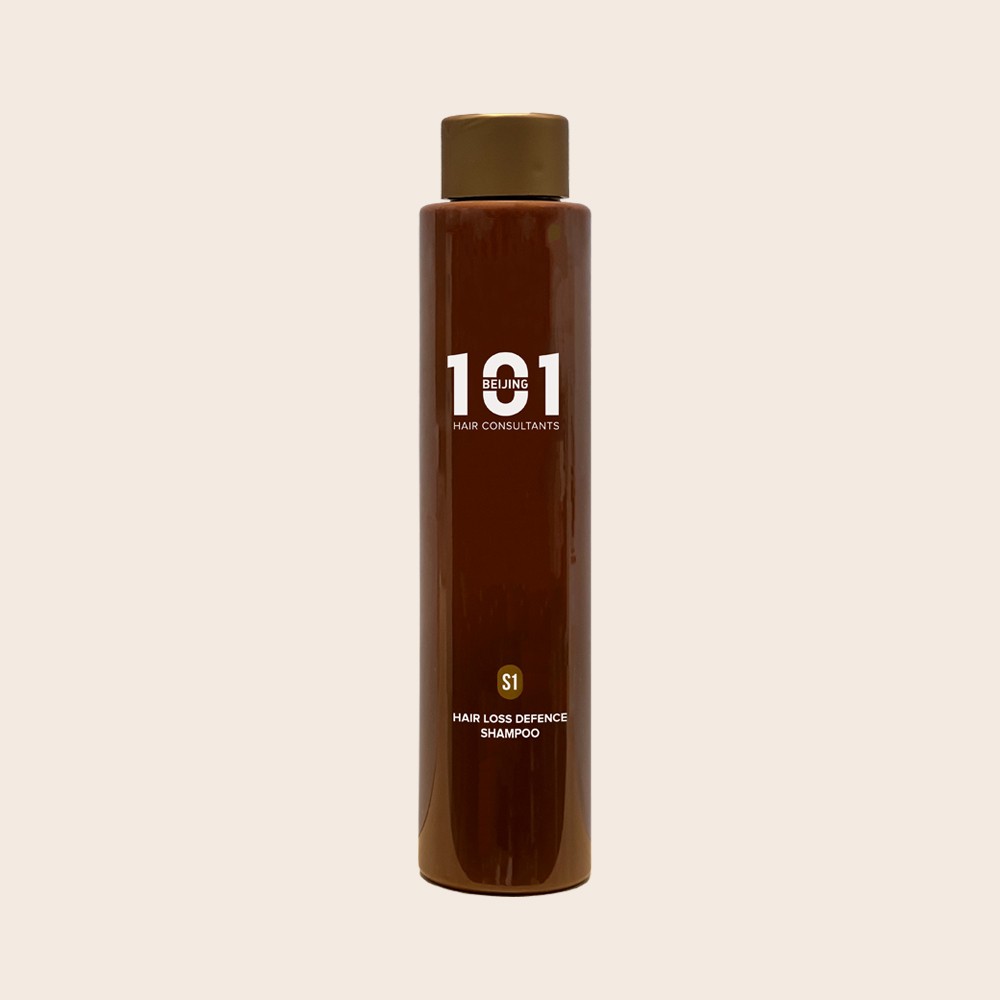
Specially designed for those struggling with oily scalp conditions, this shampoo blends traditional Chinese herbs to address dandruff, excess sebum production, while soothing irritation and restoring scalp balance.
By gently regulating oil levels, this product can help to prevent excess sebum on your scalp from clumping into visible flakes, effectively reducing irritation and discomfort. It can help to encourage a clean, breathable scalp environment that is vital for healthy hair growth.
A clean, balanced scalp is essential for healthy, vibrant hair growth. This product not only removes buildup but also encourages strong, healthy hair growth, making it a dual-action for targeting dandruff and hair revitalising solution.
Recommended for those experiencing oily flakes on the scalp and hair thinning, this shampoo delivers gentle yet effective cleansing without stripping away essential moisture, making it ideal for sensitive scalp, prone to irritation.

With more than 50 years of experience in dandruff treatments in Singapore, Beijing 101 combines the wisdom of TCM methods with modern technology. This unique blend allows us to target both visible dandruff symptoms and underlying imbalances, ensuring scalp relief and healthier hair growth.
We believe no two scalps are the same. That’s why Beijing 101 provides customised herbal hair and scalp treatments, designed to suit different scalp conditions, hair types, and lifestyle choices + habits.

Over the years, Beijing 101 has helped thousands of female and male customers achieve noticeable improvements and incredible results. Our results-driven methods are backed by success stories from satisfied customers in Singapore, making us the Most Trusted Hair Care Brand* for those seeking effective anti-dandruff treatments in Singapore.
*Research conducted by Ipsos, Feb 2024 (220 customers, Singapore)

Get rid of dandruff and reduce an oily scalp now. Make an appointment with Beijing 101 and take the first step to restoring your hair health. For more information on hair care and scalp concerns, please Call: 65588101 or WhatsApp: 96405730.
In addition, enhance your results with the Beijing 101 Hair Loss Defence Shampoo, a powerful herbal dandruff remedy that supports scalp detox, oil control, and stronger hair growth.
Hair loss was once associated with ageing, but not anymore. In Singapore, an increasing number of young adults under 30 are experiencing early hair thinning, excessive hair loss, or scalp issues. Traditional Chinese Medicine (TCM) offers a preventative, root-focused approach that addresses the underlying causes. In this guide, let's explore how TCM hair and scalp care treatments can help young adults with hair and/or scalp concerns, and why it might be the solution you’ve been seeking.
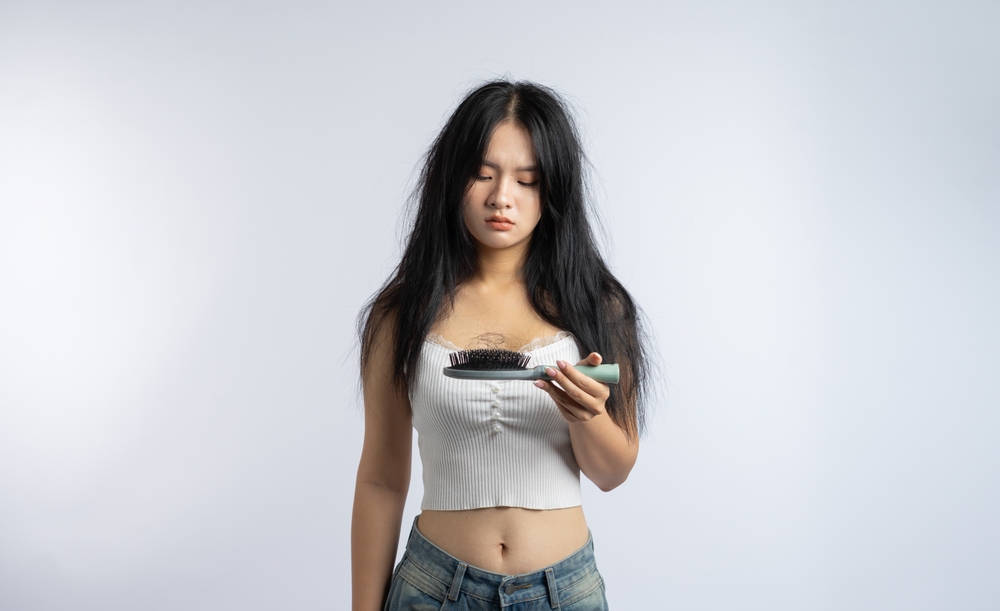
Many of us have optimal hair and scalp conditions during our teens and 20s. However, it’s increasingly common for individuals, between the ages of 18 and 25, to notice early signs of hair loss. Whether it’s a wide hair parting, hair thinning, receding hairline, more hair strands left in the shower drain, or scalp discomfort, these symptoms may suggest that you are having hair and/or scalp concern(s).
With the popularity of fast food, meal skipping, and highly processed snacks, many young adults lack essential nutrients such as iron, zinc, and biotin. These deficiencies weaken the hair roots and contribute to poor scalp health, resulting in increased hair shedding and slow regrowth.
Academic deadlines, job uncertainties, and social pressures all take a toll on the body. Prolonged stress elevates cortisol levels, which negatively affect hormonal balance and blood circulation, both crucial for maintaining healthy hair and scalp.
Late-night screen time and irregular sleep cycles disrupt the body’s natural repair process. The scalp, like skin, rejuvenates at night. Without adequate rest, scalp inflammation, oil imbalance, and reduced hair growth become more prevalent.
Excessive blow-drying, tight hairstyles, frequent bleaching, and chemical processes (such as: perming, straightening and dyeing) can damage hair follicles. Over time, this leads to breakage, thinning, and, in severe cases, hair loss.
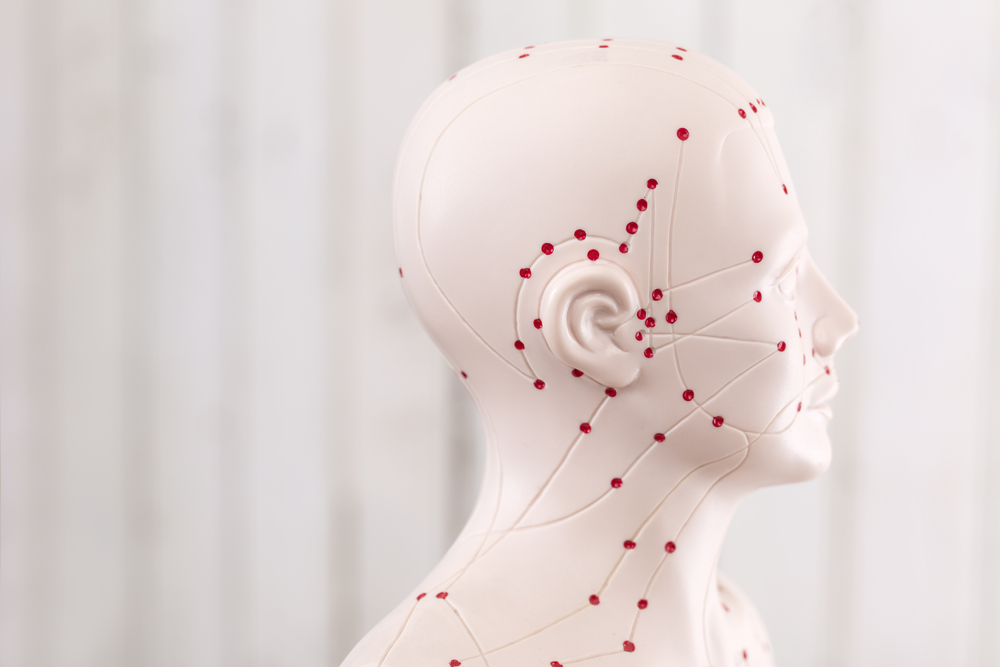
According to TCM, hair health is closely linked to the vitality of the liver, kidneys, and blood. These organs govern the nourishment and growth of hair, so any weakness or imbalance may impact its strength and density.
TCM also sees emotional stress as a contributor to hair loss. When stress disrupts the flow of Qi (energy) in your body, it may lead to stagnation, poor circulation, and weak hair growth.
TCM focuses on restoring balance throughout the body. By harmonising internal systems, TCM creates the right conditions for hair regrowth and scalp resilience.
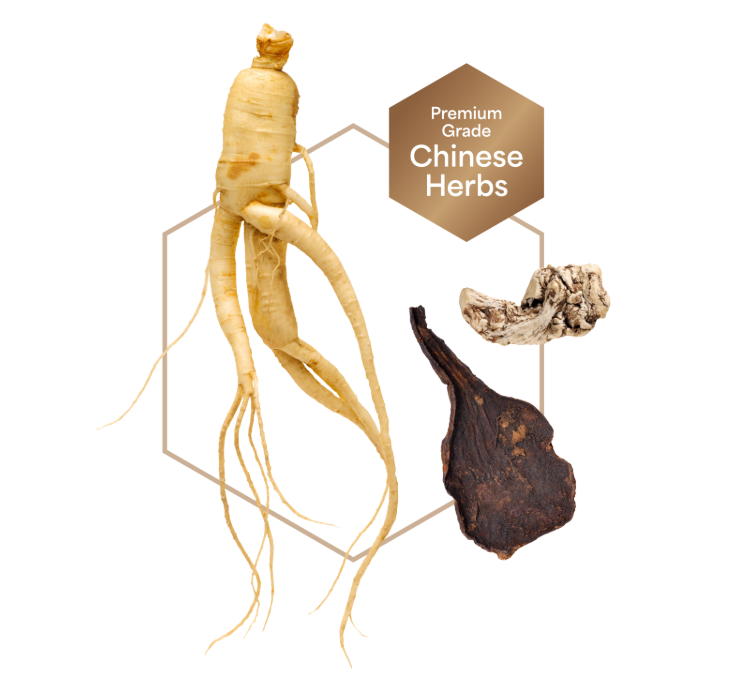
A core part of TCM hair treatment is herbal therapy. Herbs like Ginseng, Dang Gui and He Shou Wu are selected to nourish the blood, improve circulation, and fortify the follicles.
To further support hair growth, TCM incorporates complementary treatments such as meridian head massages on the scalp. These massages promote circulation, unblock meridians, and support Qi flow to the scalp, encouraging healthier scalp function and improved hair growth and density. Tailored herbal hair and scalp tonics may also be applied to strengthen the internal system and support hair regrowth.
Why Hair Care Should Start Early

Hair loss and hair thinning can be reversed when addressed early. Once hair follicles shrink significantly or become dormant, regrowth becomes much more challenging. TCM’s proactive, preventative focus makes it ideal for addressing the issue before it worsens.
Early intervention helps protect the follicle structure and maintain density. Delaying treatment increases the risk of scarring or miniaturisation, which may lead to hair loss if left unaddressed.
By investing in hair and scalp care early, young adults can create strong foundations for hair wellness. TCM encourages healthy habits such as balanced eating, emotional regulation, and scalp hygiene that promote healthy, resilient hair over time.
Visible improvement in hair thickness and reduced hair shedding can do wonders for a young person’s confidence. TCM not only addresses the cosmetic concern but also supports emotional balance and general well-being, reinforcing both inner and outer strength.
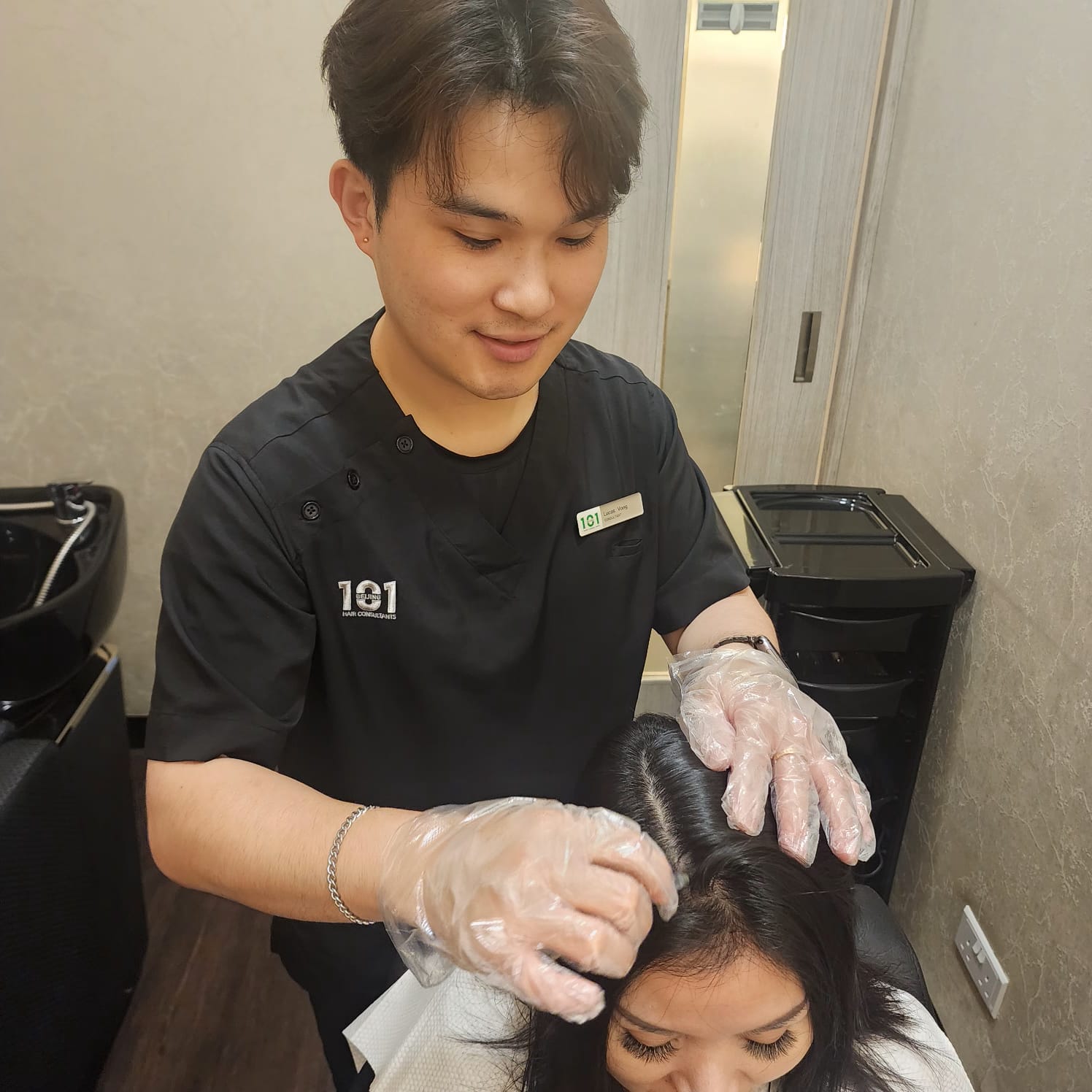
Beijing 101 starts its treatment for hair loss with an in-depth scalp analysis to identify underlying issues. This allows for a tailored treatment plan that considers your scalp condition, lifestyle, and body constitution.
The brand’s approach combines herbal hair and scalp therapy in Singapore with practical advice on stress, diet, and sleep. Their goal is not just quick fixes but providing incredible results that match your desires.
Recognising that every scalp is unique, Beijing 101 avoids one-size-fits-all solutions. Instead, we provide integrated care tailored to each individual’s specific hair and scalp conditions for more effective results.
Hair loss can be distressing, but it’s also manageable, especially when caught early. TCM hair and scalp care treatments offer a safe and non-invasive approach to restoring scalp balance and preventing hair loss.
Make an appointment with Beijing101 and take the first step to restoring your hair health. For more information on hair care and scalp concerns, please Call: 65588101 or WhatsApp: 96405730.
You’re rushing to work; the weather is already hot by 9 AM, and that familiar sticky feeling starts creeping up your scalp again. You wipe the sweat off your forehead only to notice your hair clamping together and a few white flakes on your shirt collar.
Sounds familiar? You’re not alone!
Many Singaporean men silently deal with greasy, itchy scalps, brushing them off as “just the weather”. But here’s the truth: that oily, itchy scalp might be the reason your hair is thinning. And ignoring it could make things worse over time.
It’s important to note that this type of hair loss is different from male pattern baldness. While pattern baldness may be caused by genetics and hormonal sensitivity, oily or itchy scalp hair loss may stem from inflammation, excess sebum, and clogged follicles.
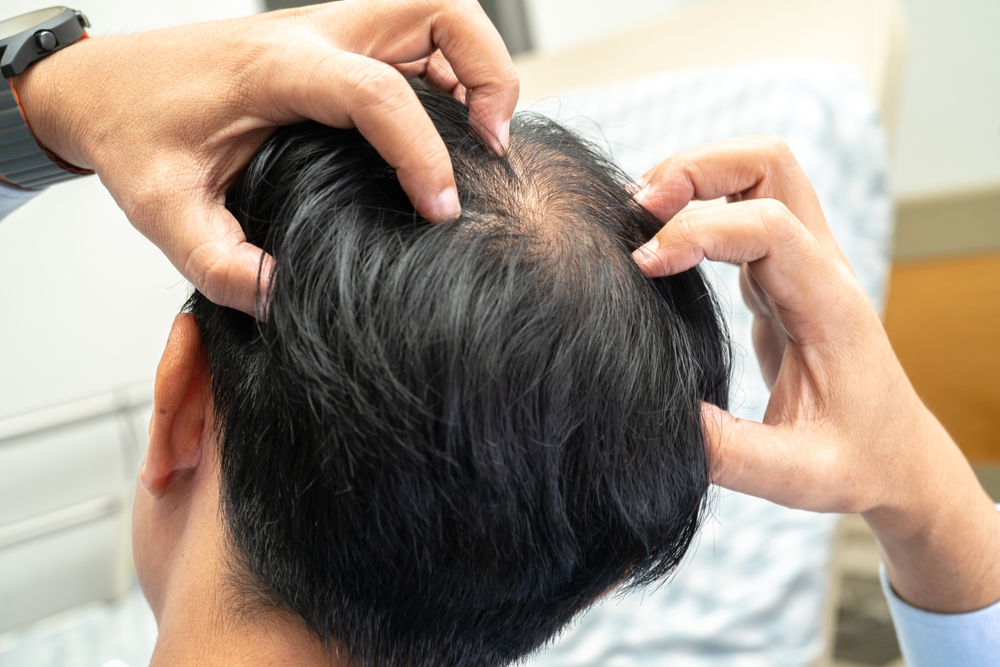
Men naturally produce more scalp oil due to higher testosterone levels. When combined with Singapore’s hot, humid climate, the result may lead to sebum buildup.
An oily, itchy scalp isn’t just an inconvenience; it’s your body signalling that something’s off. Excess oil traps dirt and dead skin, clogging your hair follicles. The itch? That may indicate inflammation is setting in, which serves as an early warning sign of potential male hair loss.
How Oily, Itchy Scalps Lead to Male Hair Loss and Hair Thinning
An oily or itchy scalp might seem harmless at first, but over time, it can affect your hair’s strength and density.
When oil and dead skin cells clog your follicles, your scalp can’t “breathe”. This suffocates hair roots, restricting oxygen and nutrient flow, which leads to weaker strands and slower growth. Over time, this buildup may become one of the most common triggers for oily scalp-related hair loss in Singapore.
Scratching might feel satisfying, but it may cause microtears that disrupt the scalp’s natural barrier. This can lead to infection and inflammation, which in turn hinders the growth of strong and healthy new hair.
When oil and impurities build up, dandruff and redness may follow. The inflammation associated with an oily, itchy scalp weakens hair follicles and accelerates shedding, which can lead to early-stage male hair loss if left untreated.

Singapore’s humid weather, fast-paced work life, and unhealthy eating habits may make men particularly vulnerable to scalp issues. Here are the daily habits and environmental factors that could be silently harming your scalp health:
High-pressure jobs and long hours increase stress hormones like cortisol, which constrict blood flow to your scalp. This weakens the follicles’ ability to absorb nutrients, eventually affecting your hair’s density and strength.
Those late-night fried or spicy suppers may be satisfying, but they also increase internal “heat” and sebum production, two main culprits behind oily scalp conditions in TCM (Traditional Chinese Medicine). An unbalanced diet may disrupt your body’s natural balance, leading to excessive oil and scalp irritation.
These habits reduce circulation, disrupt hormones, and slow your body’s natural repair process. Over time, they can contribute to both hair thinning and an itchy scalp or inflammation thatcan be difficult to reverse.
Skipping a hair wash after workouts or using harsh shampoos can leave sweat and oil residue behind. This may create a breeding ground for bacteria and dandruff, clogging hair follicles and irritating your scalp.
Your scalp gives warning signs before hair loss or hair thinning may occur, but most men overlook them. Paying attention early can make a significant difference in prevention and recovery. Look out for these symptoms:
If your hair becomes oily a few hours after a shower, your scalp’s oil glands may be overactive. This imbalance can clog hair follicles and may lead to male hair loss due to an itchy scalp.
If you find yourself scratching your head during meetings or while relaxing, it may be a sign of inflammation or buildup.
Visible flakes on your shoulders or collar are more than an aesthetic issue. Yellow flakes may indicate an oily scalp, while white powdery ones may signal dryness. Both show an imbalance that needs attention.
This is one of the earliest signs of hair loss in men. It often begins subtly and progresses quickly if scalp congestion and inflammation aren’t addressed in time.
If your receding hairline is paired with itchiness, sensitivity, or redness, it’s not just genetics; your scalp may be inflamed or clogged with excess oil requiring immediate care.
The good news? You can take simple, effective steps to reduce oiliness, soothe irritation, and prevent male hair loss. Start small, and your scalp will thank you:
Always shampoo after workouts or spending time outdoors. Sweat mixed with oil can block follicles and worsen irritation. Use gentle, pH-balanced formulas that cleanse without stripping your scalp.
Try five-minute breathing exercises or quick walks during work breaks. Lowering stress levels restores balance, improves blood flow, and supports healthy scalp function.
Your scalp reflects what you eat. Cut back on fried and spicy foods, and load up on greens, eggs, fish, and nuts. These nutrient-rich foods nourish your hair follicles and regulate sebum production.
Scratching irritates your scalp even more. Instead, seek professional help to receive customised TCM hair and scalp care treatment solutions in Beijing 101 to calm inflammation, relieve scalp discomfort, reduce hair loss and promote hair growth.
At Beijing 101, Singapore’s leading brand for Traditional Chinese Medicine (TCM) hair and scalp care treatments, every session begins with a detailed scalp scan analysis. This analysis identifies the causes of hair and scalp concerns, such as: sebum buildup, inflammation, or blocked/clogged follicles, which may cause hair loss and hair thinning.
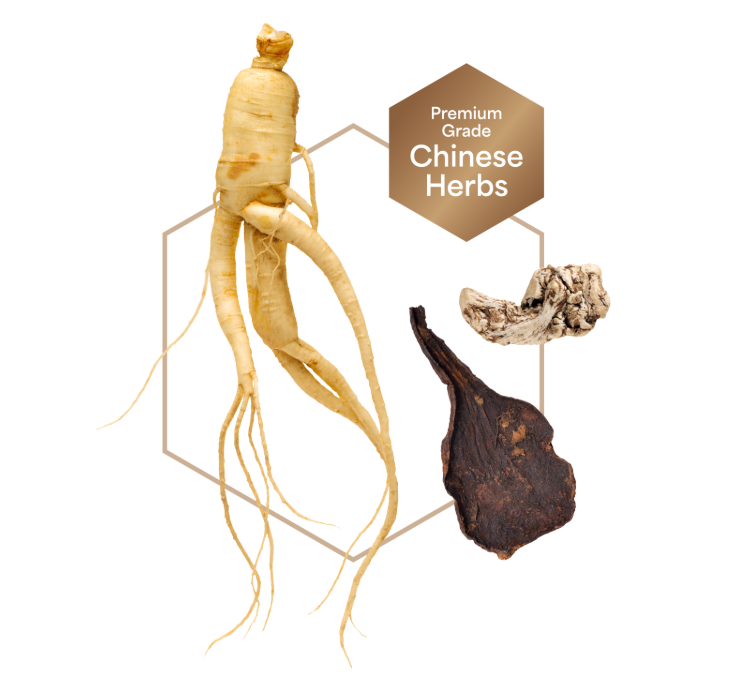
Beijing 101 signature herbal therapy uses natural ingredients like Ginseng, Dang Gui and He Shou Wu to reduce excess oil, calm itchiness, and strengthen hair roots. These formulas help to balance the scalp’s environment while nourishing hair follicles.
Each treatment doubles as a stress-relief session. Signature Meridian Head Massages improve circulation and release tension, helping to prevent male hair loss by addressing both physical and emotional triggers.
Because let’s face it, guys, caring for your scalp isn’t vanity. It’s maintenance, confidence, and self-respect.
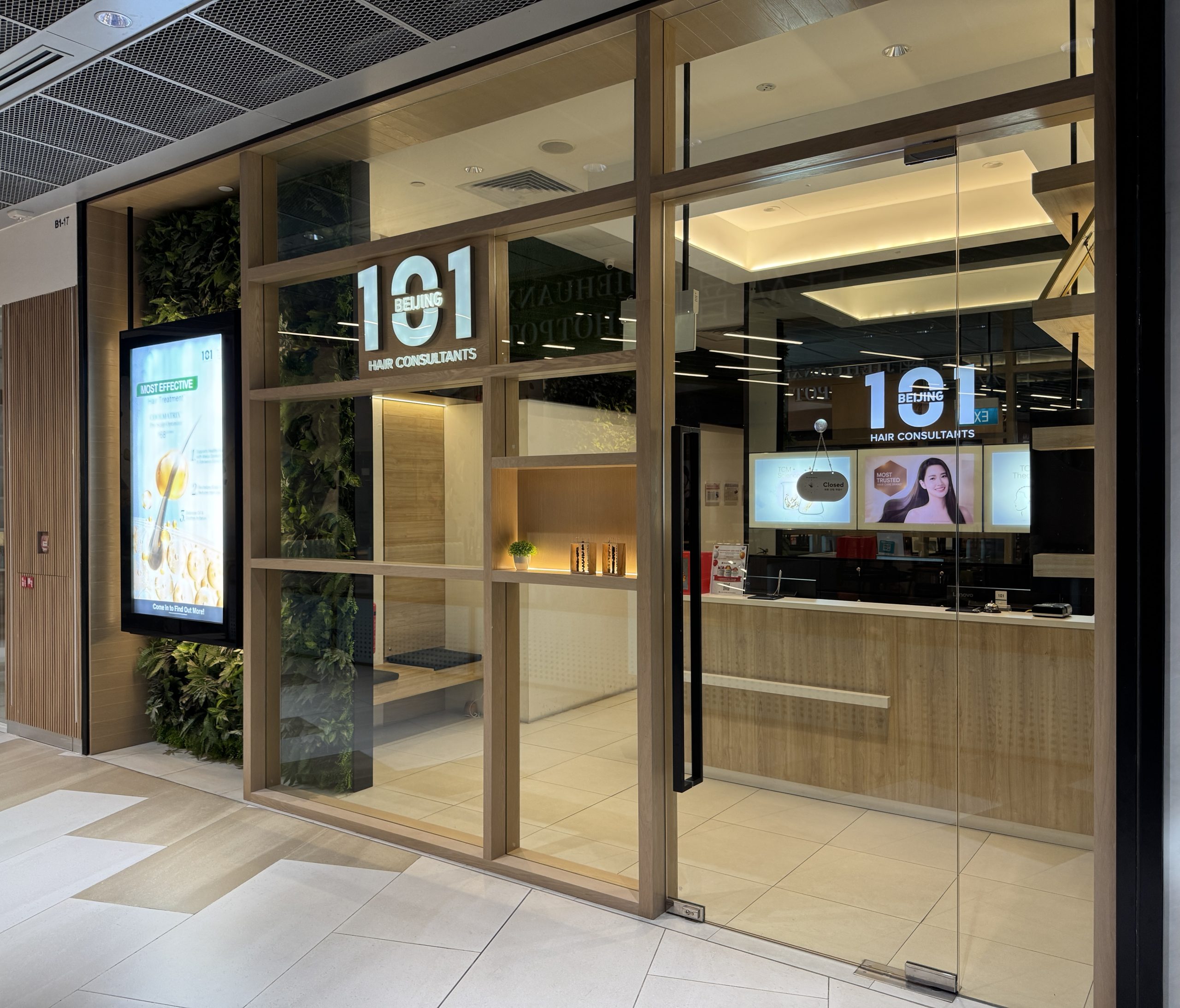
You’re not alone; oily, itchy scalps and hair loss affect many men in Singapore. But early care makes all the difference. By combining scalp hygiene, balanced lifestyle TCM hair and scalp care treatment in Singapore, you can prevent the cycle before it worsens.
Book a personalised consultation at Beijing 101 to discover how natural TCM therapies can restore balance, strengthen your roots, and bring back the confident, healthy hair you deserve.
For more information on hair care and scalp concerns, please Call: 65588101 or WhatsApp: 96405730.
When it comes to hair care, some people spend their money on many off-the-shelf products, such as: shampoos, conditioners, and lotions (which may not be suitable for them), yet forget the importance on which all hair depends: the scalp. Just like fertile soil is needed for plants to grow, a healthy scalp, which is nourished and balanced, is needed for hair to flourish. Both modern solutions and Traditional Chinese Medicine (TCM) methods agree that the scalp is vital for the strength, growth, and quality of hair.
Unfortunately, scalp issues often go unnoticed until they experience hair loss or hair thinning. Common concerns such as poor circulation, clogged hair follicles, and scalp imbalances described in TCM as “damp heat” weaken hair over time. This creates a fragile environment where hair strands become brittle, roots weaken, and hair regrowth slows down.
By understanding the true role of scalp health, it becomes clear that scalp treatments should go beyond cosmetic fixes. A deep scalp cleanse combined with TCM techniques provides both relief and resilience, supporting hair growth at its root.
Many people assume that using a quality shampoo is enough to keep their scalp clean, but dirt, excess oil, and impurities can accumulate on the scalp. Over time, this buildup disrupts hair follicle function, which can lead to: hair loss, hair thinning and/or scalp inflammation. A scalp detox works as a reset, clearing impurities and restoring balance. Here are the most telling signs that you may benefit from a detox for hair.
An excessively oily scalp or one that constantly feels itchy and flaky signals an imbalance. In TCM, this often reflects internal “dampness” or excess heat, which manifests externally as greasy buildup and irritation. Without proper care, clogged hair follicles create an unhealthy environment where hair growth can be affected.
If you notice large amount of hair strands falling out during combing or showering, it may be more than seasonal shedding. Frequent hair loss suggests weakened follicles, often due to poor circulation or insufficient nourishment. A deep scalp cleanse helps remove obstructions, excess oil, dirt and impurities, while supporting hair growth.
Sometimes, even after investing in many off-the-shelf hair care products, hair still appears dull, limp, and lacking vitality. This can be a sign that the products are not suitable for your individual hair and scalp care needs. A scalp detox can help to recondition the scalp by deep cleansing, such as: removing dirt, impurities, excess oil and dead skin cells. This treatment can help to support in healthy hair growth that encourages stronger, lustrous locks.
Singapore’s humid climate, combined with stressful lifestyles and diets high in processed foods, can affect your scalp health. Stress increases cortisol, disrupting circulation, while humidity encourages oil buildup and bacterial imbalance on the scalp. Diets lacking in nutrients can further reduce the quality of hair growth. A customised Herbal Hair & Scalp Treatment can address these hidden culprits and restores balance.
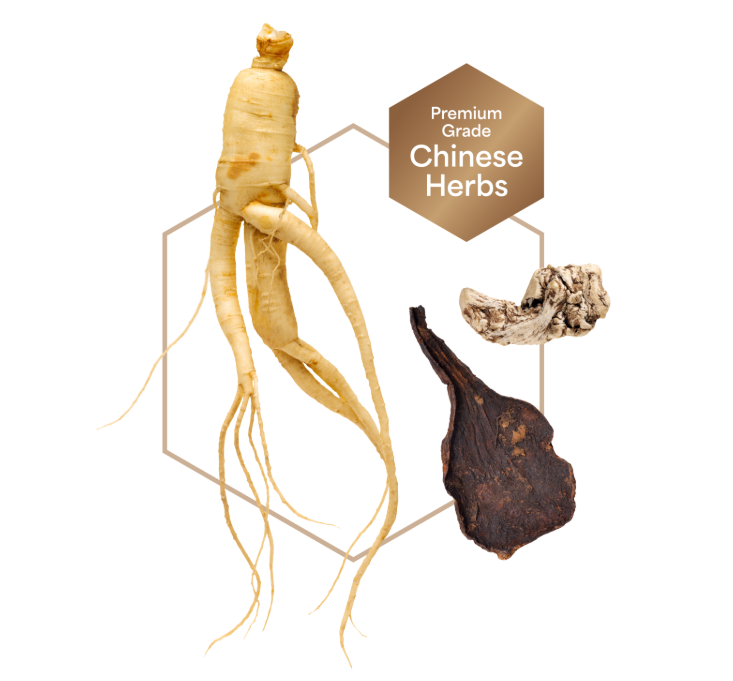
In TCM philosophy, the scalp is not treated as an isolated surface but as part of the body’s intricate meridian network. The health of the scalp is closely connected to internal organs, particularly the liver and kidneys, which are responsible for nourishing blood and Qi.
For example, weakened kidney Qi can lead to hair loss, premature greying or brittle strands, while stagnant liver Qi can cause hair thinning or stress-related hair loss. Instead of focusing solely on symptoms, TCM views these issues as signals of deeper or underlying imbalance. By combining detoxification, circulation-boosting therapy, and herbal nourishment, TCM can restore harmony and ensures the scalp environment supports hair vitality.
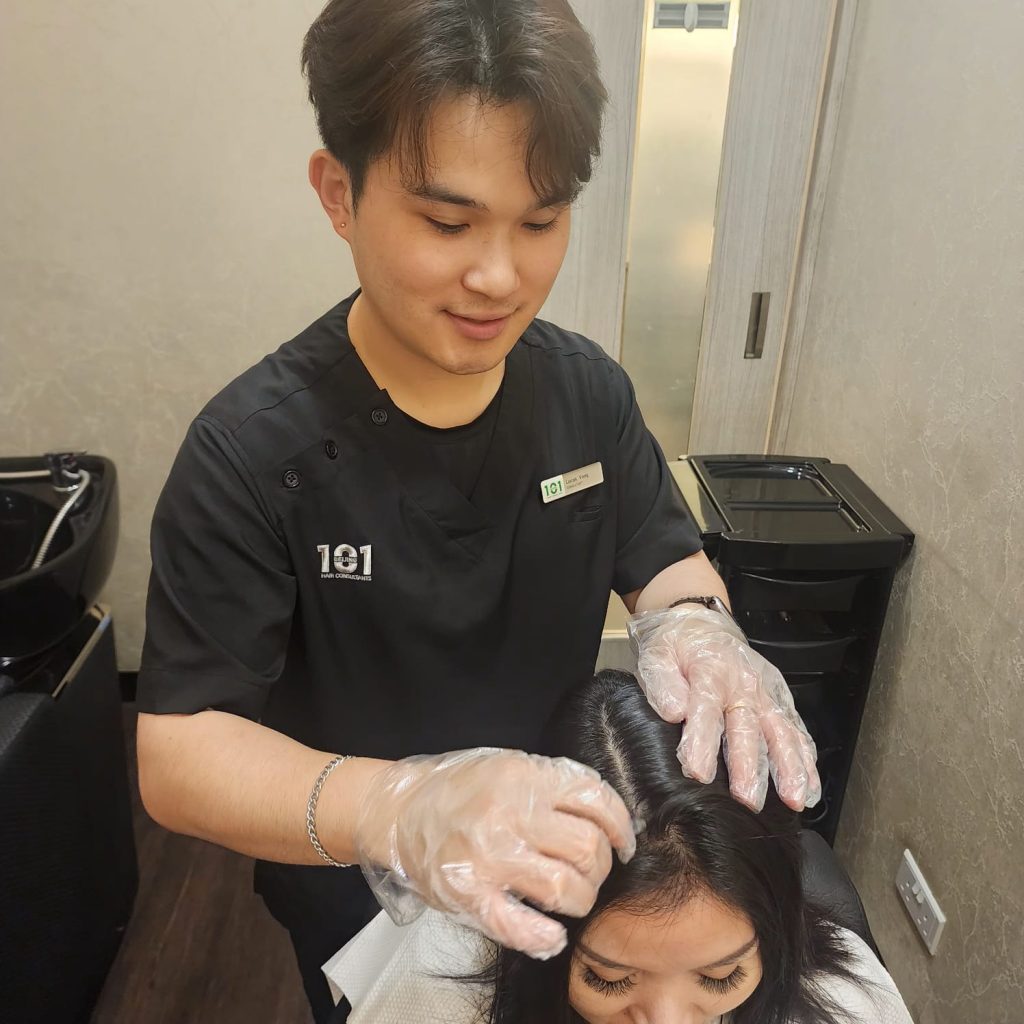
At Beijing 101, scalp detox isn’t just about cleansing the surface; it’s a holistic process that addresses the deeper root causes of scalp imbalance. Every hair and scalp treatment at Beijing 101 is carefully designed to remove toxins, boost circulation, and restore vitality using TCM methods combined with modern technology.
Acupressure massage therapy helps to activate key meridian points across the scalp in supporting circulation. This improves nutrient supply to hair follicles, helping hair to grow thicker and stronger. Beyond strengthening roots, acupressure also relieves internal “damp heat”, balancing the scalp’s condition.
Rooted in TCM traditions, the Signature Meridian Head Massage helps to ease tension, reduce stress, and improve circulation + oxygenation to the scalp. This practice supports Qi flow, ensuring the hair follicles are well-nourished. When combined with modern hair care technology, the treatment is tailored to your scalp’s unique condition, delivering incredible results.
Not all scalp detox treatments are created equal. At Beijing 101, our hair and scalp care treatments are designed to go beyond normal hair washing, with more than five decades of TCM expertise + modern technology. Here’s what makes our approach stand out.
Beijing 101 combines TCM wisdom with advanced methods, ensuring your treatment addresses both hair and scalp concerns. This holistic approach supports in encouraging healthy hair and scalp health.
Every scalp is unique. Whether oily, dry, sensitive and/or combination, Beijing 101 provides a customised plan that suits your scalp type and lifestyle needs. This ensures desirable results for female and male customers with concerns, such as: hair loss, hair thinning, dandruff, premature greying, itchy scalp
Beijing 101 uses TCM herbal-based solutions to offer amazing reults. Our herbal hair and scalp treatments are suitable for men and women, personalised to suit individual needs.
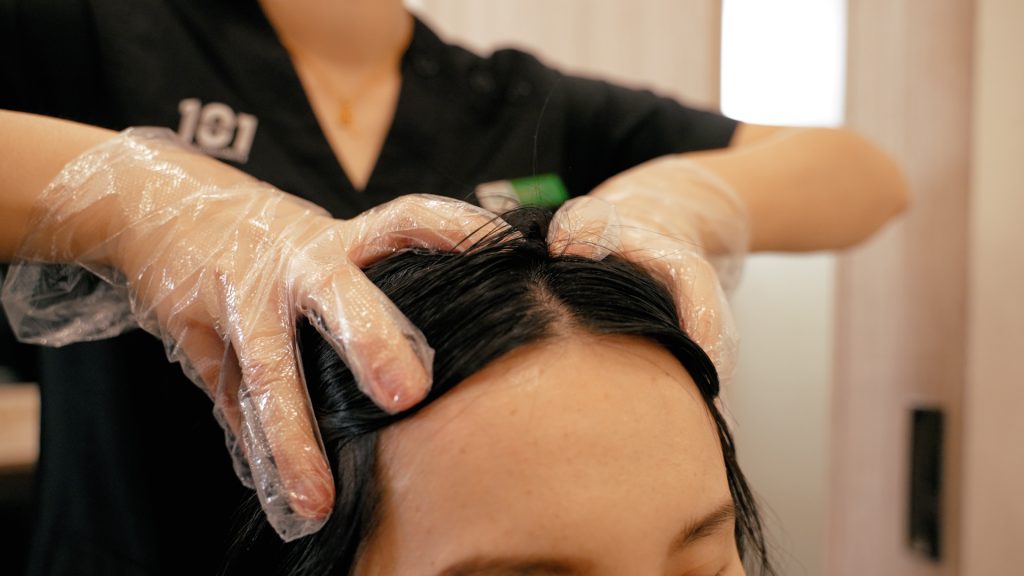
Your journey begins with one-on-one consultation and a comprehensive scalp scan analysis, where our consultants use advanced tools to discover more about the conditions of your scalp, such as: blocked scalp pores, scalp dryness, excess oil or inflammation. From these insights, a personalised hair and scalp treatment is created to match your specific needs and lifestyle.
During your session, you may experience herbal treatment solutions,, Signature Meridian Head Massage, Medi Air Jet and/or Alpha Hair Beam, depending on your hair and scalp conditions. Each step is carefully designed to detoxify, nourish, and revitalise the scalp, cleansing + removing build-up and environmental impurities. Natural therapies, such as herbal infusions and tonics are used to purify the scalp, improve absorption, and restore balance.
With regular treatments, your hair and scalp may become healthier and more vibrant, reflecting the benefits of a truly cleansed and nourished scalp.
A hair detox isn’t reserved only for those struggling with serious scalp or hair concerns. Preventive care plays an equally vital role, fortifying both scalp and hair while safeguarding against future issues. If any of the situations below sound familiar, a detox could be exactly what you need.
Early hair loss often starts subtly, with a widening parting or increased shedding. Addressing these signs early with a deep scalp cleanse can slow progression and revitalise follicles before thinning becomes advanced.
Persistent oily scalp, irritation, or sensitivity indicates an imbalance that standard shampoos cannot resolve. A detox helps rebalance the scalp environment, reducing discomfort and preventing long-term damage.

Healthy hair begins where it matters most: the scalp. A scalp detox treatment at Beijing 101 offers more than just cosmetic cleansing; it restores balance, revitalises roots, and creates the perfect environment for stronger, healthier hair.Book your consultation today and let our Hair & Scalp Care Specialists guide you through a deep scalp cleanse that targets the root causes of imbalance. By choosing a natural, proven approach, you’ll not only protect your hair but also support overall wellness. Start your journey with Beijing 101 and give your scalp the care it truly deserves.
For more information on hair care and scalp concerns, please call 65588101 or WhatsApp: 96405730.
Century Square
Address: #04-03, 2 Tampines Central 5, Singapore 529509
NEX
Address: #04-08, Serangoon Central, Singapore 769098
NorthPoint City (North Wing)
Address: #03-27, 930 Yishun Ave 2
Bedok Mall
Address: #B1-55, 311 New Upper Changi Road, Singapore 467360
Causeway Point
Address: #05-02A, 1 Woodlands Square, Singapore 738099
JEM
Address: #03-14, 50 Jurong Gateway Rd, Singapore 608549
Funan
Address: #B1-18, 107 North Bridge Road, Singapore 179105
Bedok Mall
Causeway Point
Century Square
Funan
JEM
NEX
Northpoint City North Wing