 Skip to main content

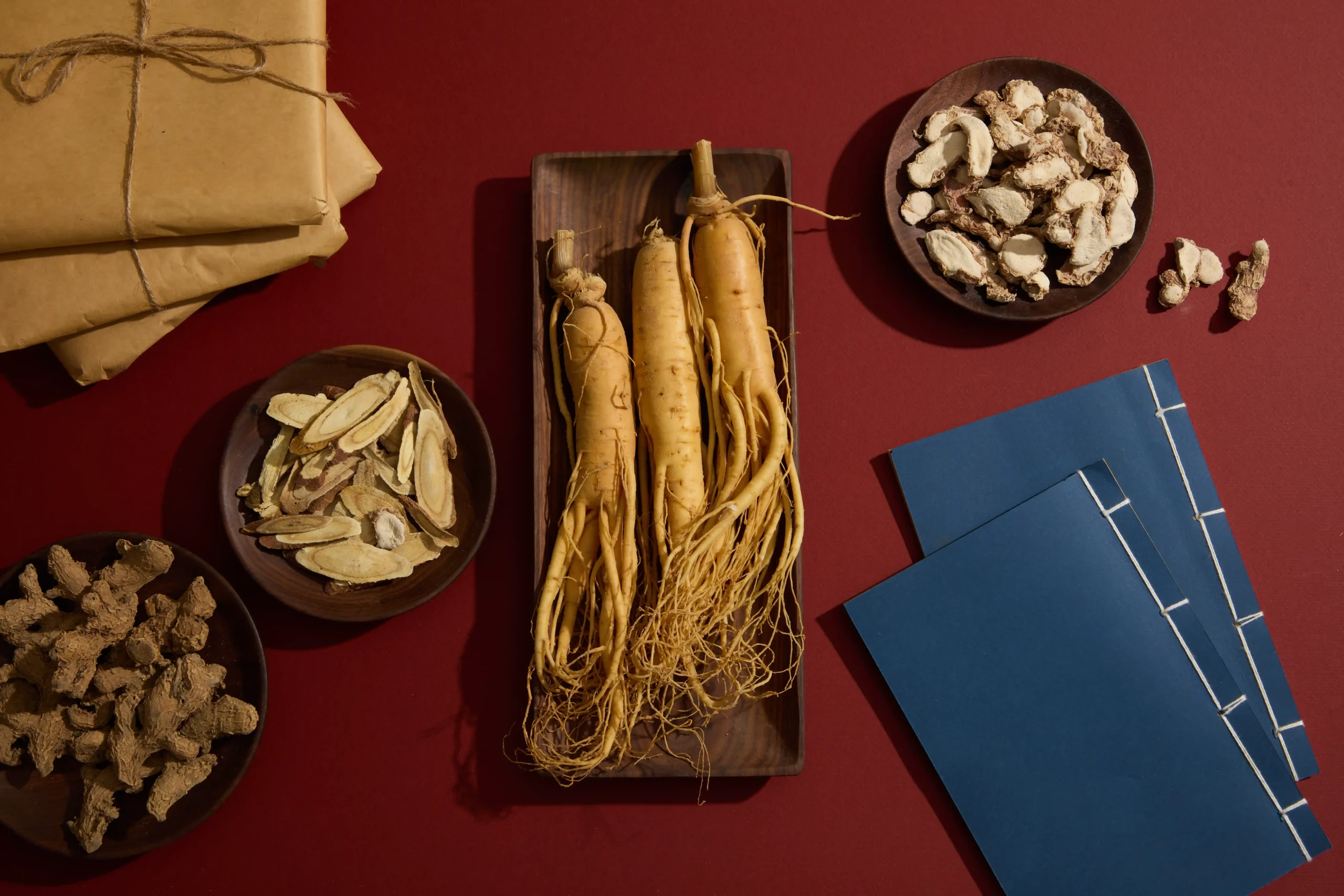
What Chinese herbs help with hair loss? TCM uses herbs such as He Shou Wu, ginseng, and goji berries, which are traditionally believed to nourish the kidney and liver meridians linked to hair strength. Our practitioners select, process, and combine these herbs into a personalised formulation, since correct preparation and dosage are essential to safe, effective results.
What Are the Reasons for Hair Loss?
Hair loss, also known as alopecia, can be caused by various factors that differ from person to person. Understanding these underlying causes is critical for developing an effective treatment plan based on individual needs. One of the most common causes is genetics, specifically male and female pattern hair loss, causing gradual hair thinning. Other hormonal imbalances caused by pregnancy, menopause, or thyroid disorders can also have a significant impact on hair health, resulting in noticeable hair loss.
Chronic stress, poor nutrition, lack of sleep, and unhealthy lifestyle habits are additional contributors to hair loss. Stress-induced hair loss, known as telogen effluvium, often occurs after a physically or emotionally taxing event, resulting in sudden and excessive shedding.
A 2025 retrospective review of 2,851 female patients in the Journal of Cosmetic Dermatology found that “ferritin was found to be low in 1123 (46.5%) of 2413 patients” [1], making ferritin and iron deficiency the most common laboratory findings linked to telogen effluvium, which reinforces why an accurate assessment of the underlying trigger matters before starting any treatment.
Some medical conditions, such as autoimmune diseases like alopecia areata, fungal infections on the scalp, and long-term illnesses, can also disrupt the hair follicles’ growth cycle, leading to thinning hair in patches or all over. Moreover, treatments like chemotherapy for cancer are known to cause substantial hair shedding, as are certain medications, including antidepressants, blood thinners, and drugs that lead to poor blood circulation.
External factors further exacerbate hair loss. Environmental pollutants, harsh weather conditions, and harmful chemicals in hair care products can weaken hair and lead to breakage. Poor scalp health, such as dandruff, fungal infections, or excessive oil production, can also hinder hair growth and contribute to hair loss. Additionally, frequent use of heat styling tools, chemical treatments, and tight hairstyles can damage hair follicles, resulting in breakage and eventual loss.
Identifying the underlying causes of hair loss is critical to effectively combating it. Treatment plans frequently include lifestyle changes such as better nutrition, stress management, adequate sleep, medical interventions, and specialised hair care routines. By addressing the specific factors that cause hair loss, individuals can support healthy hair growth and prevent further loss of hair follicles, restoring both hair health and confidence.
Why Choose Traditional Chinese Medicine (TCM) for Resolving Hair Loss?
TCM is a natural approach to stimulate hair growth, making it a popular choice for those seeking effective, long-term solutions. Here is what that approach actually involves.
A Holistic, Root-Cause Approach
TCM views hair loss as more than a surface issue. In TCM theory, it is often treated as a sign of imbalance in the body’s kidney and liver meridians, the pathways believed to carry Qi (vital energy) and blood to the scalp. The kidney meridian, or Jing, is associated in TCM with the body’s core vitality, including hair strength, while the liver meridian is thought to govern how smoothly Qi and blood circulate. Rather than treating hair loss in isolation, our consultants assess a person’s physical health, lifestyle, and emotional well-being to build a tailored treatment plan aimed at restoring this balance, not just masking symptoms.
Herbal Remedies, Professionally Prepared
TCM draws on carefully selected herbal ingredients, such as He Shou Wu (Fo-Ti), traditionally associated with strengthening the kidneys and improving blood flow to the scalp. Rather than using the raw herb as-is, our treatment-use products incorporate He Shou Wu through a controlled extraction process. Its active compounds are extracted and standardised before being combined into the final formulation. This matters because being natural does not automatically mean risk-free: He Shou Wu’s safety depends heavily on how the root is processed and dosed [2], which is why the raw herb is never something we’d recommend self-administering. By extracting and formulating it under professional oversight, we’re able to harness its traditional benefits for hair and scalp, while ensuring the safeguards that proper preparation requires.
Meridian Scalp Massage
Meridian scalp massage, a hallmark of TCM, stimulates acupressure points believed to increase Qi and blood flow to areas of the scalp associated with blood deficiency. Research into hair regeneration published in 2025 notes that acupuncture and acupressure techniques are believed to promote blood flow, reduce inflammation, and activate hair follicle stem cells, with some studies showing improved hair growth in people with alopecia areata. Beyond the physical effects, the massage itself promotes relaxation, addressing both the physical and emotional sides of hair loss in a single, non-invasive technique.
Diet and Nutrition
In TCM, diet is considered central to hair health. We recommend foods such as black sesame seeds, walnuts, and goji berries, traditionally believed to nourish blood and kidney essence, alongside nutrients like iron, zinc, and vitamins that support hair strength more broadly. Dietary adjustments are tailored to an individual’s constitution and specific deficiencies rather than applied generically to strengthen the body from within to support long-term hair health rather than offering a quick fix.
Stress, Mind, and Body
TCM treats emotional well-being as inseparable from physical health and stress as a significant contributor to hair fall. Calming practices such as meditation and Qi Gong are used to ease stress and, in TCM theory, support healthier blood flow and hormonal balance, both of which affect hair growth. A calmer mind is thought to support better circulation and nutrient absorption, making stress management a genuine part of treatment rather than an afterthought.
Is It Safe to Use TCM Hair Loss Treatment?
Yes, when performed by a trained and registered professional. As with any treatment involving herbal ingredients, safety in TCM comes from correct assessment, formulation, and dosing, not from assuming that “natural” automatically means “risk-free”.
The following factors underscore why professionally delivered TCM is considered a safe approach compared to unsupervised alternatives:
Natural Ingredients
TCM’s herbal ingredients can lower the risk of side effects compared with some chemical treatments, but only when they are correctly identified, processed, and dosed, as covered above. Carefully designed formulations, built by a qualified practitioner, nourish the scalp, improve blood circulation, and restore balance in the body. This professionally guided approach, not the herbs alone, is what makes TCM a reliable option for those looking for safe, long-term hair loss solutions.
Non-invasive Treatments
TCM techniques, such as herbal medicine and meridian scalp massage, are non-invasive, making them an excellent choice for people who prefer gentle treatment methods. Such non-invasive therapies increase blood flow to the scalp, nourish hair follicles, and stimulate hair regrowth without the need for surgical procedures or aggressive interventions, which reduces risks and discomfort.
TCM treatments effectively address hair loss by focusing on natural healing processes while prioritising patient comfort. These therapies are non-invasive hair growth methods, making them accessible to a wide range of people, including those with sensitive scalps or underlying health issues.
Personalised Care
Beijing 101 creates personalised treatment plans based on each person’s specific health conditions and needs. This tailored approach ensures that treatments are both effective and safe, addressing the unique causes of hair loss for each patient. TCM sets itself apart with its personalised approach, tailoring solutions to individual hair growth goals.
Beijing 101 provides hair care that includes factors such as lifestyle, diet, and overall well-being, in addition to hair growth. This thoughtful and targeted approach increases the likelihood of success while also promoting long-term scalp health and vitality.
Holistic Approach
TCM’s holistic approach focuses on improving overall health, which in turn supports the body’s natural ability to heal and regrow hair. By addressing underlying imbalances in the body, TCM treatments not only target hair loss but also enhance general well-being. This comprehensive perspective ensures a deeper, more sustainable solution to hair concerns.
TCM holds that practices like meridian therapy, herbal remedies, and dietary adjustments work together to support the body’s internal systems. This integrated approach is intended to stimulate hair growth, making it a trusted choice for those seeking a balanced and health-focused treatment plan.
Regulated Practice
TCM practitioners in Singapore must be registered with the Traditional Chinese Medicine Practitioners Board [3] under the Traditional Chinese Medicine Practitioners Act, and must hold a valid practising certificate. This regulation is exactly why Beijing 101 built its approach around a team of experienced, registered TCM physicians rather than treating hair loss as a purely cosmetic issue. Their expertise and healing touch sit at the cornerstone of what we do — each treatment plan is carefully personalised, drawing on TCM knowledge (including the correct use of herbs like He Shou Wu, which require careful processing and dosing) to address your specific hair and scalp concerns.
What sets Beijing 101 apart is accessibility: we offer the expertise of TCM physicians directly within our outlets. That means the same standards of registration and professional oversight you’d want from any TCM treatment, built directly into your hair care routine.
In conclusion, this combination — professionally delivered TCM, backed by registered physicians, made available within a hair care setting — offers a safe, natural, and holistic path to fuller hair and a healthier scalp.
Frequently Asked Questions
Do Chinese herbs help with hair loss?
Chinese herbs can support hair health as part of a TCM treatment plan, but they work best as one part of a broader approach rather than a standalone fix. In TCM, herbs such as He Shou Wu, ginseng, and goji berries are traditionally used to nourish the kidney and liver meridians associated with hair strength and blood circulation to the scalp. Their effectiveness and safety depend on correct identification, processing, and dosing, which is why our consultants assess each person’s condition before recommending or preparing any herbal formulation, rather than suggesting a one-size-fits-all herb or dose.
What TCM herbs promote hair growth?
Several herbs recur across TCM hair and scalp formulations, including He Shou Wu (Fo-Ti), ginseng, black sesame seeds, walnuts, and goji berries, chosen for their traditional association with nourishing kidney essence, strengthening Qi, and supporting blood flow to the scalp. Rather than using any single herb in isolation, TCM practitioners typically combine several ingredients into a formulation tailored to the individual’s constitution and the underlying cause of their hair loss. Because some of these herbs, particularly He Shou Wu, require professional processing and dosing to be used safely, we recommend having any herbal formulation prepared and monitored by a registered TCM practitioner rather than self-administering.
How long does TCM hair treatment take?
TCM hair treatment timelines vary from person to person, since they depend on the underlying cause of hair loss, its severity, and how consistently a treatment plan is followed. Hair naturally grows in cycles, and most hair loss treatments, TCM included, need several months before visible improvement becomes noticeable, as new hair has to move through its growth phase. During a personalised consultation, our consultants assess your scalp and hair condition and set realistic expectations for your specific treatment plan, rather than promising a fixed timeline that applies to everyone.
If you are dealing with hair thinning or hair loss, book a personalised hair and scalp consultation with Beijing 101 so we can identify what is actually driving your hair loss and build a treatment plan around it.
References
1. Journal of Cosmetic Dermatology, “Retrospective Review of 2851 Female Patients With Telogen Effluvium: A Single-Center Experience,” https://pmc.ncbi.nlm.nih.gov/articles/PMC11826290/
2. Frontiers in Pharmacology, “Phytochemistry, pharmacology, toxicology and detoxification of Polygonum multiflorum Thunb.: a comprehensive review,” https://www.frontiersin.org/journals/pharmacology/articles/10.3389/fphar.2024.1427019/full
3. Ministry of Health, Singapore, “Traditional Chinese Medicine Practitioners Board,” https://www.tcmpb.gov.sg/
