 Skip to main content


There is no single best hair loss treatment in Singapore, because the right choice depends on what is causing your hair loss, how far it has progressed and what fits your lifestyle. Work out the cause first, then compare options against your own goals, ideally with a doctor or dermatologist confirming the pattern.
Start With What’s Causing Your Hair Loss
Hair loss has many possible causes, and knowing the true cause is the key to getting results from treatment. [1] An option suited to one cause may do little for another.
The most common triggers fall into a few groups:
- Genetic and hormonal: in people who are genetically susceptible, normal androgen levels are enough to shrink follicles gradually, which is the pattern behind most hereditary thinning. [1],[2]
- Stress or illness: a high fever, severe infection, or period of psychological stress can push many hairs into a shedding phase at once, and this temporary shedding usually lasts three to six months. [3]
- Scalp conditions: an infection such as scalp ringworm can lead to hair loss if it is left untreated. [1]
- Life-stage and lifestyle shifts: childbirth or stopping birth control pills can trigger increased shedding [3], which is why your history matters as much as your scalp.
Sudden, patchy or rapid hair loss can signal a separately treatable condition, so consult a doctor before choosing anything; a dermatologist can examine the scalp and arrange tests where needed, for example for thyroid conditions or medication-related causes.[1] [3] If you are unsure which pattern you have, our guide to telling androgenetic alopecia from telogen effluvium explains the differences.
The Range of Hair Loss Treatment Options in Singapore
Most options fall into four categories. Each is described below in neutral terms; none is ranked above another, because suitability is personal and depends on the cause you identified above.
Topical Treatments
Topical treatments are applied to the scalp, usually as a liquid or foam, and many are available without a prescription. Minoxidil is one common ingredient. Results generally take months to appear, and use usually needs to continue to maintain them; some people notice a temporary increase in shedding during the first weeks. [4] People who prefer a self-managed routine that can start at home often consider this category. Minoxidil should be avoided during pregnancy and breastfeeding, so speak to a doctor first if either applies. [4]
Prescription Options
Prescription options are assessed and supplied by a doctor after a diagnosis. For pattern hair loss, they include oral medicines that act on the hormonal pathway involved in follicle shrinkage. [2] A healthcare professional considers your age, sex, medical history and any other medicines you take. People with a confirmed pattern diagnosis who want a medically supervised plan tend to consider this category, and suitability is a conversation to have with your doctor.
Procedural Options
Procedural options are carried out in a clinic. Hair transplantation moves hair from denser areas of the scalp to thinner ones, and it needs enough healthy donor hair to be an option, so people with sparse hair all over may not have enough to transplant. [4] Other procedures, such as platelet-rich plasma injections, are being studied, and the research is still described as preliminary. [4] People who want a one-off, in-person procedure and have a clear diagnosis often look at this category.
TCM and Advanced Technology Scalp Treatment at Beijing 101
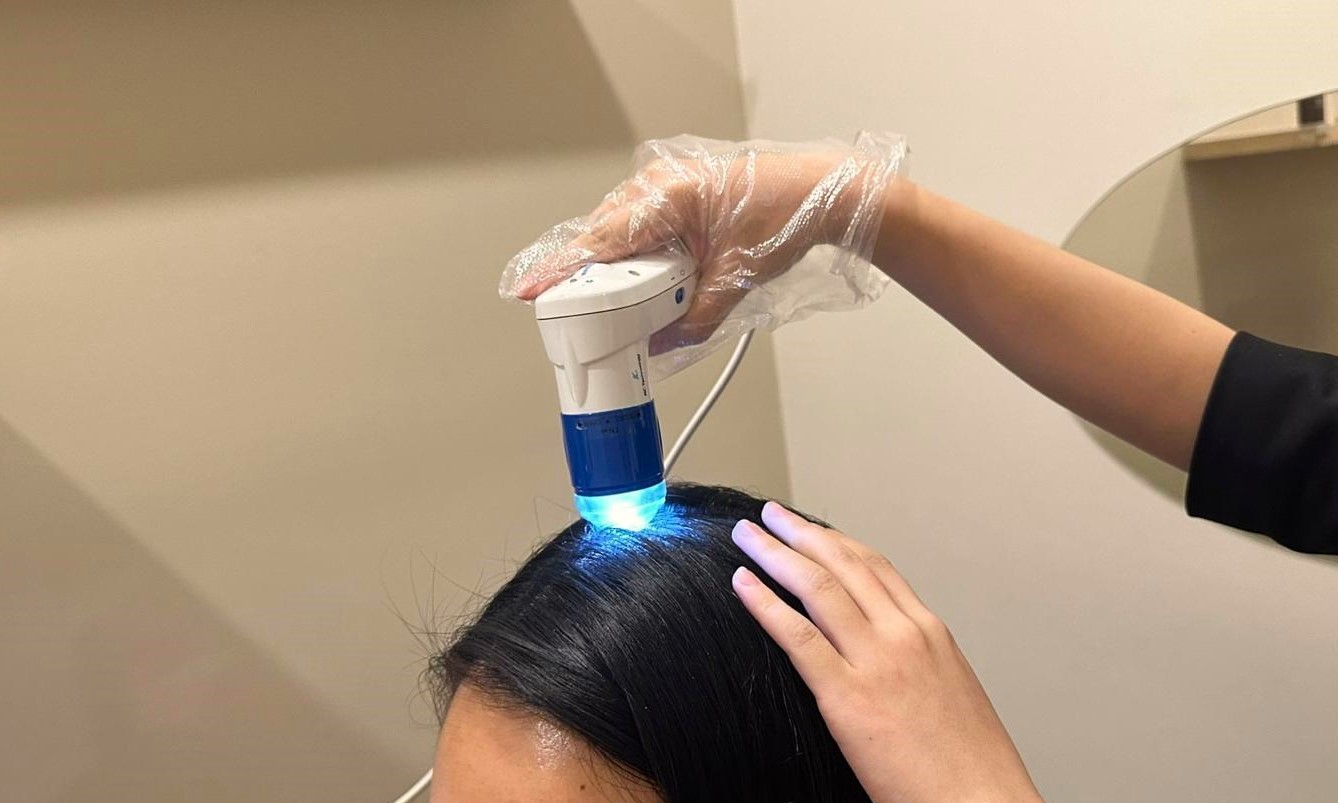
At Beijing 101, we develop personalised treatments using TCM methodology and herbology, with three premium-grade Chinese herbs at the centre of our herbal formulations: Ginseng, Dang Gui and He Shou Wu. We pair this with advanced scalp treatment technology: AI Scalp Scan Analysis assesses your scalp condition so your plan is guided by the scan, and our treatments also use technology-assisted methods, such as Thermal Frequency, Transdermal Airjet, and Hydrogen Vacuum technology, alongside scalp massage. Your consultant will ask about pregnancy, medication, and health history before recommending a plan. Results vary between individuals.
Questions to Ask Yourself Before Choosing
These four questions help turn a long list of options into a short one:
- How severe is my hair loss, and has it been confirmed by a doctor?
- Do I want a faster-acting option or a gradual, consistent routine?
- Do I prefer a holistic approach or a pharmaceutical one?
- Am I comfortable with ongoing maintenance, such as regular visits or a daily routine?
Someone who dislikes daily routines will weigh the options differently from someone who values them. Write your answers down before you book anything, whether with a dermatologist, a clinic or our consultants; they make any conversation more useful and keep the decision yours. Begin with the question about severity and diagnosis, then work through the rest once the pattern is confirmed.
Why Some People Choose a TCM-Based Approach
Some people choose our approach because it looks at the whole picture. In TCM methodology, the state of the scalp and the body’s wider balance are considered together, so two people with similar hair loss may be given different plans. It tends to suit people who want a holistic option and are comfortable with a gradual, consistent programme.
What to Expect at a Beijing 101 Consultation
Your first visit is about understanding your scalp and goals, and results vary from person to person. A good hair consultation follows three steps:
- AI Scalp Scan: our consultants examine your scalp condition and hair density.
- Discussion of goals: we ask about your history, lifestyle and what you hope to achieve.
- A personalised plan: it is presented and explained, so you understand each step before deciding.
Think about when you first noticed the change and any shifts in your routine, stress or sleep around that time so your consultant has the full picture.
Frequently Asked Questions
What Is the Best Hair Loss Treatment in Singapore?
There is no single best option, because the right treatment depends on the cause of your hair loss. Confirming that cause with a doctor if the loss is sudden or patchy is the sensible first step, because it narrows the list of options worth considering for your situation.
Is TCM Hair Treatment Effective for Hair Loss?
Effectiveness differs from person to person, and we cannot promise a specific outcome. We develop treatments using TCM methodology that aim to support scalp health, personalised to each customer. Results vary, and a consultation helps you judge what is realistic for you.
How Do I Know Which Hair Loss Treatment Is Right for Me?
Start with the likely cause, then weigh severity, your preference for a holistic or pharmaceutical route and how much maintenance you are comfortable with. A doctor can confirm a diagnosis, and a personalised scalp consultation can help you compare options against your goals. Keep notes on when the loss began, whether it was gradual or sudden, and what else changed at the time; they make the conversation faster.
How Long Does a Hair Loss Treatment Take to Show Results?
It varies by treatment and by person. Some options, such as topical treatments, generally take months to show results; for minoxidil, about six to 12 months of continuous use is needed before you can judge how well it is working. [4] Hair also grows slowly, so consistency matters more than speed. Results vary, and your consultant can explain the timeframe for your plan.
Find the Approach That Fits You
The right hair loss treatment starts with understanding your own cause.
Book a personalised hair and scalp consultation to talk through your scalp, your goals and the approach that fits you.
References
- American Academy of Dermatology, “Hair loss: Overview,” https://www.aad.org/public/diseases/hair-loss/causes/fall-out
- Endotext (NCBI Bookshelf), “Male Androgenetic Alopecia,” https://www.ncbi.nlm.nih.gov/sites/books/NBK278957/
- Cleveland Clinic, “Telogen Effluvium,” https://my.clevelandclinic.org/health/diseases/24486-telogen-effluvium
- American Academy of Dermatology, “Thinning hair and hair loss: Could it be female pattern hair loss?” https://www.aad.org/public/diseases/hair-loss/types/female-pattern
